
Connecting in 3D: What the Rise of VR Social Platforms Means for Everyday Life
12 min read
07 Jun 2026
 By Neha Jain
Virtual reality (VR) social platforms are reshaping how people connect, collaborate, and spend their time online. Instead of interacting through flat screens, users can step into immersive 3D environments where conversations feel more natural and engaging. As adoption grows, these platforms are beginning to influence everyday life—from remote work to friendships—while also raising important questions about privacy, accessibility, and digital well-being.
Rethinking Social Interaction in a Virtual World
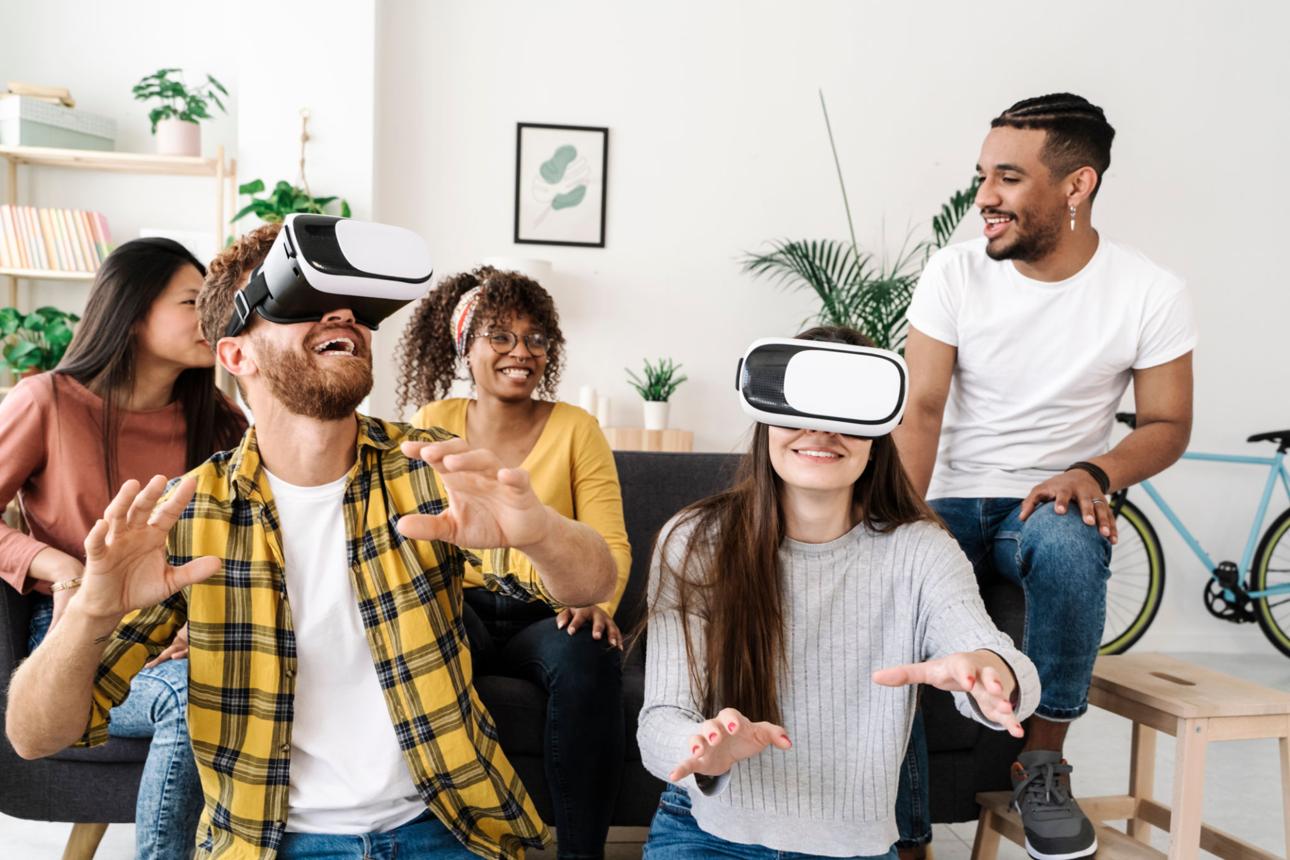
Digital communication has evolved rapidly over the past two decades, moving from emails and messaging apps to social media and video conferencing. VR introduces a new layer to this progression by creating a sense of physical presence in digital environments. Instead of watching a screen, users feel like they are inside a shared space, interacting with others in real time through avatars.
This shift changes not just how people communicate, but how they experience connection. Conversations become more dynamic, body language can be simulated, and environments can be customized to suit different contexts—from casual hangouts to professional meetings.

What Makes VR Social Platforms Different
Unlike traditional social media platforms that focus on content sharing and messaging, VR social platforms are designed around shared experiences. Users are not just exchanging information—they are participating in environments together.
Key features that define these platforms include:
- Spatial interaction, where proximity influences conversations just like in real life
- Avatar-based identity, allowing users to represent themselves digitally
- Persistent virtual spaces that continue to exist even when users log off
- Real-time collaboration tools for building, presenting, and interacting
These elements combine to create a more immersive and participatory form of communication that feels closer to being physically present with others.
Everyday Use Cases of VR Social Platforms
Although still developing, VR social platforms are already being used in several practical ways across everyday life in the United States.
Remote Work and Collaboration
As hybrid and remote work models continue to grow, companies are exploring VR as a way to improve engagement. Virtual meeting rooms allow teams to collaborate more interactively, using shared whiteboards, 3D models, and spatial audio to create a more natural workflow compared to traditional video calls.
Socializing Across Distances
VR enables people to connect with friends and family regardless of location. Whether attending a virtual concert or simply spending time together in a digital space, users can share experiences that feel more meaningful than text messages or video chats.
Education and Training
Educational institutions and training programs are adopting VR to create immersive learning environments. Students can participate in virtual classrooms, while professionals can practice real-world scenarios in controlled, simulated settings.
Entertainment and Events
VR is transforming entertainment by allowing users to actively participate rather than passively consume content. From interactive gaming worlds to virtual festivals, the line between audience and participant continues to blur.
Why VR Social Platforms Are Gaining Popularity
The appeal of VR social platforms lies in their ability to meet fundamental human needs in a digital context. People are drawn to experiences that feel authentic, engaging, and expressive.
Some of the main drivers of adoption include:
- A stronger sense of presence compared to traditional platforms
- Opportunities for creative self-expression through avatars
- Reduced social pressure for individuals who feel more comfortable in virtual settings
These factors contribute to a growing interest in immersive digital experiences, particularly among younger users and remote workers.
Challenges and Considerations
Despite their potential, VR social platforms also present several challenges that must be addressed as the technology evolves.
Accessibility remains a key issue, as high-quality VR headsets can be expensive. Although prices are gradually decreasing, widespread adoption will depend on making the technology more affordable and user-friendly.
Privacy is another major concern. VR platforms collect detailed data, including voice interactions and physical movements, raising questions about how this information is stored and used.
Additionally, digital well-being is an important consideration. Extended time in immersive environments may lead to fatigue or reduced real-world interaction, making it essential for users to maintain a healthy balance.
The Future of Work in Virtual Spaces
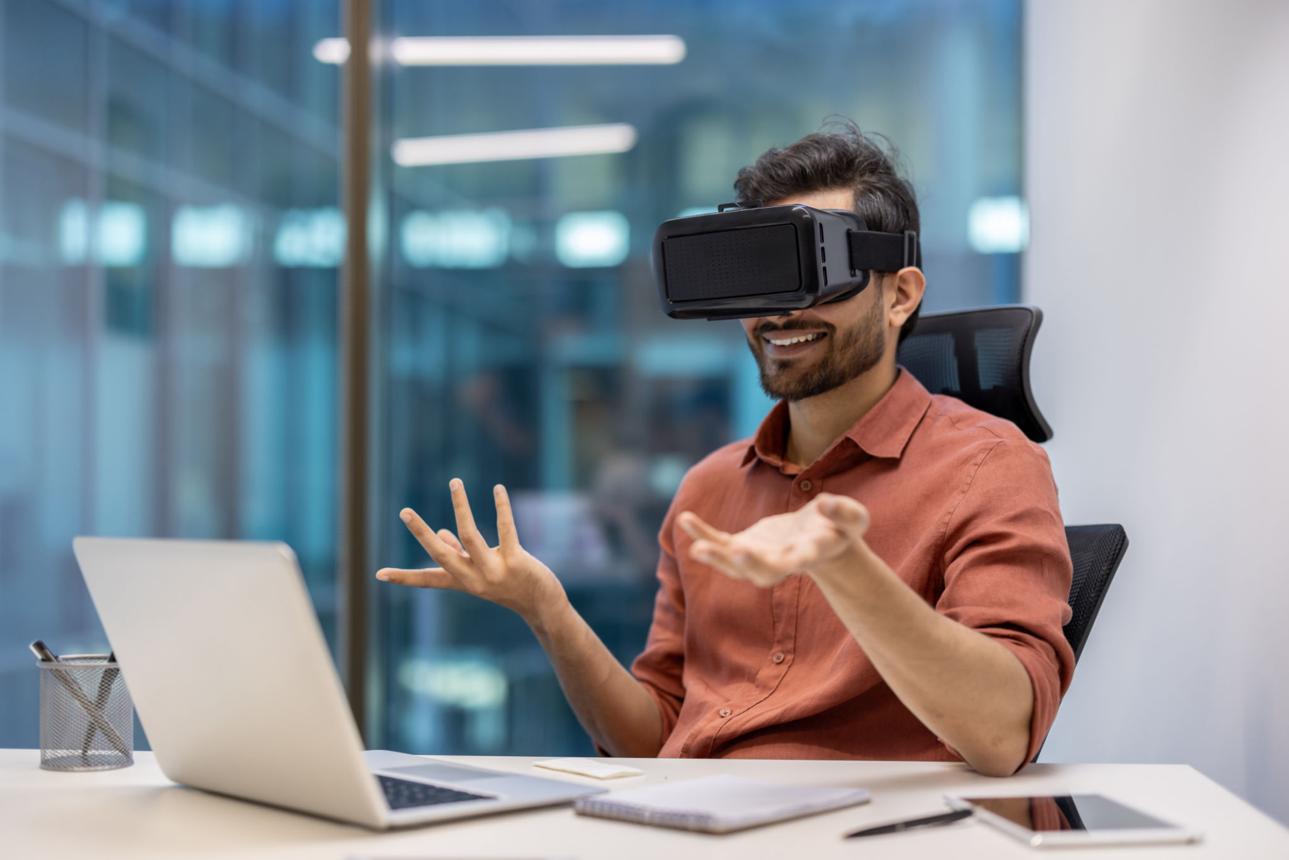
One of the most promising applications of VR social platforms is in the workplace. Companies are experimenting with virtual offices, onboarding programs, and training simulations to enhance remote collaboration.
In these environments, employees can interact more naturally, brainstorm ideas in shared spaces, and build stronger team connections. While VR is unlikely to replace traditional workplaces entirely, it is expected to play a growing role in hybrid work models.
What This Means for Everyday Life
For most people, VR social platforms will not replace existing forms of communication but will complement them. They offer new ways to connect, learn, and collaborate, especially in situations where physical presence is not possible.
Practical benefits may include attending events remotely, accessing new educational opportunities, and maintaining relationships across long distances. However, adoption will vary depending on individual preferences, lifestyle, and access to technology.
Conclusion
The rise of VR social platforms represents a meaningful shift in how people experience connection in a digital world. By moving beyond screens and into shared virtual spaces, these platforms offer a more immersive and interactive way to communicate. While challenges such as accessibility and privacy remain, the potential to enhance everyday interactions makes VR an increasingly relevant part of modern life. As technology continues to evolve, it is likely to complement—not replace—the ways people connect, work, and engage with one another.
FAQs
More Articles

Inside the Growing Shift Toward Decentralized Systems—and Why It Matters Now
11 min read | 04 Jun 2026
Can Decentralized Technology Fix the Internet’s Biggest Structural Problems?
10 min read | 03 Jun 2026
The Rise of Decentralized Platforms: What It Could Mean for Data Ownership in the U.S.
10 min read | 02 Jun 2026
From Blockchain to Web3: How Decentralized Tech Is Expanding Beyond Crypto
11 min read | 01 Jun 2026
More Articles

Inside the New Wave of AI Tools Changing How Businesses Make Decisions
10 min read | 02 Jun 2026
What Recent Advances in Machine Learning Mean for Data Privacy in 2026
8 min read | 01 Jun 2026

How AI Is Quietly Reshaping Everyday Work in the U.S. Economy
10 min read | 31 May 2026
The Role of Machine Learning in Climate Change Solutions
9 min read | 08 Jun 2026