
The Rise of Decentralized Platforms: What It Could Mean for Data Ownership in the U.S.
10 min read
02 Jun 2026
 By Sayan Gosh
Decentralized digital platforms—built on technologies such as blockchain and distributed networks—are changing conversations about data ownership in the United States. Instead of companies controlling most online data, these systems aim to give individuals greater control over how information is stored, shared, and monetized. While adoption remains early, decentralized models could reshape privacy, digital identity, and platform governance.
Why Data Ownership Has Become a Major Issue in the Digital Economy
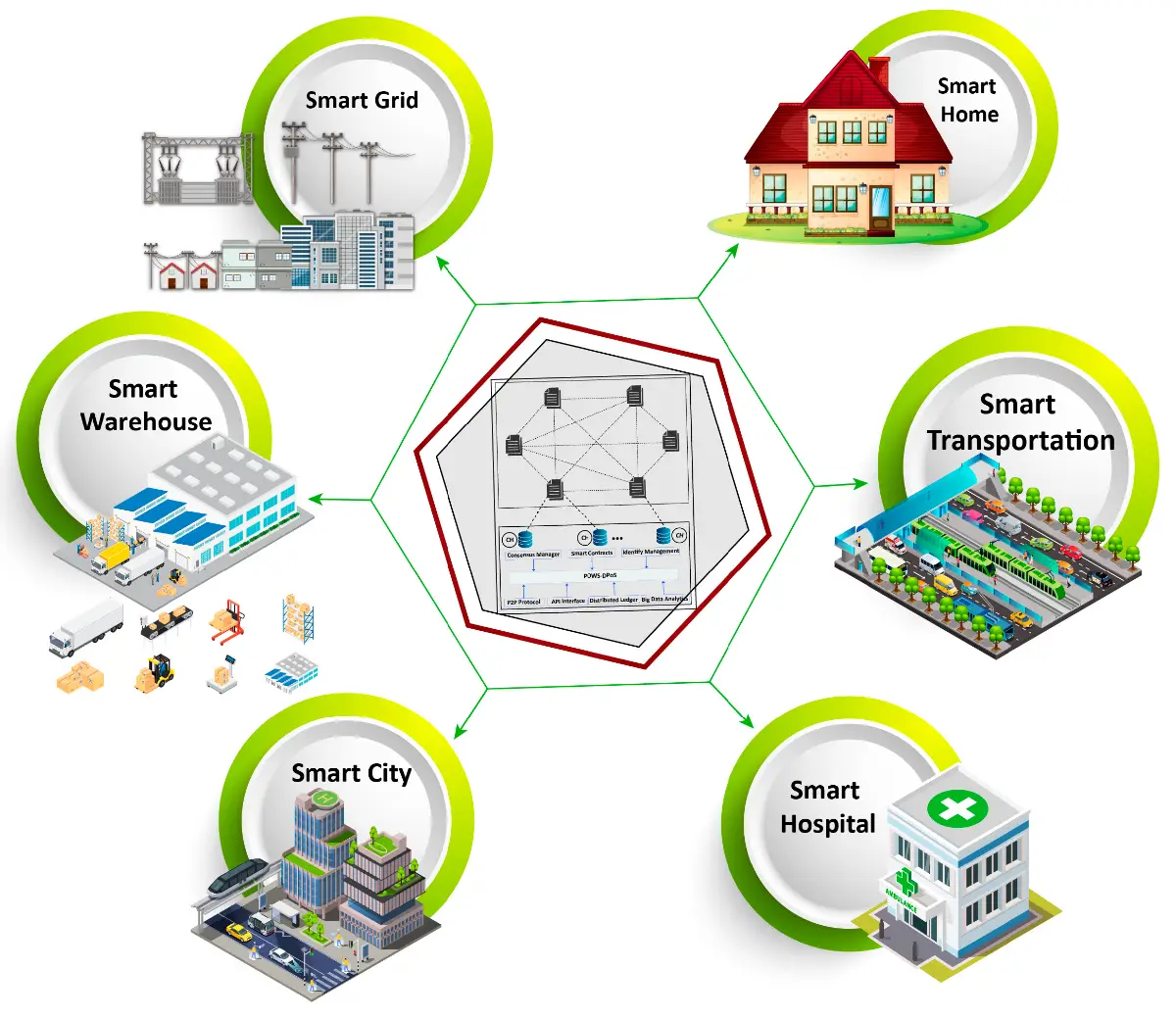
Over the past two decades, the digital economy has grown around centralized platforms. Social networks, cloud services, e-commerce marketplaces, and mobile applications collect large volumes of user information to deliver personalized services and targeted advertising.
This centralized structure has provided enormous convenience for consumers and businesses alike. However, it has also raised persistent questions about who truly owns the data generated by online activity.
Many Americans interact with dozens of digital platforms every day—from productivity tools and messaging apps to streaming services and online marketplaces. Each interaction generates data such as browsing behavior, purchase history, location information, and personal preferences.
Research from the Pew Research Center indicates that a large majority of Americans believe they have limited control over the information companies collect about them. This growing concern has encouraged interest in alternative digital models that emphasize transparency, accountability, and user control.
One concept receiving increasing attention in both technology and policy discussions is the rise of decentralized platforms.
What Are Decentralized Platforms?
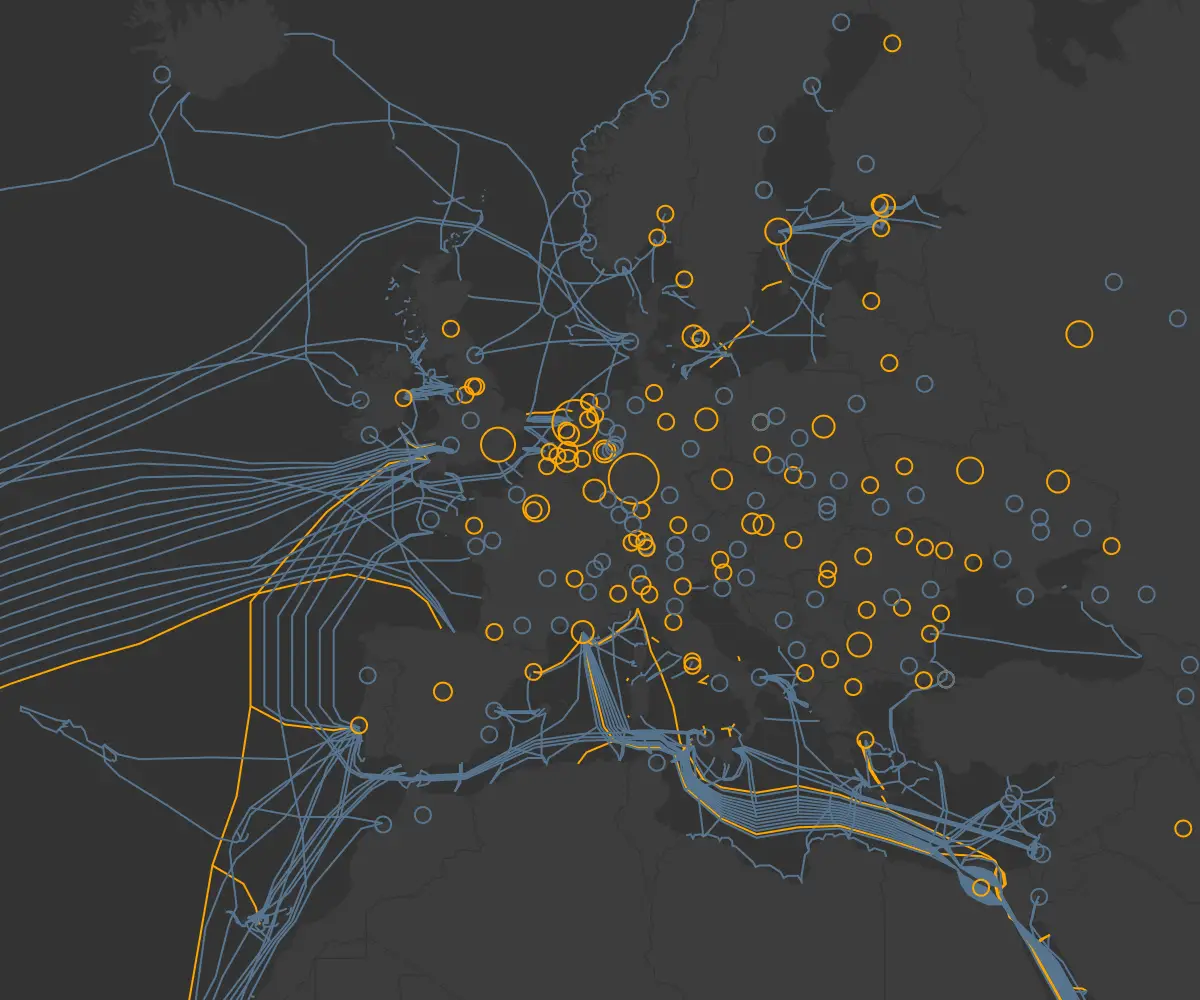
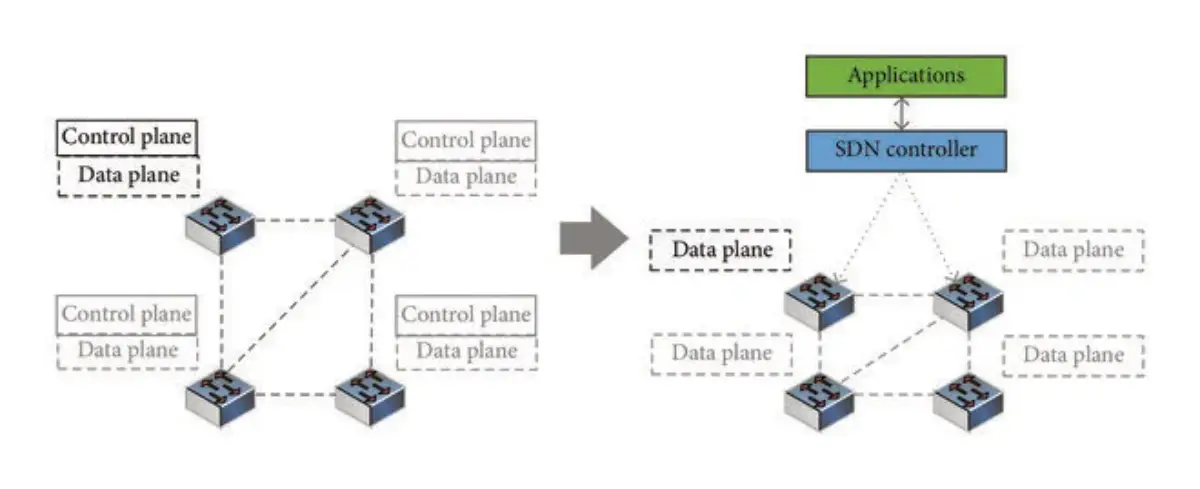
Decentralized platforms are digital systems designed to operate without a single controlling authority. Instead of relying on centralized servers owned by one company, these systems distribute data and decision-making across multiple nodes in a network.
Many decentralized applications rely on blockchain technology or other distributed ledger systems, although decentralization can also exist through peer-to-peer architectures or federated networks.
In practical terms, decentralization shifts some responsibilities away from platform operators and toward network participants.
Common characteristics of decentralized platforms include:
Distributed data storage instead of centralized databases User-controlled digital identities Transparent governance rules built into software protocols Incentive systems that reward network participants
The objective is not necessarily to eliminate companies entirely, but to reduce the concentration of control over data and platform governance.
Why Decentralization Is Entering the U.S. Technology Conversation
Several developments have contributed to growing interest in decentralized technology across the United States.
First, high-profile data breaches have highlighted vulnerabilities in centralized data storage systems. Incidents affecting millions of users have reinforced concerns about how personal information is stored and protected.
Second, ongoing debates around content moderation and platform governance have prompted questions about how much influence a small number of technology companies should have over digital communication.
Third, advances in blockchain infrastructure have made it technically feasible to build large-scale decentralized applications capable of supporting consumer services.
While decentralized platforms remain smaller than traditional technology companies, venture capital investment in blockchain and Web3 infrastructure has grown significantly in recent years.
According to data from PitchBook, billions of dollars have been invested globally in blockchain-related startups, many of which are developing decentralized applications and identity solutions.
How Decentralized Platforms Could Change Data Ownership
One of the most important implications of decentralized technology is the potential shift in how data ownership functions online.
Today, when users upload content or interact with digital services, the resulting data is typically stored and controlled by the platform operator. Even when users retain certain rights, companies usually maintain authority over storage, access, and monetization.
Decentralized platforms attempt to change this relationship.
User-Controlled Digital Identity
Instead of creating accounts tied to individual platforms, decentralized systems often rely on self-sovereign identity frameworks.
In these systems:
Individuals hold cryptographic credentials representing their identity Users choose which platforms can access specific personal information Sensitive data can remain stored in user-controlled wallets or encrypted storage networks
This approach could allow Americans to move between digital services without repeatedly creating new accounts or sharing unnecessary personal data.
Personal Data Portability
Data portability has become an important topic in technology policy discussions.
Decentralized systems could make portability more practical by allowing users to store personal information independently from any single platform.
Examples include:
A user’s social media content stored in a personal data vault Applications requesting temporary access to specific information The ability to move between platforms without losing digital history
This could reduce the “lock-in” effect that often keeps users tied to large digital platforms.

Potential for Data Monetization
Some decentralized platforms also experiment with economic models that allow individuals to benefit directly from the data they generate.
Instead of companies monetizing user data primarily through advertising, decentralized ecosystems may allow users to determine how their data is shared.
Examples being explored include:
Data marketplaces where users share anonymized information Token rewards for contributing information to research networks Compensation systems for creators distributing content across decentralized social platforms
These experiments remain early, but they demonstrate how alternative digital economies could function.
Real-World Examples of Decentralized Platforms
Although decentralized infrastructure may sound theoretical, several real-world projects are testing these ideas.
Decentralized social networks are one of the most visible examples. Platforms built on federated or blockchain-based architectures aim to give communities more control over moderation policies and user data.
Users may join independent servers that interact with a larger network, allowing communities to establish their own governance rules.
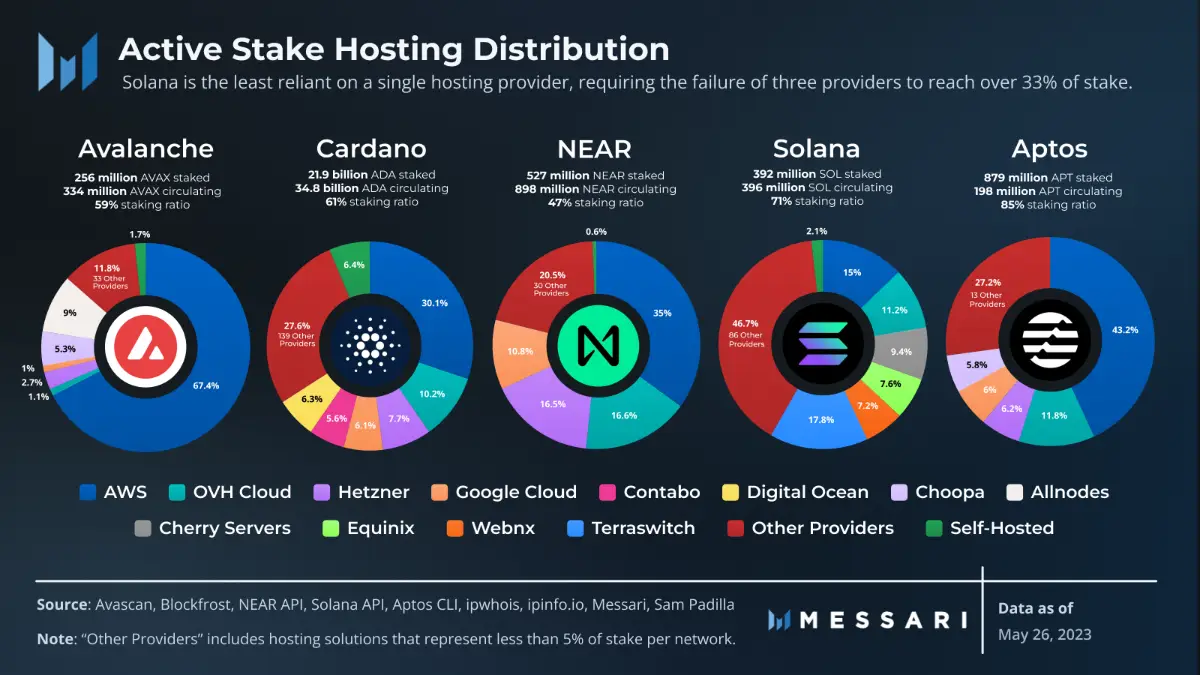
Decentralized storage networks are another growing category. Instead of storing files on centralized cloud servers, these platforms distribute encrypted data across many independent nodes.
Potential benefits include:
Greater resilience against outages Reduced dependence on major cloud providers Improved transparency about how data is stored
Additionally, decentralized finance platforms demonstrate how distributed systems can operate complex digital services without centralized intermediaries.
While DeFi focuses primarily on financial services, the same principles may eventually apply to identity management, collaboration tools, and digital content platforms.
Challenges Facing Decentralized Data Systems
Despite their potential advantages, decentralized platforms face several challenges before becoming mainstream.
Technical Complexity
Many decentralized systems require users to manage cryptographic keys, digital wallets, or specialized software. For everyday consumers, these requirements can create barriers to adoption.
Improving usability will be critical for widespread acceptance.
Regulatory Uncertainty
U.S. regulators are still determining how decentralized technologies should fit within existing legal frameworks.
Questions remain about:
Liability for illegal content hosted on decentralized networks Consumer protection in decentralized financial applications Compliance with privacy laws and digital identity regulations
Scalability and Performance
Centralized systems benefit from optimized infrastructure and large data centers. Decentralized networks must coordinate activity across many distributed nodes, which can affect performance.
Developers continue working on solutions that allow decentralized systems to support millions of users efficiently.
Frequently Asked Questions
What is a decentralized platform? A decentralized platform distributes data storage and governance across a network rather than relying on a single controlling organization.
How does decentralization affect data ownership? Decentralized systems may allow individuals to store and manage their own data, granting services permission to access it when needed.
Are decentralized platforms always based on blockchain? Many are, but some decentralized systems operate through peer-to-peer networks or federated architectures.
Can decentralization improve privacy? Potentially. By allowing users to control how their information is shared, decentralized systems may strengthen privacy protections.
Are decentralized platforms widely used in the U.S.? Adoption is still early compared with traditional platforms, but developer and investor interest is increasing.
What is self-sovereign identity? Self-sovereign identity allows individuals to manage their digital credentials without relying entirely on centralized identity providers.
Can users earn money from their data? Some decentralized applications experiment with data marketplaces or token rewards, though these systems are still developing.
Are decentralized platforms regulated in the U.S.? Regulation varies depending on the platform’s activities, particularly in areas involving financial services.
Will decentralized systems replace major technology companies? Most analysts expect decentralized platforms to coexist with centralized services rather than fully replace them.
A Turning Point in the Conversation About Digital Ownership
The rise of decentralized platforms reflects a broader shift in how people think about the structure of the internet.
Centralized platforms have delivered efficiency, scale, and innovation for many years. However, growing awareness of privacy concerns, data governance issues, and platform concentration has encouraged interest in alternative digital architectures.
Decentralized technologies offer one potential path toward distributing control over digital identity and personal data.
Whether these systems become mainstream will depend on improvements in usability, regulatory clarity, and public trust. What is already clear is that conversations about digital ownership are becoming increasingly central to the future of the internet.
Signals to Watch as Decentralized Platforms Mature
Growth of self-sovereign identity systems and digital wallets Expansion of decentralized storage and computing networks Increased policy discussion about data portability and digital ownership Experiments with user-controlled data marketplaces Collaboration between decentralized infrastructure and traditional technology platforms
FAQs
More Articles

AI and Blockchain: The Potential for Secure and Transparent Systems
6 min read | 10 May 2026

AI in Smart Cities: Improving Urban Living with Intelligent Systems
5 min read | 09 May 2026

The Role of AI in Enhancing Accessibility for People with Disabilities
5 min read | 08 May 2026

AI in Human Resources: Streamlining Recruitment and Employee Management
7 min read | 07 May 2026
More Articles

5G Revolution: How Ultra-Fast Networks Are Changing Everything
3 min read | 07 Dec 2025

Eco-Friendly Gadgets: Innovations for a Greener Tech Lifestyle
3 min read | 06 Dec 2025

Solar-Powered Gadgets: Harnessing the Sun's Energy for Everyday Use
3 min read | 05 Dec 2025

Quantum Key Distribution: Unhackable Gadgets for the Privacy-Conscious
5 min read | 04 Dec 2025