
Inside the Growing Shift Toward Decentralized Systems—and Why It Matters Now
11 min read
04 Jun 2026
 By Sayan Gosh
Decentralized systems are reshaping how digital networks, finance, data management, and online communities operate. Instead of relying on single authorities, these systems distribute control across participants, improving transparency, resilience, and security. From blockchain finance to decentralized data storage and governance models, the shift toward distributed infrastructure is accelerating—raising important questions about trust, efficiency, and the future structure of digital services.
Understanding the Concept of Decentralization

For most of the internet’s history, digital systems have been largely centralized. A small number of organizations manage servers, databases, and decision-making processes. Social media platforms control user content, financial institutions manage transactions, and cloud providers host the majority of digital infrastructure.
Decentralized systems challenge this model by distributing control across networks of participants rather than concentrating authority in one organization. Instead of a central server or administrator, decentralized networks operate through shared protocols that allow independent participants to validate and maintain the system.
This structure can provide several advantages:
Greater resilience because no single failure can disable the entire system Improved transparency through publicly verifiable records Reduced reliance on intermediaries Enhanced data ownership for individuals
The concept itself is not entirely new. The internet’s original architecture was designed with decentralized principles in mind, enabling information to flow across distributed networks rather than through a single hub. What is changing today is the scale and sophistication of decentralized technologies.
Why Interest in Decentralized Systems Is Growing
In recent years, several developments have accelerated interest in decentralized infrastructure across industries.
One factor is the rapid expansion of digital services. As more aspects of life move online—from banking to communication—questions about who controls data and digital assets have become more significant.
Concerns about privacy, cybersecurity, and platform governance have also contributed to the conversation. When centralized systems experience outages, data breaches, or policy controversies, they highlight the risks of relying on a single authority.
At the same time, advances in cryptography and distributed computing have made it possible to coordinate large decentralized networks securely.

According to research from Gartner, distributed ledger technologies and decentralized identity systems are expected to play an increasing role in enterprise infrastructure over the next decade. Organizations are exploring how decentralized models might improve transparency, reduce operational risks, and enable new digital services.
Blockchain: A Key Driver of Decentralized Infrastructure
One of the most widely discussed examples of decentralized systems is blockchain technology. Originally introduced as the underlying infrastructure for digital currencies, blockchain has evolved into a broader platform for distributed applications.
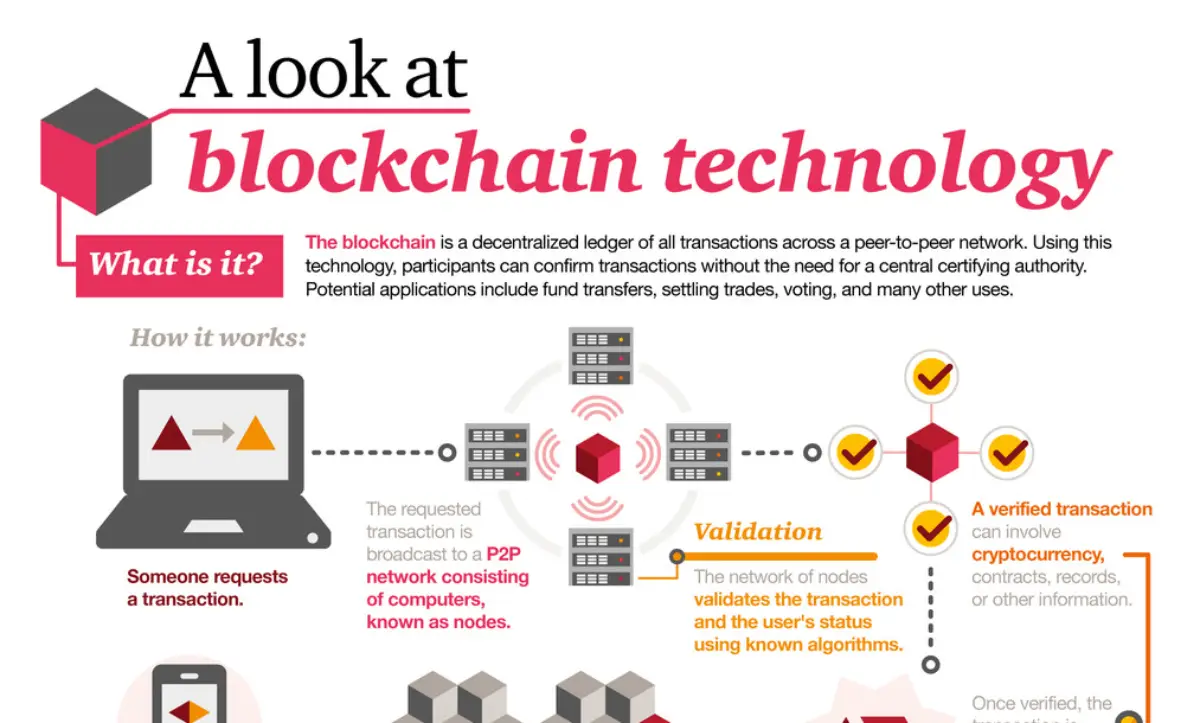
A blockchain functions as a shared ledger maintained by a network of computers. Instead of storing records on a central server, transactions are verified and recorded collectively by participants in the network.
This approach creates a system where records are difficult to alter without consensus from the network.
Common blockchain applications include:
Digital currencies and payment systems Smart contracts that automatically execute agreements Supply chain tracking and verification Decentralized finance platforms Digital identity systems
While blockchain technology is still evolving, many organizations are experimenting with its potential uses in areas such as cross-border payments, document verification, and secure record management.
Decentralized Finance and the Changing Landscape of Banking
One of the most visible areas of decentralization is the emergence of decentralized finance, often referred to as DeFi.
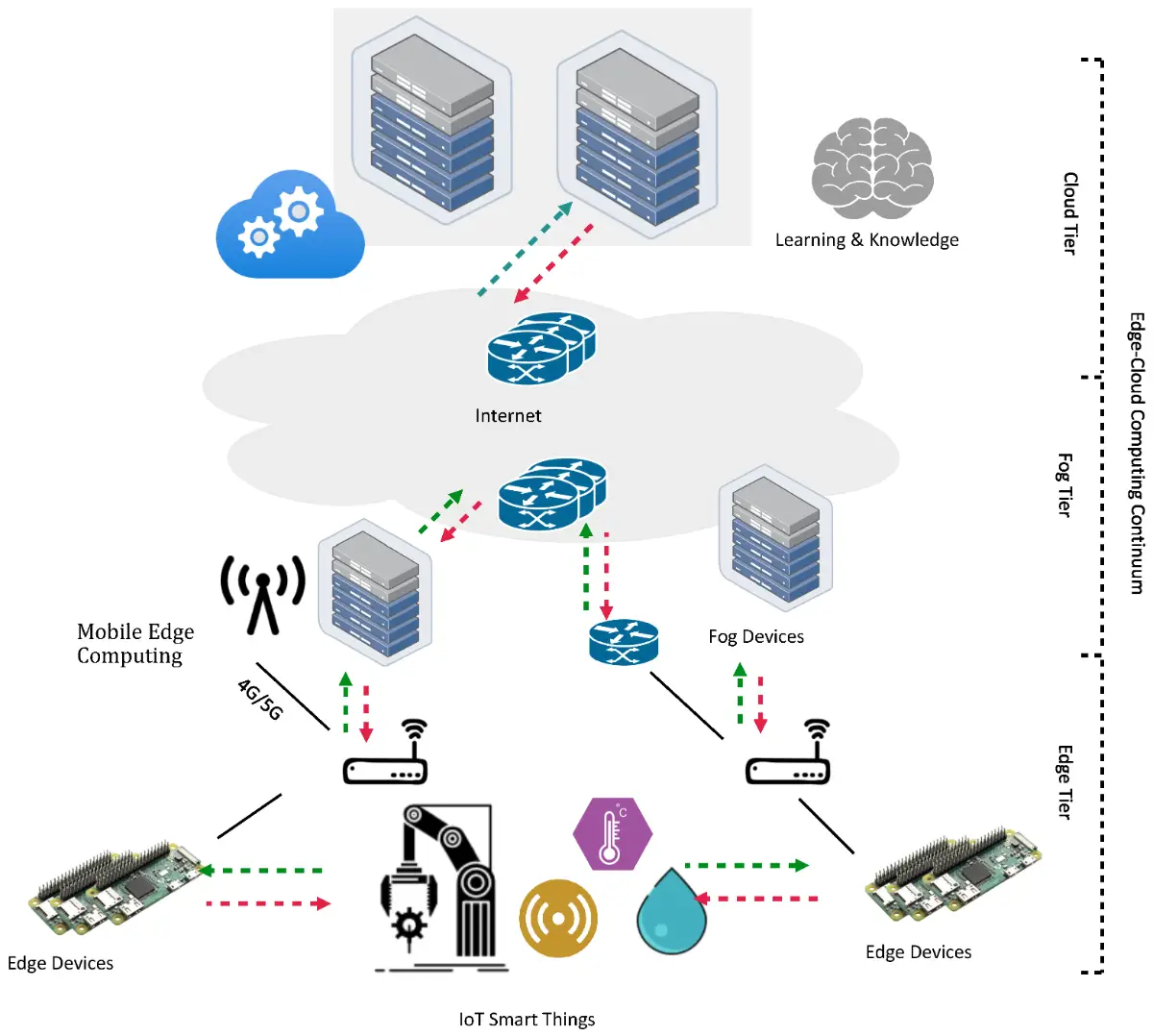
Traditional financial services depend heavily on intermediaries such as banks, clearinghouses, and payment processors. Decentralized finance platforms attempt to replicate many of these services using blockchain-based protocols instead.
Through decentralized networks, users can access financial services such as:
Lending and borrowing Digital asset exchanges Payment transfers Asset management tools
In these systems, transactions are governed by code rather than centralized institutions. Smart contracts automatically execute agreements based on predefined rules.
According to data from analytics firm Chainalysis, billions of dollars move through decentralized finance platforms each year. While the sector remains experimental and carries risks, it illustrates how decentralized infrastructure could expand access to financial services and reduce reliance on intermediaries.
Beyond Finance: Decentralization in Data and Infrastructure
Although cryptocurrency and DeFi often dominate headlines, decentralization extends far beyond financial systems.
Technology companies and researchers are exploring decentralized approaches to data storage, identity verification, and online governance.
Decentralized data storage networks distribute encrypted data across multiple nodes around the world, creating redundancy and improving resilience.
Decentralized identity systems allow individuals to store and control their digital credentials rather than relying on centralized databases.
Community governance models are also emerging, where network participants can vote on decisions affecting decentralized platforms.
Real-World Applications Emerging Today
Decentralized technologies are gradually moving from experimental projects to real-world implementations.
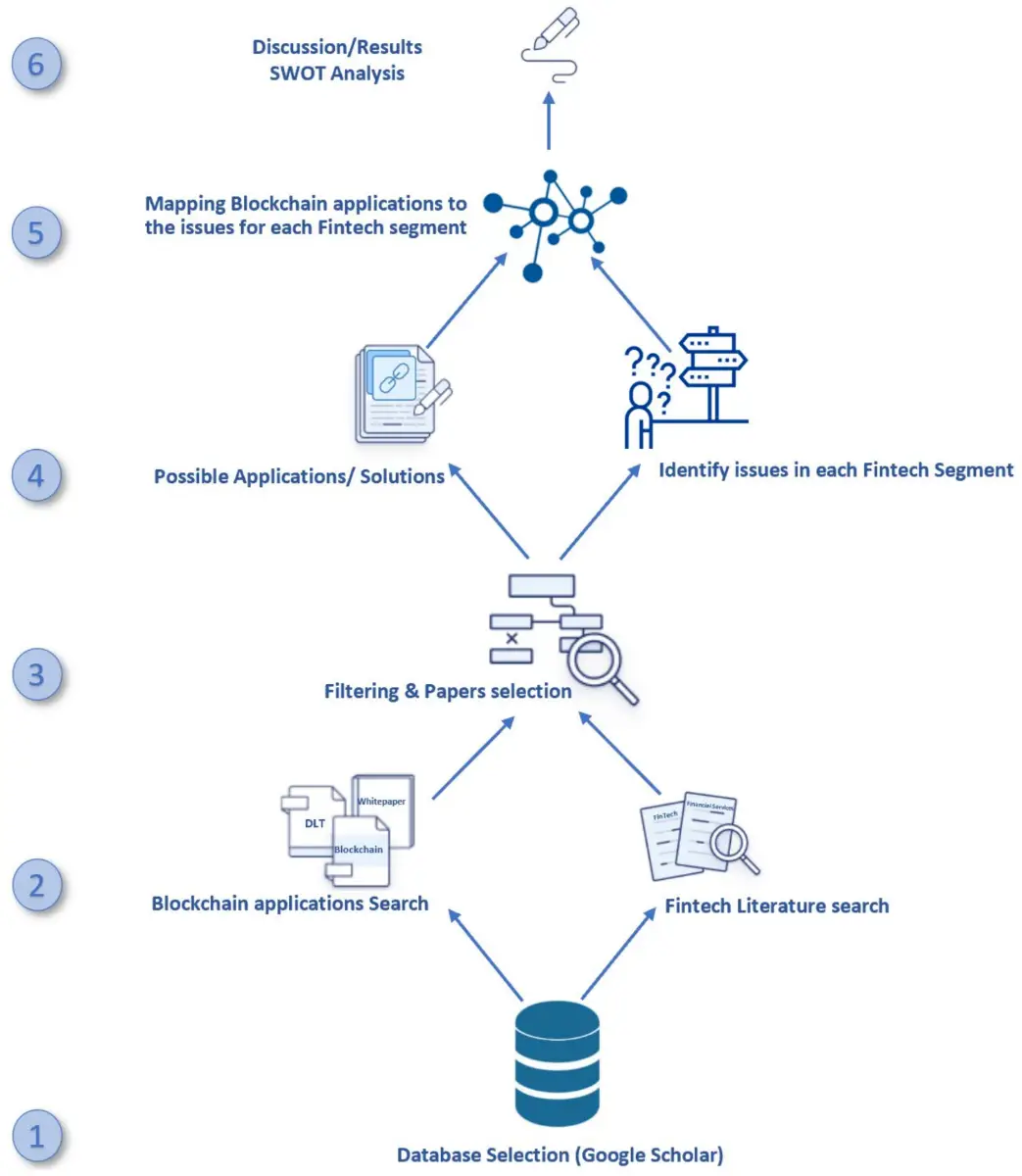
Several industries are exploring how distributed systems might improve efficiency and trust.
Examples include:
Supply chain verification: Companies use blockchain records to track products from manufacturing to delivery. Healthcare data sharing: Secure decentralized systems can allow patients to control access to their medical records. Digital content ownership: Artists and creators can distribute work through decentralized platforms that verify authenticity. Energy markets: Some pilot programs allow communities to trade locally generated renewable energy using decentralized networks.
These use cases highlight how decentralization can address practical challenges related to trust, transparency, and coordination.
Challenges That Still Need to Be Addressed
Despite growing interest, decentralized systems also face several challenges.
First, many decentralized networks remain technically complex. Users often need specialized knowledge to interact with blockchain wallets, cryptographic keys, or decentralized applications.
Second, regulatory frameworks are still evolving. Governments and policymakers are working to determine how decentralized technologies should be governed, particularly in areas such as financial services and consumer protection.
Key challenges include:
Scalability limitations in some blockchain networks Energy consumption concerns in certain consensus mechanisms Security vulnerabilities in poorly designed smart contracts Difficulty coordinating decentralized governance
Addressing these challenges will be essential for decentralized systems to achieve widespread adoption.
Frequently Asked Questions
What is a decentralized system? A decentralized system distributes control and decision-making across a network of participants rather than relying on a single central authority.
How does decentralization differ from traditional systems? Traditional systems rely on centralized servers or organizations to manage operations, while decentralized systems allow multiple participants to maintain and verify the network collectively.
Is blockchain the same as decentralization? Blockchain is one type of decentralized technology, but decentralization can also apply to data storage, identity systems, governance models, and communication networks.
Why are decentralized systems becoming popular? Growing concerns about data ownership, privacy, platform control, and system resilience have increased interest in decentralized digital infrastructure.
Are decentralized systems more secure? They can improve resilience because there is no single point of failure, but security still depends on how the system is designed and implemented.
What industries are exploring decentralization? Finance, healthcare, supply chains, digital identity, cloud infrastructure, and energy markets are among the industries exploring decentralized technologies.
What is decentralized finance? Decentralized finance refers to financial services built on blockchain networks that operate without traditional intermediaries such as banks.
Do decentralized systems eliminate the need for organizations? Not entirely. Many decentralized platforms still involve developers, communities, and governance structures that guide system development.
Are decentralized technologies regulated? Regulation is evolving as governments develop frameworks addressing financial risks, consumer protection, and cybersecurity.
Will decentralized systems replace centralized platforms? Most experts expect decentralized and centralized systems to coexist, with each model serving different purposes.
When Trust Moves From Institutions to Networks
Decentralization represents a shift in how digital trust is established. Instead of relying solely on institutions to verify information, distributed systems allow networks of participants to collectively maintain records and validate transactions.
This change does not eliminate the need for organizations or regulation, but it introduces new ways of structuring digital cooperation.
As decentralized infrastructure continues to develop, its influence may extend across finance, data management, governance, and digital identity—reshaping how individuals and institutions interact online.
Key Signals Shaping the Decentralized Future
Distributed networks are gaining attention as alternatives to centralized digital platforms Blockchain technology is expanding beyond cryptocurrencies into enterprise applications Decentralized finance is experimenting with new models of financial services Data ownership and digital identity are becoming central issues in online ecosystems Regulatory frameworks and technical improvements will shape future adoption
FAQs
More Articles

Blockchain: A Force for Transparency and Accountability in the Digital Age
7 min read | 02 May 2026
Building the Trust Machine: How Blockchain is Revolutionizing Trust Systems
4 min read | 01 May 2026

From Satoshi to Society: The Rise of Blockchain and its Impact on the World
4 min read | 30 Apr 2026

Don't Get Left Behind: Mastering the Basics of Blockchain Today
4 min read | 29 Apr 2026
More Articles

How Blockchain is Enhancing Intellectual Property Rights and Protection
5 min read | 28 May 2026

The Evolution of Blockchain Consensus Mechanisms: From Proof of Work to Proof of Stake
6 min read | 27 May 2026

Blockchain for Social Good: How Technology is Addressing Global Challenges
6 min read | 26 May 2026

The Challenges of Scaling Blockchain Technology: Solutions and Innovations
7 min read | 25 May 2026