
Why Decentralized Technology Is Quietly Reshaping the Way the Internet Works
11 min read
31 May 2026
 By Sayan Gosh
Decentralized technologies—such as blockchain networks, distributed storage, and peer-to-peer platforms—are gradually reshaping how the internet operates. Instead of relying on centralized platforms and servers, these systems distribute data and control across many participants. The result is an evolving digital ecosystem that prioritizes transparency, resilience, and user ownership while influencing finance, data management, online identity, and digital infrastructure.
A Subtle Shift Beneath the Surface of the Internet
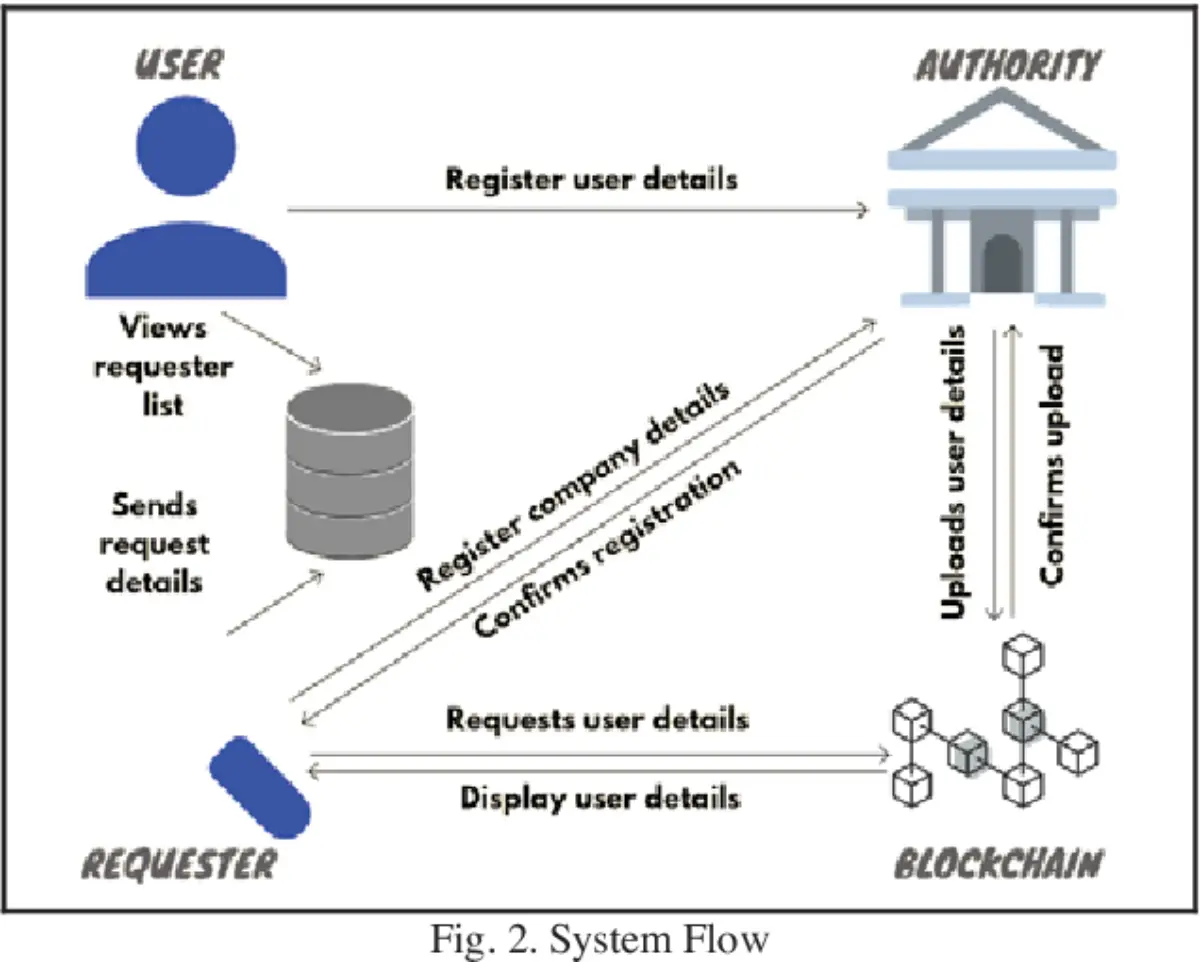
For most Americans, the internet appears straightforward: websites, social platforms, apps, and cloud services accessed through a few dominant companies. Behind the scenes, however, the architecture of the internet has long relied on centralized systems.
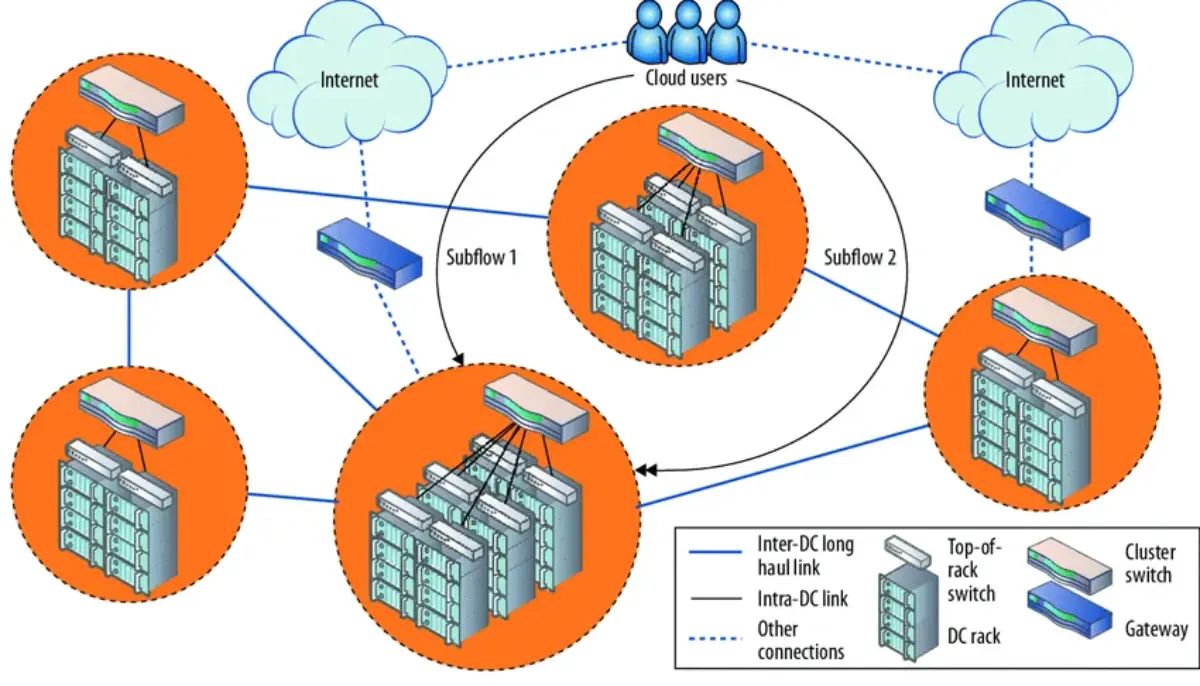
Data is stored in corporate servers, services are controlled by large platforms, and user access is mediated by companies that operate the infrastructure.
Decentralized technology introduces a different design philosophy. Instead of concentrating data and control in a few locations, decentralized systems distribute them across many independent computers and participants.
This concept is not entirely new. The early internet itself was built on distributed principles. However, the modern web gradually shifted toward centralization as large technology platforms grew and cloud infrastructure became dominant.
Today, decentralized technologies are quietly bringing some of those distributed principles back into digital infrastructure. These systems aim to improve transparency, resilience, and user control.
Several technological developments are driving this shift:
Blockchain-based networks that verify transactions without central authorities Peer-to-peer systems that allow users to exchange data directly Distributed storage networks that host information across multiple nodes Decentralized identity systems that allow individuals to control personal data
According to research from Deloitte and the World Economic Forum, distributed ledger technologies are expected to influence industries ranging from financial services to supply chain management and digital identity systems.
While adoption remains gradual, decentralized systems are increasingly being explored as foundational infrastructure for the next phase of the internet.
What Decentralization Actually Means for the Internet
The term “decentralized internet” often appears in discussions about emerging technology, but its meaning can vary depending on context.
In practical terms, decentralization refers to how information, authority, and control are distributed across networks.
In centralized systems, a single organization or small group manages servers, data, and user access. In decentralized systems, many independent participants maintain the network collectively.
This difference can affect several aspects of internet infrastructure.
Data Storage
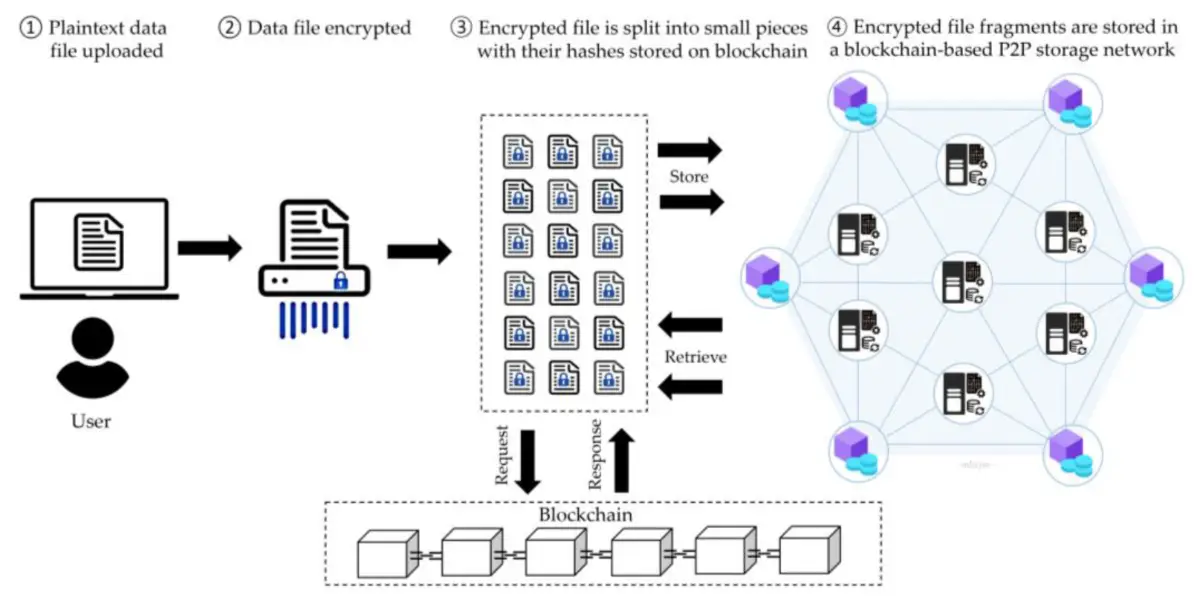
Traditional cloud platforms store information in centralized data centers owned by technology companies. Decentralized storage systems distribute files across thousands of independent nodes, making them less vulnerable to outages or single points of failure.
Transaction Verification
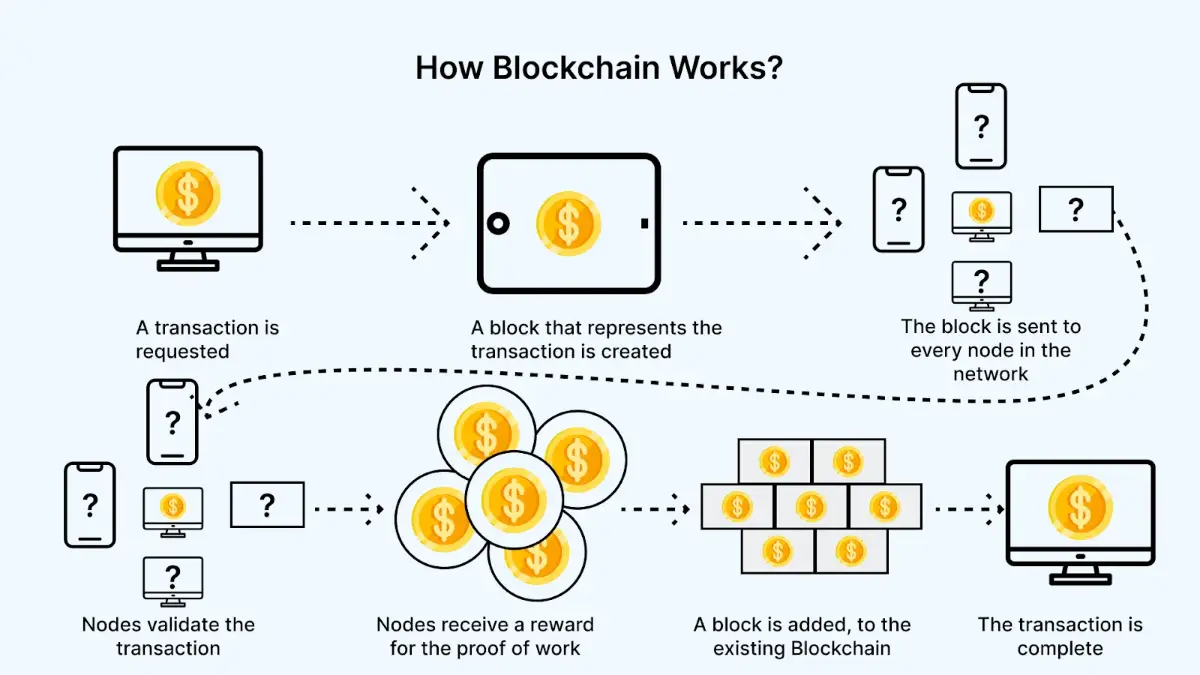
Financial systems and digital transactions typically require trusted intermediaries such as banks or payment processors. Blockchain networks enable transactions to be verified collectively through cryptographic consensus mechanisms.
Digital Identity
Most online accounts rely on centralized login systems. Decentralized identity frameworks aim to give individuals greater control over personal credentials and authentication.
These architectural changes do not necessarily replace the existing internet overnight. Instead, they gradually introduce alternative infrastructure that can coexist with traditional platforms.
Why Decentralized Technology Is Attracting Attention
Interest in decentralized technology has grown for several reasons related to security, transparency, and resilience.
Reducing Single Points of Failure
Centralized systems can experience outages if their infrastructure fails or is attacked. Distributed networks reduce this risk by spreading data across many nodes.
For example, if one node in a decentralized storage network becomes unavailable, the system can still retrieve data from other participants.
Increasing Transparency in Digital Systems
Many decentralized systems use public ledgers that record transactions in a transparent and verifiable way. This approach can improve accountability in areas such as financial transactions, supply chain tracking, and digital recordkeeping.
Expanding User Ownership of Digital Assets
Decentralized networks often allow users to retain direct ownership of digital assets, including cryptocurrencies, tokens, and digital collectibles.
Unlike traditional platforms where user data and content may be controlled by companies, decentralized systems aim to give individuals greater control over their digital assets and identities.
Practical Examples of Decentralized Technology in Action
Although decentralized technology is still developing, several real-world applications are already visible across different industries.
Financial Systems and Payments
Decentralized finance (often called DeFi) enables financial services to operate through blockchain networks rather than traditional financial institutions.
These systems allow users to perform activities such as:
Sending digital payments without intermediaries Lending and borrowing assets through smart contracts Trading digital assets on decentralized exchanges
While these platforms remain experimental in many cases, they demonstrate how financial infrastructure can operate through distributed networks.

Supply Chain Transparency
Companies increasingly explore blockchain-based systems to track goods across global supply chains.
For example, food producers and retailers can use distributed ledgers to record the movement of products from farms to stores. This creates transparent records that help verify authenticity and trace contamination sources more quickly.
Major organizations—including logistics companies and large retailers—have tested blockchain supply chain tracking systems in pilot programs.
Decentralized Data Storage
New platforms are experimenting with decentralized file storage systems that distribute encrypted data across many independent computers.
Instead of relying on a single data center, these networks store fragments of files across multiple nodes. Participants who provide storage capacity are compensated for hosting encrypted data.
This model could potentially reduce dependence on centralized cloud providers while improving resilience.
Digital Identity Systems
Governments, universities, and technology companies are exploring decentralized identity frameworks that allow individuals to manage digital credentials directly.
For example, a person might store verified credentials—such as educational certificates or professional licenses—in a secure digital wallet rather than relying on centralized account systems.
These credentials can then be shared selectively when needed.
How Decentralized Technology Could Influence the Future Web
The concept of “Web3”—often associated with decentralized technology—reflects a broader vision of how the internet might evolve.
In this model, users interact with decentralized applications (sometimes called dApps) that operate on distributed networks rather than centralized servers.
While the long-term direction of Web3 remains uncertain, several trends are emerging.
Greater User Control Over Data Programmable Digital Contracts through smart contracts Open digital infrastructure built on shared protocols
Despite these possibilities, decentralized systems still face technical and regulatory challenges.
Challenges Slowing the Adoption of Decentralized Systems
While decentralized technology presents promising possibilities, adoption remains gradual due to several practical limitations.
Scalability
Some blockchain networks struggle to process large numbers of transactions quickly compared with traditional payment systems.
Regulatory Uncertainty
Governments around the world are still determining how decentralized systems should be regulated, particularly in financial sectors.
User Experience
Many decentralized applications currently require technical knowledge that may be unfamiliar to average users.
Energy Consumption
Certain blockchain systems require significant computing power, though newer consensus mechanisms aim to reduce energy usage.
As technology evolves, developers continue working to address these limitations while improving performance and usability.
Frequently Asked Questions
What is decentralized technology? Decentralized technology refers to digital systems where data and control are distributed across many independent participants rather than managed by a single authority or company.
How does blockchain relate to decentralization? Blockchain is one type of decentralized technology. It uses distributed ledgers and cryptographic verification to record transactions across a network of computers.
Is the internet becoming decentralized? The internet itself remains largely centralized today, but decentralized technologies are introducing alternative infrastructure that may complement traditional systems.
What is Web3? Web3 refers to a vision of the internet built around decentralized networks, blockchain technologies, and user-owned digital assets.
Are decentralized systems more secure? They can improve resilience because data is distributed across many nodes. However, security still depends on proper system design and user practices.
How are businesses using decentralized technology? Companies use decentralized systems for supply chain tracking, digital identity management, financial transactions, and secure recordkeeping.
Do decentralized platforms eliminate intermediaries? In some cases, they reduce the need for intermediaries by allowing transactions to be verified collectively through network consensus.
Are decentralized technologies widely used today? Adoption is still developing. Many systems remain experimental or in early deployment stages.
What industries are exploring decentralized technology? Finance, logistics, healthcare, digital identity, and cybersecurity are among the sectors actively exploring decentralized infrastructure.
Will decentralized technology replace major tech platforms? Most experts believe decentralized systems will complement existing platforms rather than replace them entirely.
The Internet’s Architecture Is Slowly Evolving
Decentralized technology represents a structural shift in how digital systems are designed. Instead of relying entirely on centralized servers and corporate platforms, new networks distribute control across many participants.
This shift does not happen overnight. Much like earlier technological transitions—cloud computing, mobile internet, and social platforms—the adoption of decentralized systems unfolds gradually.
Yet the influence is already visible. Financial transactions, supply chain records, digital identities, and data storage systems are beginning to incorporate distributed infrastructure.
For users, the most noticeable change may be greater control over digital assets, identity credentials, and online interactions.
For developers and businesses, decentralized technology offers alternative models for building resilient digital platforms.
The internet itself is not being replaced—but its architecture is evolving in ways that could reshape how digital systems operate in the decades ahead.
Key Signals of the Decentralized Web Era
Distributed networks are reducing reliance on centralized servers Blockchain systems are enabling transparent digital transactions Decentralized storage networks are expanding alternatives to cloud infrastructure Supply chains are using distributed ledgers for product verification Identity frameworks are exploring user-controlled digital credentials
FAQs
More Articles

Security Concerns in the Blockchain Landscape: Mitigating Risks and Building Trust
4 min read | 06 Apr 2026

Blockchain's Scalability Challenge: Can it Handle Mass Adoption?
6 min read | 05 Apr 2026

Blockchain Use Cases Beyond Finance: Healthcare, Real Estate, and More
3 min read | 04 Apr 2026

Tokenomics: Understanding the Economics of Cryptocurrencies
7 min read | 03 Apr 2026
More Articles

How AI Is Quietly Reshaping Everyday Work in the U.S. Economy
10 min read | 31 May 2026

The Role of Machine Learning in Climate Change Solutions
11 min read | 08 Jun 2026

AI-Powered Cybersecurity: Can Machines Outthink Hackers?
15 min read | 07 Jun 2026

The Future of Generative AI in Creative Industries
10 min read | 06 Jun 2026