
From Blockchain to Web3: How Decentralized Tech Is Expanding Beyond Crypto
11 min read
01 Jun 2026
 By Sayan Gosh
Blockchain technology is evolving beyond cryptocurrency into a broader ecosystem often described as Web3. Decentralized systems are now influencing finance, digital identity, supply chains, and online ownership. While the technology is still developing, businesses, developers, and governments are experimenting with blockchain infrastructure to build transparent, secure, and user-controlled digital systems that extend far beyond traditional crypto markets.
Understanding the Shift from Blockchain to Web3
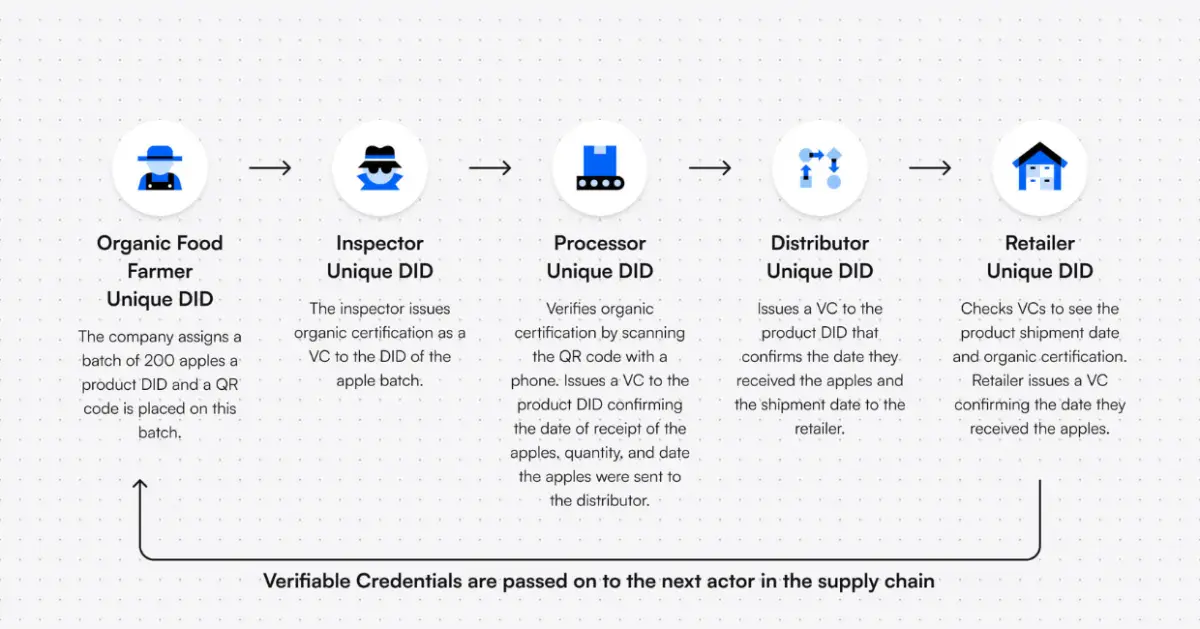
For many Americans, the term blockchain first appeared in discussions about cryptocurrencies such as Bitcoin. Early media coverage often focused on trading markets, price volatility, and speculation surrounding digital assets.
However, the technology behind cryptocurrencies—a distributed ledger system that securely records transactions across a network of computers—has evolved into something far broader.
Today, many developers and technology companies are exploring Web3, a concept describing internet services built on decentralized infrastructure. Instead of relying entirely on large technology companies to store data and manage platforms, Web3 systems attempt to distribute control across networks of users.
At its core, Web3 expands blockchain technology into a broader ecosystem that includes digital assets, decentralized applications, smart contracts, and user-controlled identity systems.
What Makes Blockchain Different from Traditional Systems
Most online platforms today rely on centralized databases. When users interact with social media networks, banking apps, or cloud platforms, the underlying data is typically stored on servers controlled by a single company.
Blockchain networks function differently. Instead of storing information in a single location, transaction records are distributed across a network of computers called nodes. Each transaction must be validated by the network before it becomes part of the permanent ledger.
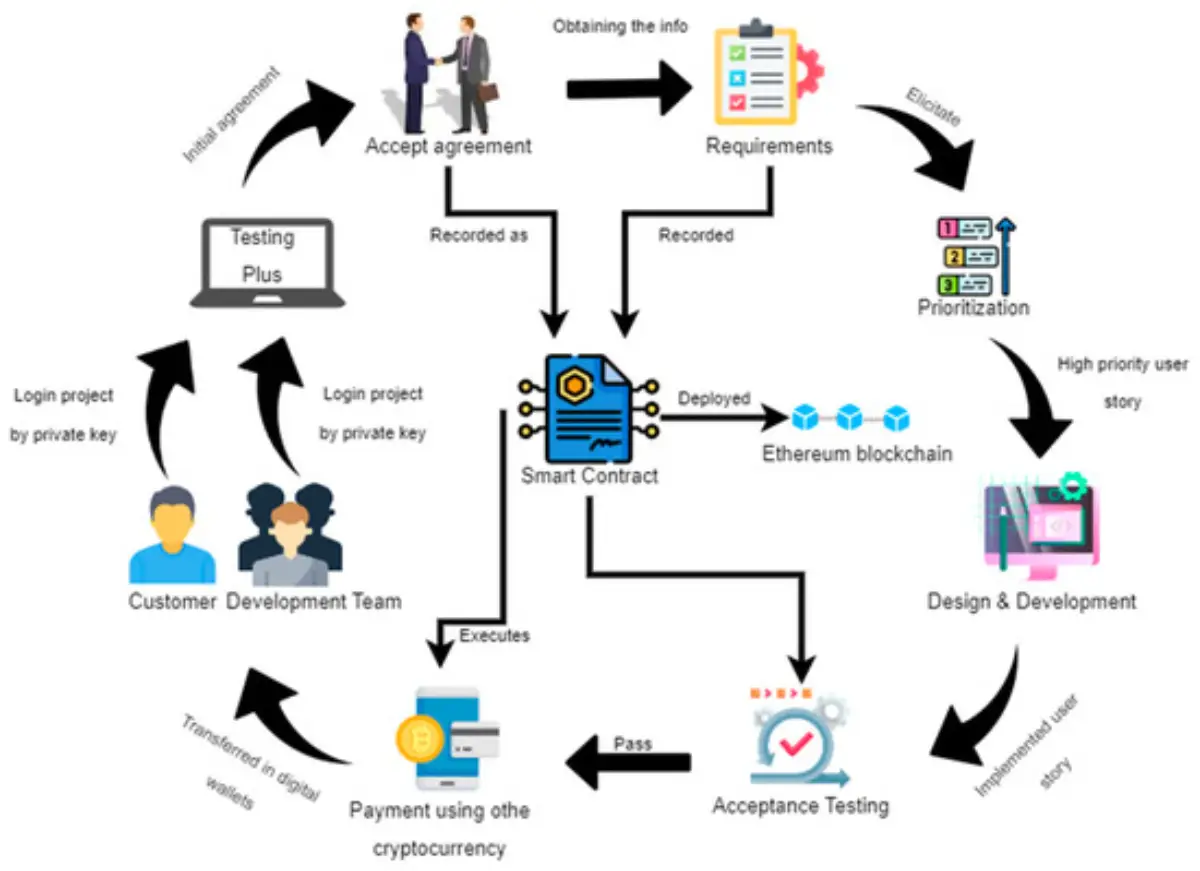
This decentralized structure introduces several characteristics that distinguish blockchain from traditional systems:
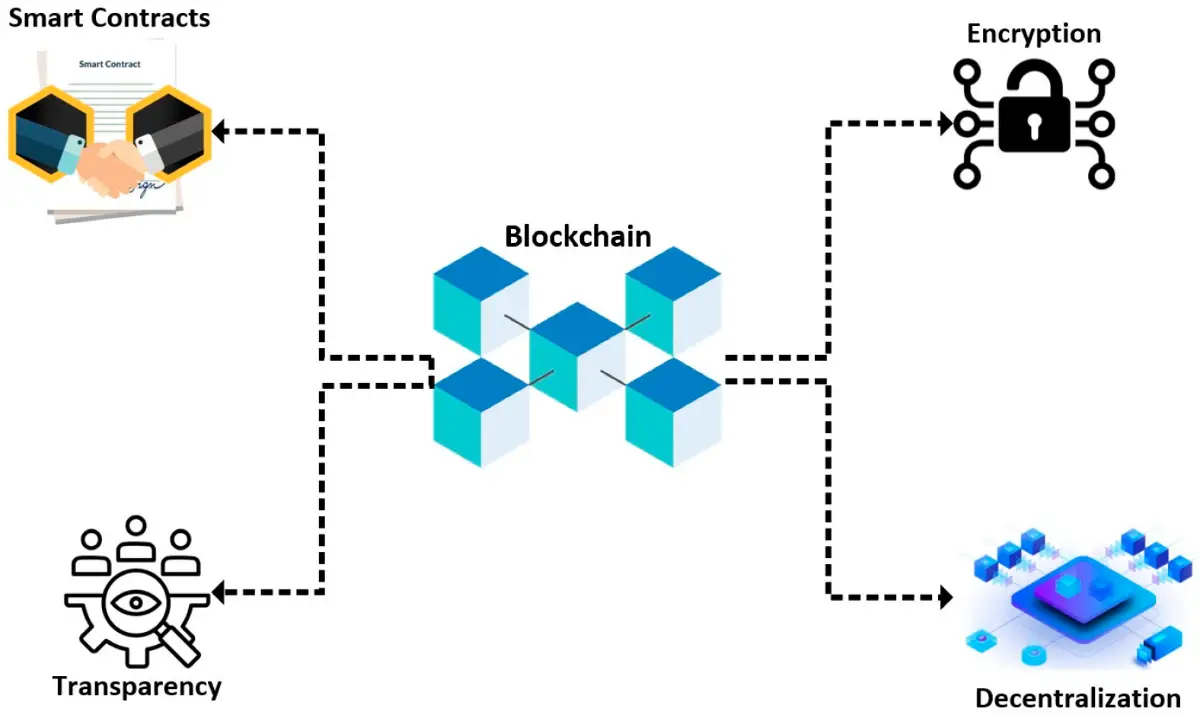
Transparency – transactions recorded on many blockchains are publicly verifiable Immutability – once data is written to the ledger, it is extremely difficult to alter Decentralization – no single organization controls the entire network Programmability – smart contracts allow automated agreements to execute digitally
These attributes make blockchain technology useful for applications that require secure, tamper-resistant records.
How Web3 Expands the Blockchain Ecosystem
Web3 builds upon blockchain infrastructure to create a broader environment where users can interact with decentralized digital services.
Rather than relying solely on centralized platforms, developers can build applications that run directly on blockchain networks.
Common components of Web3 ecosystems include:
Smart contracts – automated agreements stored on blockchain networks Decentralized applications (dApps) – online services that run without centralized servers Tokenized assets – digital tokens representing ownership, value, or access rights Digital wallets – tools that allow users to store cryptographic keys and manage digital assets
These systems allow users to interact directly with decentralized networks without relying on a central intermediary.
Real-World Applications Beyond Cryptocurrency
Although cryptocurrency remains the most widely recognized blockchain use case, decentralized technologies are increasingly being explored across multiple industries.
Supply Chain Transparency
Global supply chains often involve numerous manufacturers, distributors, and retailers. Maintaining reliable records across such networks can be difficult.
Blockchain-based supply chain systems allow organizations to create shared digital ledgers that record product movement from manufacturing to final delivery.
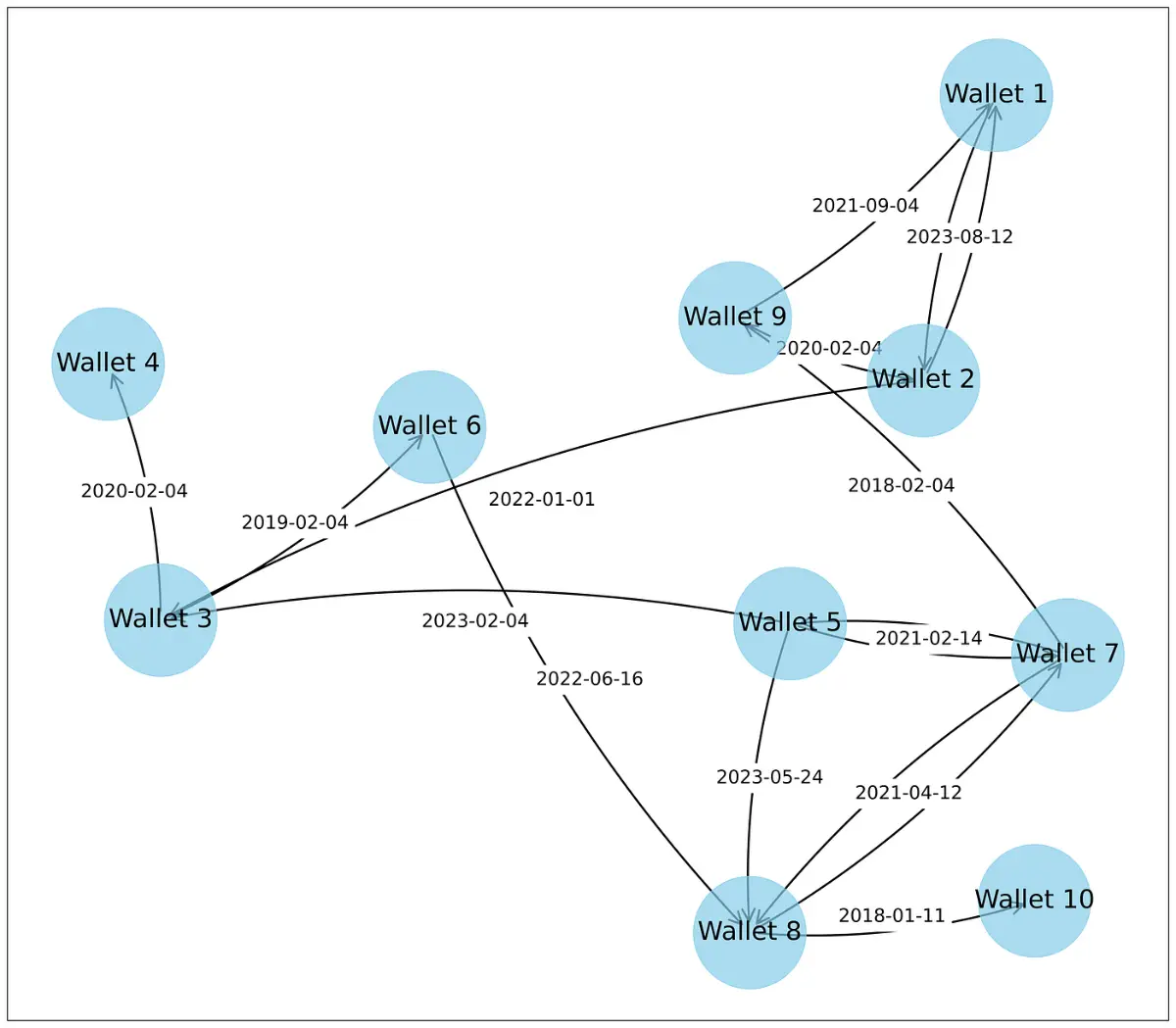
For example:
Food producers can track produce from farms to grocery stores Pharmaceutical companies can monitor drug shipments to prevent counterfeiting Retail brands can verify the origin of raw materials
Companies such as IBM and Walmart have experimented with blockchain-based food traceability systems to improve transparency and safety.
Digital Identity and Personal Data Control
Another promising application is decentralized digital identity.
Today, personal information is often scattered across multiple platforms and databases, increasing the risk of data breaches. Blockchain-based identity systems aim to give individuals more control over their personal data.
In decentralized identity frameworks, users store credentials in digital wallets and selectively share verified information—such as age or professional certifications—without exposing unnecessary personal details.
Government agencies and technology companies in the United States are currently exploring pilot programs for decentralized identity verification.
Financial Services and Decentralized Finance
Decentralized finance, commonly known as DeFi, represents one of the most active areas of Web3 development.
DeFi platforms use blockchain-based smart contracts to offer financial services such as lending, borrowing, and asset trading.
Unlike traditional financial systems that rely on centralized banks or institutions, DeFi applications operate through open protocols where users interact directly with automated software.
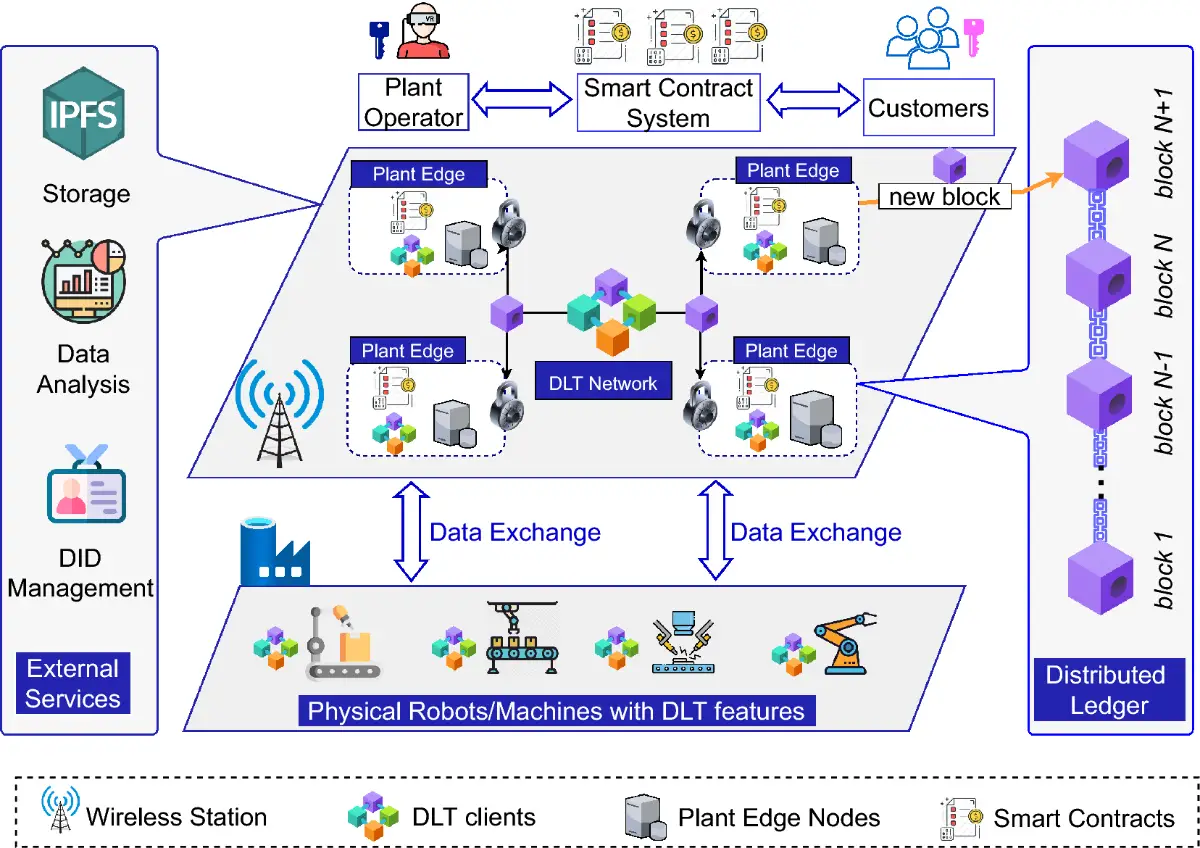
While DeFi expands financial access in some contexts, it also introduces regulatory and security considerations that policymakers continue to evaluate.
Digital Ownership and Creative Economies
Blockchain technology has also influenced conversations about digital ownership and creator economies.
Artists, musicians, and digital creators are experimenting with decentralized platforms that allow them to distribute and monetize digital content in new ways.
Some platforms allow creators to issue blockchain-based tokens representing ownership or access rights to digital content.
These systems may allow creators to:
Receive royalties automatically through smart contracts Track ownership history of digital assets Sell limited digital editions of creative works
Although still evolving, decentralized infrastructure is expanding the tools available for managing digital rights.
Why Businesses Are Exploring Decentralized Infrastructure
Many corporations are experimenting with blockchain technologies to improve operational transparency and automation.
Potential benefits include:
Improved data integrity across multi-party systems Automated workflows using smart contracts Reduced reliance on intermediaries Greater transparency in supply chains and financial reporting
According to a Deloitte Global Blockchain Survey, many executives believe blockchain has strong potential as a strategic technology for secure data sharing across organizations.
However, most companies are adopting these systems gradually through pilot programs rather than full-scale deployment.
Challenges and Limitations of Web3 Technologies
Despite growing interest, decentralized technologies still face important technical and regulatory challenges.
Some blockchain networks struggle with scalability, meaning they cannot process transactions as quickly as centralized systems.
Other challenges include:
Energy consumption associated with certain blockchain networks User experience complexity for non-technical users Security vulnerabilities in poorly designed smart contracts Integration challenges with existing enterprise systems
Addressing these issues will be critical for broader adoption of decentralized infrastructure.
What the Future of Decentralized Technology May Look Like
The future of Web3 technologies remains uncertain but promising. Developers continue working on scalable blockchain architectures capable of handling large transaction volumes.
At the same time, governments and regulators are developing frameworks to address digital assets and decentralized finance platforms.
Major technology companies are also experimenting with decentralized identity systems, blockchain infrastructure services, and tokenized digital assets.
Rather than replacing the existing internet, decentralized technologies may evolve into an additional infrastructure layer supporting secure transactions and transparent digital ownership.
Frequently Asked Questions
What is Web3? Web3 refers to a decentralized vision of the internet where applications operate on blockchain networks rather than centralized servers.
Is blockchain only used for cryptocurrency? No. Blockchain technology is increasingly used for supply chains, digital identity systems, healthcare records, and financial infrastructure.
What are decentralized applications? Decentralized applications, or dApps, are software programs that operate on blockchain networks rather than centralized platforms.
How does blockchain improve transparency? Blockchain records transactions on distributed ledgers that multiple participants can verify, making tampering extremely difficult.
What is decentralized finance? Decentralized finance (DeFi) refers to financial services such as lending, borrowing, and trading that operate through blockchain-based smart contracts.
Are decentralized technologies regulated? Regulation is evolving as governments develop policies addressing digital assets and blockchain-based services.
Can blockchain improve supply chains? Yes. Blockchain can help track product origins and movement across supply networks.
Is Web3 widely adopted today? Adoption is still emerging, with many organizations running pilot projects rather than full-scale systems.
What industries are exploring blockchain? Finance, healthcare, logistics, retail, media, and government services are actively exploring blockchain applications.
Do users need technical knowledge for Web3? Many current tools require some technical understanding, although developers are working to simplify user interfaces.
The Expanding Role of Decentralized Infrastructure
Blockchain technology began as the foundation for digital currencies, but its influence now extends far beyond cryptocurrency markets.
From supply chain tracking and identity verification to decentralized finance and digital ownership models, Web3 technologies are expanding the possibilities for how data and value move across the internet.
Rather than replacing existing platforms overnight, decentralized infrastructure may gradually complement traditional digital services.
Signals Pointing Toward a Decentralized Digital Economy
Blockchain infrastructure is expanding beyond cryptocurrency into supply chains and identity systems Developers are building decentralized applications and financial platforms Businesses are experimenting with blockchain for transparency and automation Governments are developing regulatory frameworks for decentralized systems Improvements in scalability and usability may accelerate future adoption
FAQs
More Articles

The Rise of Web3: Decentralized Internet on the Blockchain
4 min read | 10 Apr 2026

Blockchain and the Future of Jobs: How Automation Will Reshape the Workforce
7 min read | 09 Apr 2026

The Environmental Impact of Blockchain: Exploring Sustainable Solutions
7 min read | 08 Apr 2026

Regulation or Innovation? Navigating the Legal Landscape of Blockchain
5 min read | 07 Apr 2026
More Articles

Logistics Technology: The Innovations You Can't Afford to Ignore
4 min read | 10 Apr 2026
Digital Supply Chain: The Future of Logistics and Distribution
4 min read | 09 Apr 2026

Predictive Maintenance: How to Save Millions with AI
6 min read | 08 Apr 2026

Industrial IoT (IIoT): The Backbone of Modern Industry
4 min read | 07 Apr 2026