
Can Decentralized Technology Fix the Internet’s Biggest Structural Problems?
10 min read
03 Jun 2026
 By Sayan Gosh
Decentralized technology—including blockchain networks, distributed storage systems, and peer-to-peer protocols—aims to reduce reliance on large centralized platforms that currently dominate the internet. Supporters believe these systems could improve transparency, security, and user control over data. While promising, decentralized infrastructure also faces scalability, governance, and usability challenges that determine whether it can meaningfully address the internet’s structural weaknesses.
The Internet’s Centralization Problem
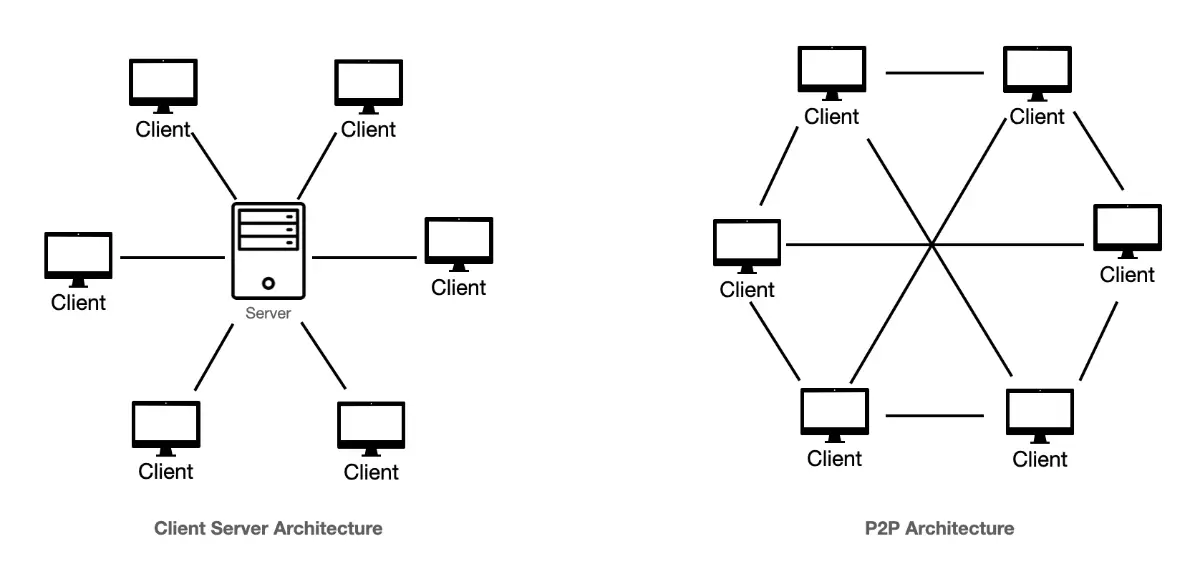
The early internet was designed as a decentralized network, where information flowed between distributed computers without a single controlling authority. Over time, however, the structure of the internet shifted toward centralized platforms.
Today, a relatively small group of large technology companies manages much of the infrastructure that powers online services, cloud computing, digital communication, and social media.
These platforms host enormous amounts of user data, manage identity systems, and control how information is distributed online.
As a result, several structural challenges have emerged:
Concentrated control over digital platforms Limited transparency in algorithms and moderation decisions Data ownership concerns for individuals and businesses Single points of failure in infrastructure Growing cybersecurity risks
These issues have prompted technologists and policymakers to explore whether decentralized systems could provide alternative models for managing digital infrastructure.
What Decentralized Technology Actually Means
The term decentralized technology is often associated with cryptocurrency, but the broader concept includes a wide range of distributed digital systems.
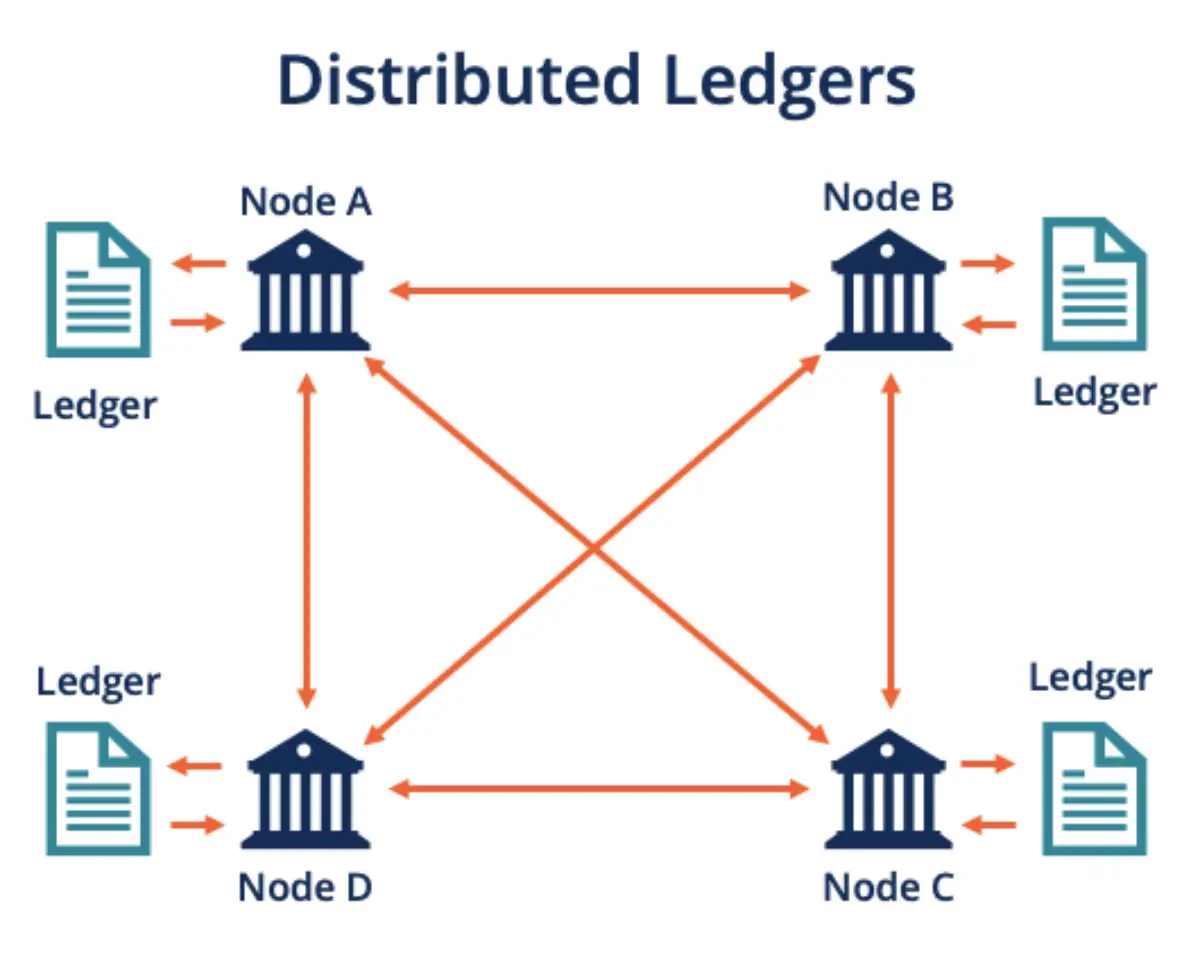
Instead of relying on centralized servers controlled by one organization, decentralized networks operate across many independent computers that collectively maintain the system.
Examples of decentralized technologies include:
Blockchain networks that maintain distributed transaction ledgers Peer-to-peer protocols used for file sharing and communication Distributed storage networks that replicate data across multiple nodes Decentralized identity systems that give individuals control over credentials
In theory, distributing authority across many participants can reduce the risk that any single organization controls data, access, or decision-making.

However, decentralization is not one specific technology. It is a design approach that can be implemented in many different ways depending on the goals of the system.
Why the Internet Became Centralized
Understanding why the internet became centralized helps explain the challenges decentralized systems must overcome.
Centralized platforms provide practical advantages. Large data centers allow companies to process information efficiently and deliver reliable services to millions of users simultaneously.
Centralization offers several operational benefits:
Efficiency: Large infrastructure systems can process data faster and at lower cost User convenience: Centralized services simplify account management and authentication Network effects: Platforms become more valuable as more users join
Cloud computing providers built massive infrastructures capable of supporting global services. According to industry research from Synergy Research Group, a small number of cloud providers now manage a large share of global cloud infrastructure.
While this concentration enables efficiency and scalability, it also creates systemic risks when outages or policy decisions affect millions of users simultaneously.
How Decentralized Systems Attempt to Solve Structural Issues
Developers and researchers believe decentralized technologies may help address some of the internet’s structural challenges.
Reducing Single Points of Failure
In centralized systems, service outages can disrupt millions of users at once. Distributed networks reduce this risk by spreading operations across multiple nodes.
For example, distributed storage platforms replicate files across numerous computers so that if one node fails, others can continue serving the data.

Increasing Transparency
Blockchain-based systems store records in publicly verifiable ledgers. This transparency can make certain types of transactions easier to audit and verify.
Financial systems, digital asset registries, and supply chain tracking platforms often explore decentralized ledgers for this reason.
Giving Users Greater Control Over Data
Many centralized platforms collect and monetize user data without providing individuals with direct control.
Decentralized identity frameworks attempt to address this by allowing users to manage credentials through personal digital wallets instead of centralized databases.
Improving Resistance to Censorship
Because decentralized networks operate across many nodes, removing information can be more difficult than on centralized platforms.
This characteristic has attracted developers building decentralized publishing tools and communication platforms.
Real-World Examples of Decentralized Infrastructure
Although decentralized technology is often discussed theoretically, practical implementations are already emerging.
Blockchain-Based Financial Systems
Blockchain networks allow digital transactions without traditional intermediaries by maintaining shared ledgers across distributed computers.
These systems are being explored for several applications:
Cross-border payment infrastructure Digital asset ownership records Supply chain verification systems Smart contract automation

Distributed Cloud and Storage Platforms
Traditional cloud computing relies on centralized data centers. Distributed storage networks spread encrypted files across many independent nodes to increase resilience.
Decentralized Social Media Platforms
Some developers are experimenting with social networks built on open protocols rather than centralized algorithms.
These systems may allow users greater control over content moderation and platform governance. However, attracting large user communities remains a challenge.
Challenges Decentralized Technology Still Faces
Despite its potential advantages, decentralized technology has not yet replaced centralized internet infrastructure in most industries.
Several barriers remain.
Scalability
Many decentralized systems process transactions or data more slowly than centralized platforms. Traditional payment networks can process thousands of transactions per second, while some blockchain systems still operate at lower speeds.
User Experience
Managing digital wallets, cryptographic keys, or decentralized applications can be complicated for non-technical users.
Governance and Accountability
Centralized platforms enforce rules through corporate policies. Decentralized systems must develop governance models that balance openness with responsible oversight.
Regulatory Uncertainty
Governments are still developing legal frameworks for decentralized financial systems, digital assets, and distributed networks.
What Experts and Researchers Are Saying
Many technology researchers believe decentralization will not replace centralized infrastructure entirely. Instead, the future internet may involve hybrid systems.
Some digital services benefit from centralized infrastructure for efficiency, while others may benefit from distributed models.
For example:
Cloud computing may remain largely centralized for efficiency Identity verification systems may adopt decentralized architectures Financial infrastructure may combine centralized oversight with decentralized ledgers
In this hybrid model, decentralized technologies would operate alongside traditional platforms rather than replacing them completely.
Frequently Asked Questions
What is decentralized technology? Decentralized technology refers to systems where control and data are distributed across many independent computers rather than managed by a single authority.
How does decentralization improve internet security? Distributed networks reduce single points of failure, making it harder for attackers to compromise entire systems.
Is blockchain the same as decentralization? No. Blockchain is one example of decentralized technology, but decentralization can also involve peer-to-peer networks and distributed storage systems.
Why is the internet becoming centralized? Centralization provides efficiency, convenience, and strong network effects that make platforms easier for businesses and users to adopt.
Can decentralized technology replace large tech companies? Most experts believe decentralized infrastructure will complement existing platforms rather than replace them entirely.
Are decentralized systems more secure? They may reduce certain risks like centralized data breaches, but they introduce other challenges such as key management and governance.
What industries are exploring decentralized technology? Finance, supply chain management, digital identity, cloud storage, and social media platforms are experimenting with decentralized systems.
Is decentralization better for privacy? In some cases, decentralized systems allow users to control personal data rather than storing it in centralized databases.
What is Web3? Web3 refers to a proposed evolution of the internet built on decentralized technologies where users can own digital assets and participate in governance.
When might decentralized infrastructure become mainstream? Adoption will likely happen gradually as technology improves and regulatory frameworks become clearer.
The Internet’s Next Architectural Debate
The discussion around decentralized technology reflects a broader debate about how the internet should evolve.
Centralized platforms have delivered enormous convenience and scalability, enabling billions of people to access digital services. At the same time, concentration of power has raised concerns about resilience, transparency, and control over personal data.
Decentralized systems introduce alternative approaches for managing digital infrastructure, particularly in areas such as identity verification, financial transactions, and distributed data storage.
Rather than replacing the current internet entirely, decentralization may reshape specific layers of the digital ecosystem while centralized systems continue to provide large-scale services.
Structural Shifts to Watch in the Decentralization Debate
Distributed networks aim to reduce reliance on large centralized platforms Blockchain and peer-to-peer technologies are key building blocks Decentralized identity systems may reshape personal data ownership Hybrid infrastructure models combining centralized and decentralized systems may emerge Scalability and governance remain major challenges for widespread adoption
FAQs
More Articles

Unlocking the Power of AR: How Augmented Reality Is Set to Revolutionize Blockchain!
5 min read | 07 Jun 2026

AI and Blockchain: The Surprising Ways They’re Set to Transform the Tech World in 2024!
6 min read | 06 Jun 2026

How Blockchain Could Revolutionize VR Gaming – The Game-Changing Innovation You Need to Know About!
7 min read | 05 Jun 2026

The Future of Tech Revealed: How AR and AI Will Transform Your Daily Life!
5 min read | 04 Jun 2026
More Articles

AI and Blockchain: The Potential for Secure and Transparent Systems
4 min read | 10 May 2026

AI in Smart Cities: Improving Urban Living with Intelligent Systems
5 min read | 09 May 2026

The Role of AI in Enhancing Accessibility for People with Disabilities
5 min read | 08 May 2026

AI in Human Resources: Streamlining Recruitment and Employee Management
4 min read | 07 May 2026