
Transforming Tourism: AR and VR Experiences in Travel
2 min read
25 Apr 2026
 By Lewis Adam
Augmented reality (AR) and virtual reality (VR) technologies are revolutionizing the travel industry by offering immersive and interactive experiences that enhance the way people explore and engage with destinations. From virtual tours of iconic landmarks to augmented reality guides, AR and VR are transforming tourism and reshaping the way travelers experience the world.
One of the key benefits of AR and VR in travel is their ability to provide virtual tours of destinations, allowing travelers to explore attractions from the comfort of their own homes. Whether it's touring famous landmarks, exploring museums, or walking through bustling city streets, virtual tours offer a preview of what travelers can expect, helping them plan and prepare for their trips.

Moreover, AR enhances the travel experience by overlaying digital information onto the real world. For example, travelers can use AR apps to view information about nearby points of interest, historical facts about landmarks, or reviews of restaurants and shops. This augmented reality layer adds depth and context to the travel experience, enriching the journey for travelers.
VR, on the other hand, offers fully immersive experiences that transport travelers to different destinations and environments. Through VR headsets, travelers can visit far-off places, such as exotic beaches, ancient ruins, or remote natural wonders, experiencing them as if they were actually there. This immersive virtual travel experience opens up a world of possibilities for travelers, allowing them to explore destinations that may be inaccessible or impractical to visit in person.
Furthermore, AR and VR technologies can enhance cultural immersion by providing travelers with interactive experiences that showcase local customs, traditions, and languages. For example, travelers can use AR apps to learn basic phrases in the local language, participate in virtual cultural events, or interact with virtual guides who provide insights into the destination's history and culture.
From a business perspective, AR and VR offer new opportunities for destination marketing and promotion. Tourism boards, hotels, and travel agencies can use immersive experiences to showcase their offerings and attract potential visitors. By providing virtual previews of destinations and experiences, businesses can inspire travelers and encourage them to book trips.
However, challenges remain, including the need for widespread adoption of AR and VR technologies, the development of high-quality content and experiences, and concerns about privacy and data security. Despite these challenges, the potential impact of AR and VR on the travel industry is significant, promising to revolutionize the way people plan, experience, and remember their travels.
In conclusion, AR and VR technologies are transforming tourism by offering immersive, interactive, and personalized experiences that enhance the way people explore and engage with destinations. As these technologies continue to evolve and become more accessible, the travel industry is poised for a new era of innovation and growth, promising exciting new possibilities for travelers and businesses alike.
FAQs
More Articles

Biometric Security: The Future of Passwords and Authentication
5 min read | 17 Dec 2025
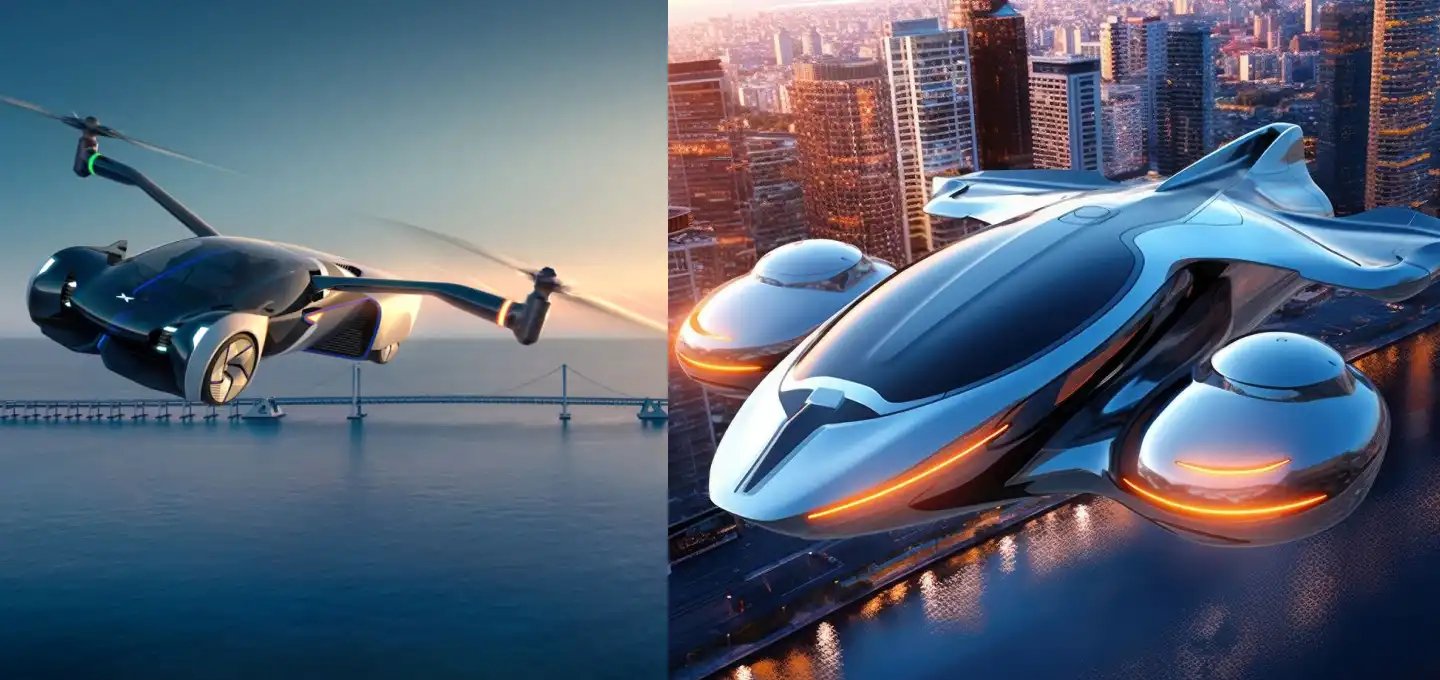
Flying Cars: Making Science Fiction a Reality
4 min read | 16 Dec 2025

The Quantum Internet: Unbreakable and Superfast Communication
5 min read | 15 Dec 2025

Mind-Reading Technology: The Future of Brain-Computer Interfaces
5 min read | 14 Dec 2025
More Articles

Why Edge Computing Matters Now: Bringing Data Closer to Where It’s Needed Most
7 min read | 06 Jun 2026
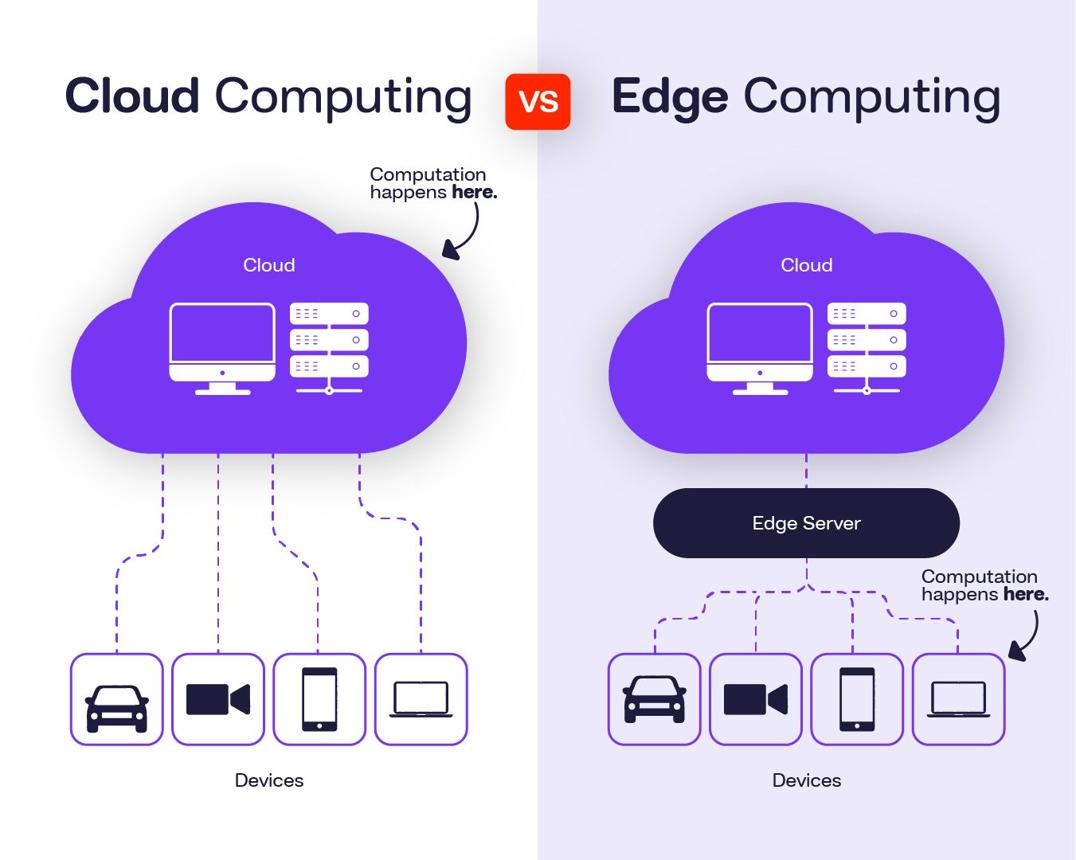
Edge Computing Explained: How Decentralized Data Is Redefining Speed and Efficiency
9 min read | 05 Jun 2026
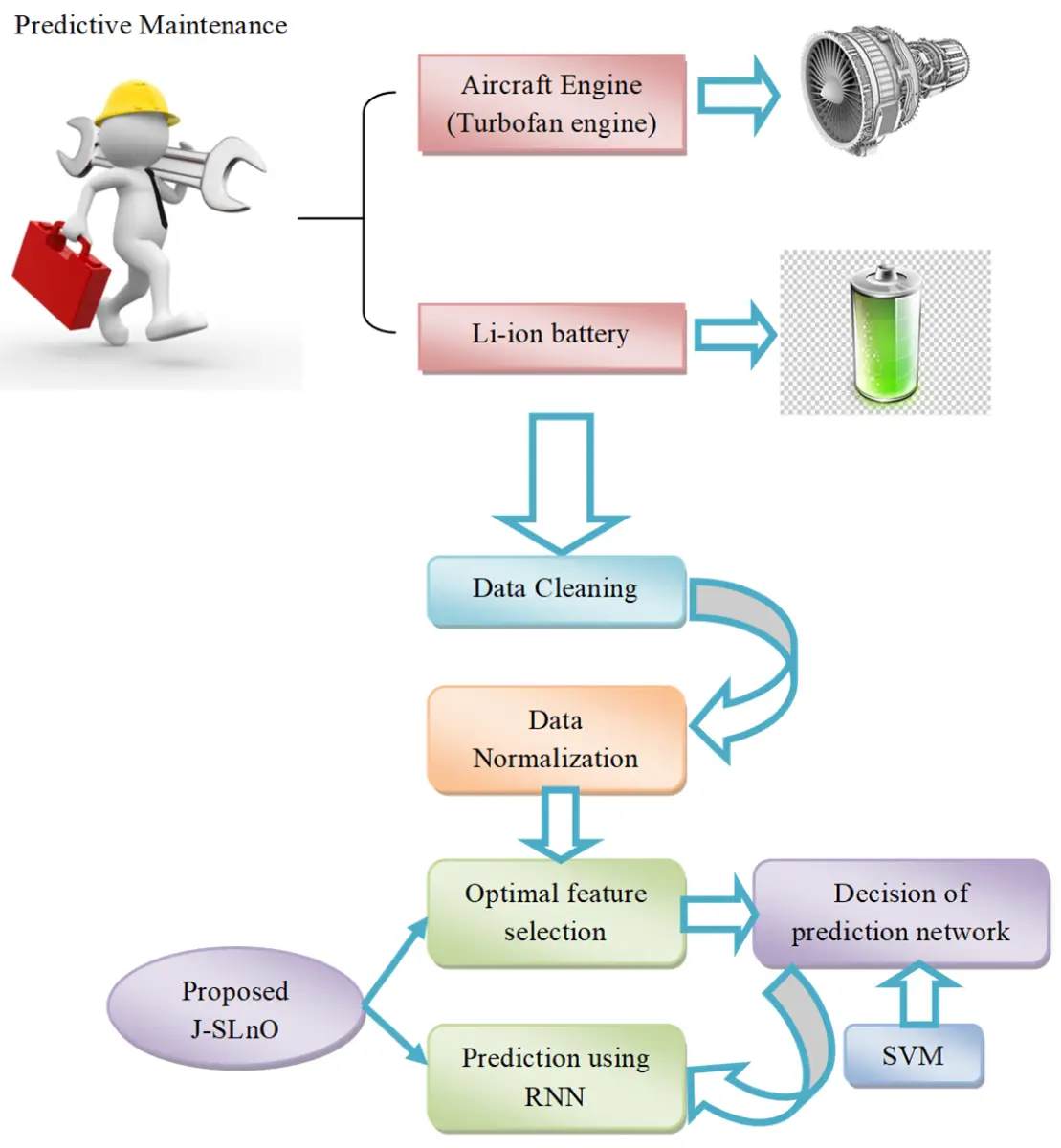
Artificial Intelligence and Decision-Making: How Data Is Shaping the Next Generation of Tools
9 min read | 04 Jun 2026

What the Rise of Artificial Intelligence Means for Jobs, Skills, and the Future of Work
9 min read | 03 Jun 2026