
Why Edge Computing Matters Now: Bringing Data Closer to Where It’s Needed Most
7 min read
06 Jun 2026
 By Lewis Adam
Edge computing is transforming how data is processed by moving it closer to where it is generated. Instead of relying entirely on centralized cloud servers, businesses and systems can now process information locally, enabling faster decisions, reduced latency, and improved efficiency. This shift is especially important as data volumes continue to grow rapidly across industries.
Understanding Edge Computing

Edge computing refers to a distributed computing model where data processing occurs near the source—such as sensors, devices, or local servers—rather than in distant cloud data centers. This approach reduces the need to send large amounts of data across networks, improving speed and responsiveness. In simple terms, it allows systems to act on data instantly instead of waiting for instructions from centralized infrastructure.
Why Edge Computing Is Gaining Momentum
The rise of edge computing is driven by several key trends. The rapid expansion of Internet of Things (IoT) devices has created massive streams of real-time data that traditional cloud systems struggle to handle efficiently. At the same time, applications such as autonomous vehicles, remote healthcare, and smart infrastructure require near-instant decision-making. Advances in connectivity, including 5G, are further enabling distributed computing models that support edge deployment.
How Edge Computing Works
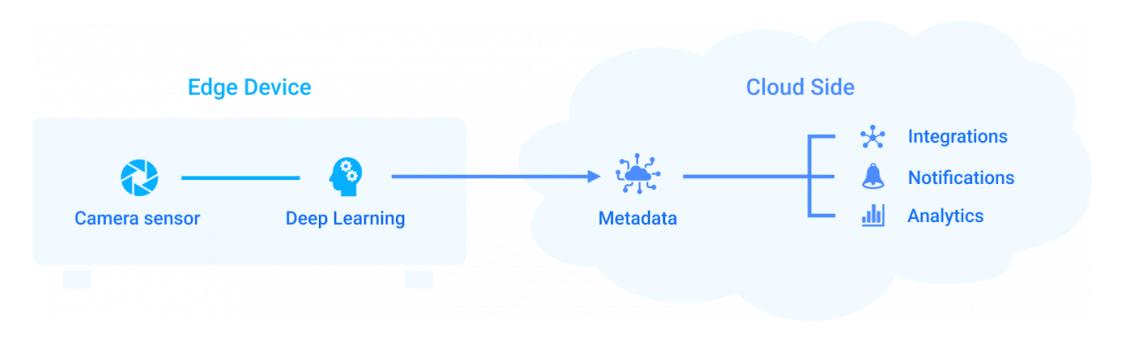
Edge computing systems typically operate through multiple layers. Devices like sensors or cameras generate raw data, which is then processed by nearby edge nodes or gateways. Only critical or aggregated data is sent to the cloud for deeper analysis or long-term storage. This structure allows organizations to balance real-time responsiveness with the scalability of centralized systems.
Real-World Applications Across Industries
Edge computing is already being used across a wide range of industries in the United States. In healthcare, wearable devices and monitoring systems analyze patient data locally to provide immediate alerts. In transportation, autonomous systems rely on edge processing to interpret sensor data in real time. Retail environments use edge analytics to track customer behavior and optimize operations, while manufacturing facilities leverage it for predictive maintenance and operational efficiency.
Key Benefits of Edge Computing
Edge computing offers several important advantages. It significantly reduces latency by processing data close to its source, enabling faster responses. It improves reliability by allowing systems to operate even with limited connectivity. It also reduces bandwidth usage, as only necessary data is transmitted to the cloud. Additionally, keeping sensitive data local can enhance privacy and security, which is increasingly important in regulated industries.
Edge Computing vs Cloud Computing
Edge computing is not a replacement for cloud computing but rather a complementary approach. While edge systems handle real-time processing and immediate decision-making, cloud platforms remain essential for large-scale data storage, advanced analytics, and machine learning. Together, they form a hybrid model that maximizes both performance and scalability.
Challenges and Considerations
Despite its benefits, edge computing introduces certain challenges. Deploying distributed infrastructure can require significant investment, and managing multiple edge devices adds complexity. Security is also a concern, as a larger number of endpoints increases the potential attack surface. Organizations must carefully plan their architecture and implement strong security practices to mitigate these risks.
Future Outlook
As digital transformation accelerates, edge computing is expected to become a foundational component of modern IT infrastructure. The continued growth of connected devices, combined with advancements in artificial intelligence and networking technologies, will further drive adoption. Businesses that integrate edge capabilities early are better positioned to deliver faster services, improve operational efficiency, and remain competitive in a data-driven economy.
Conclusion
Edge computing represents a meaningful shift in how data is handled in today’s digital environment. By bringing processing closer to where data is created, it enables faster insights, more efficient operations, and improved user experiences. As organizations continue to adapt to increasing data demands, edge computing will play a critical role in shaping the future of technology and how information is used in real time.
FAQs
More Articles
How AI is Revolutionizing Healthcare: From Diagnosis to Treatment
4 min read | 15 May 2026

The Intersection of AI and Ethics in Autonomous Weapon Systems
6 min read | 14 May 2026

AI and Big Data: Harnessing Information for Strategic Decision Making
7 min read | 13 May 2026

AI in Personalized Medicine: Tailoring Treatments to Individual Patients
4 min read | 12 May 2026
More Articles

Regulation or Innovation? Navigating the Legal Landscape of Blockchain
5 min read | 07 Apr 2026

Security Concerns in the Blockchain Landscape: Mitigating Risks and Building Trust
5 min read | 06 Apr 2026
Blockchain's Scalability Challenge: Can it Handle Mass Adoption?
7 min read | 05 Apr 2026

Blockchain Use Cases Beyond Finance: Healthcare, Real Estate, and More
6 min read | 04 Apr 2026