
Artificial Intelligence and Decision-Making: How Data Is Shaping the Next Generation of Tools
9 min read
04 Jun 2026
 By Sayan Gosh
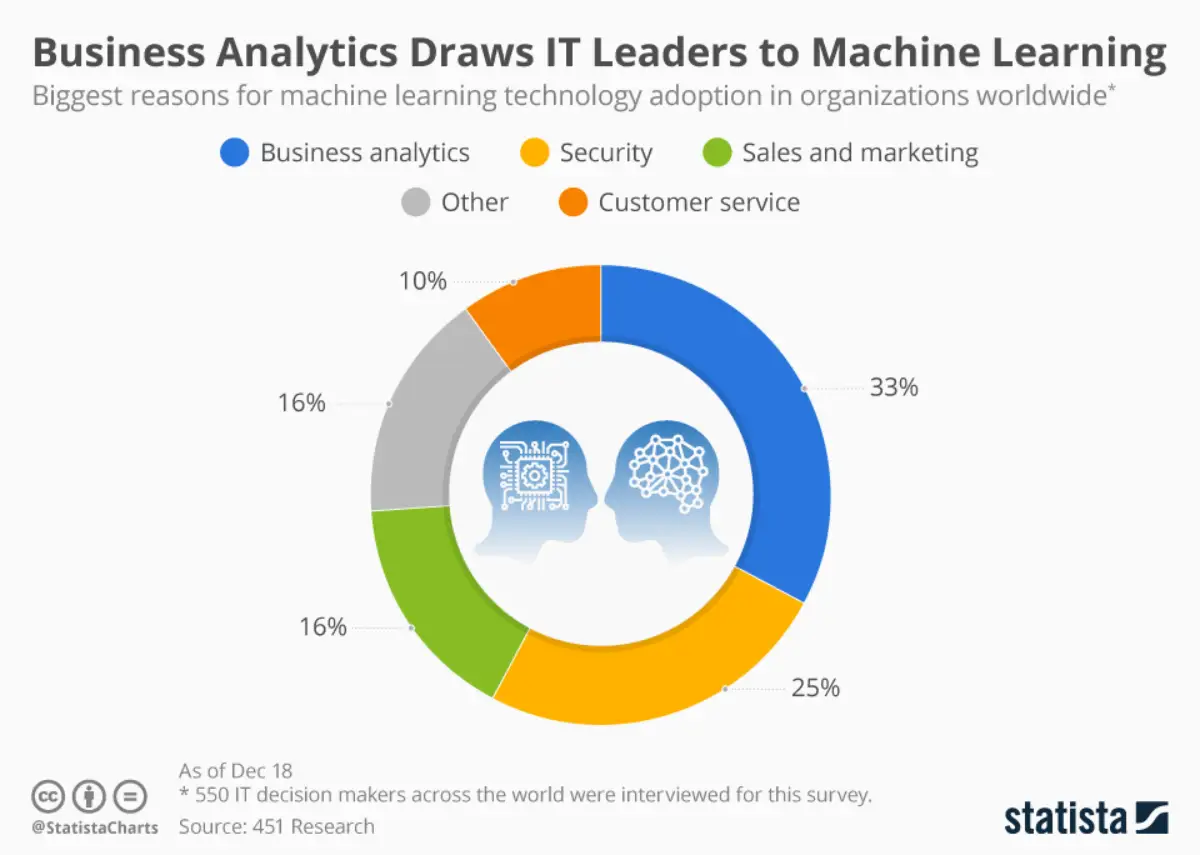
Artificial intelligence is transforming how individuals and organizations make decisions by analyzing vast datasets and identifying meaningful patterns. Modern AI tools support forecasting, operational planning, healthcare diagnostics, and financial analysis. By combining machine learning algorithms with real-world data, businesses and professionals gain insights that improve accuracy, efficiency, and strategic planning across industries.
The Growing Role of Data in Modern Decision-Making
In today’s digital economy, organizations generate enormous volumes of data through transactions, digital interactions, and operational systems. Artificial intelligence enables businesses to transform that data into actionable insights, allowing decision-makers to identify trends, forecast outcomes, and improve operational efficiency.
Historically, many decisions relied on experience and intuition. While expertise remains essential, AI systems can now analyze millions of data points in seconds, revealing patterns that might otherwise remain hidden.
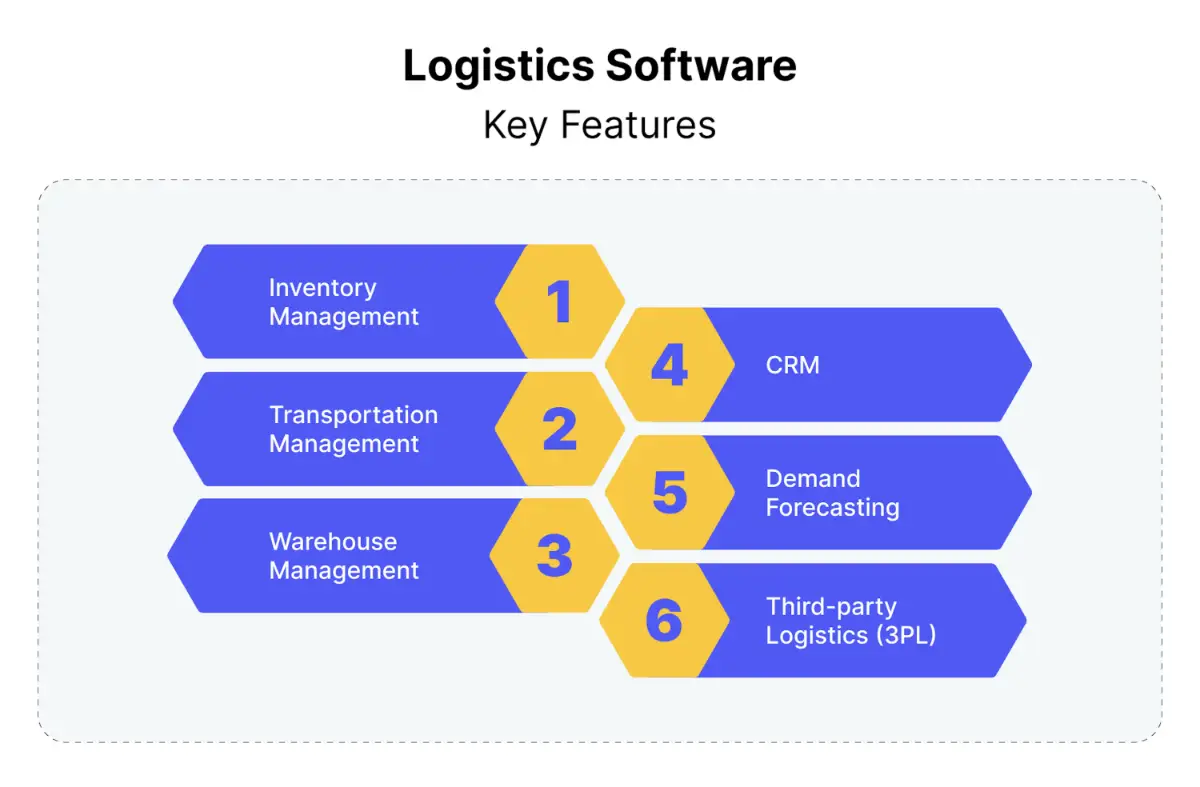
For example, retailers analyze purchasing patterns to predict demand for products. Hospitals analyze patient records to identify risk factors for disease. Logistics companies examine transportation data to optimize delivery routes.
According to research from the International Data Corporation (IDC), the global volume of data is expected to exceed 175 zettabytes by the end of the decade. Managing and interpreting this data requires sophisticated tools capable of identifying meaningful patterns quickly.
Artificial intelligence provides the computational power necessary to make sense of this growing data landscape.
How AI Systems Support Smarter Business Decisions
Artificial intelligence systems support decision-making by combining statistical analysis with machine learning models trained on historical data.
These systems typically follow several steps:
Collect large datasets from operational systems Identify patterns or correlations within the data Generate predictions or recommendations Present insights through dashboards or automated reports
For example, a retail company might use AI tools to analyze past sales data and predict which products are likely to sell during the upcoming holiday season. These forecasts help managers decide how much inventory to stock and where to distribute products.
Similarly, financial institutions rely on AI-powered analytics to evaluate loan applications and identify potential fraud risks.
These tools do not replace decision-makers but provide data-driven insights that support more informed choices.
AI in Healthcare Data-Driven Clinical Decisions
Healthcare organizations are increasingly using artificial intelligence to improve patient outcomes and clinical decision-making.
Hospitals collect large amounts of data from medical imaging, electronic health records, and diagnostic tests. AI systems can analyze this information to detect patterns associated with disease progression or treatment outcomes.
Examples of AI-supported healthcare decisions include:
Identifying early signs of disease in medical images Predicting hospital readmission risks Recommending personalized treatment options Monitoring patient vital signs in real time
For example, machine learning models trained on medical imaging datasets can assist radiologists in identifying potential abnormalities in scans. These tools help clinicians review images more efficiently while maintaining human oversight.
Research published in medical journals such as The Lancet Digital Health highlights how AI-assisted diagnostics can support physicians by identifying patterns across large datasets.
Financial Forecasting and Risk Analysis
Artificial intelligence has become an essential tool in financial decision-making. Financial institutions analyze large datasets related to market activity, transaction histories, and economic indicators.
AI models help analysts forecast potential market trends and identify risks before they become significant problems.
Common financial applications of AI include:
Fraud detection and transaction monitoring Credit risk evaluation Investment portfolio analysis Financial forecasting and market trend prediction
For example, banks use machine learning models to detect suspicious transactions that may indicate fraud. These systems analyze spending patterns and geographic data to flag unusual activity in real time.
By processing massive volumes of financial data, AI systems allow institutions to detect risks earlier and respond more quickly.
AI and Operational Planning
Operational planning is another area where AI-powered decision tools provide measurable value.
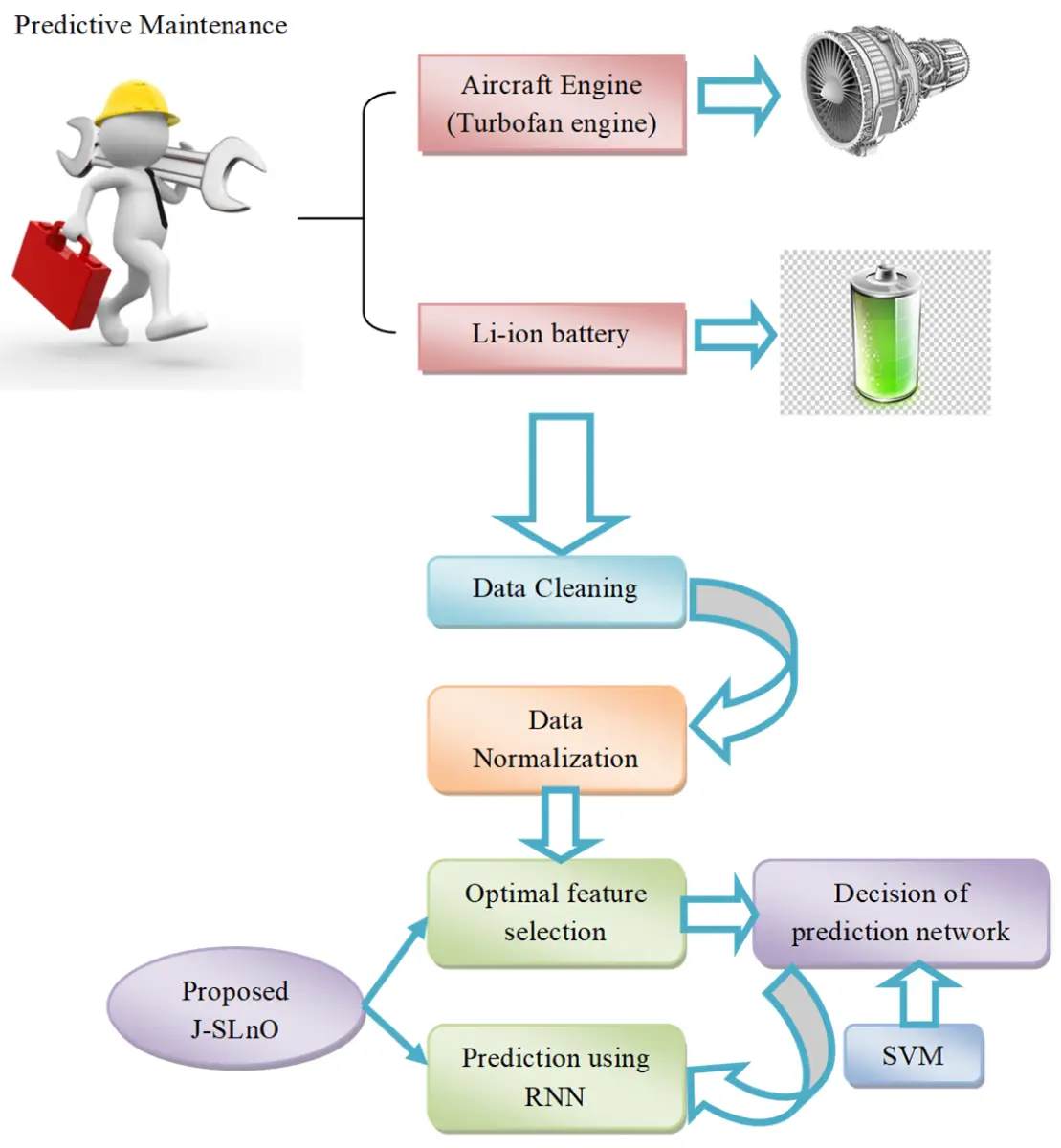
Manufacturing companies use predictive analytics to monitor equipment performance and forecast maintenance needs. Retailers analyze supply chain data to anticipate shipping delays or inventory shortages.
Examples of AI-supported operational decisions include:
Predictive maintenance scheduling Supply chain demand forecasting Workforce planning and staffing analysis Logistics route optimization
For instance, logistics companies analyze traffic patterns, weather forecasts, and delivery histories to identify the most efficient routes for transportation networks.
These systems reduce delays, improve resource allocation, and help organizations respond quickly to unexpected disruptions.
The Role of Data Visualization in AI Decision Tools
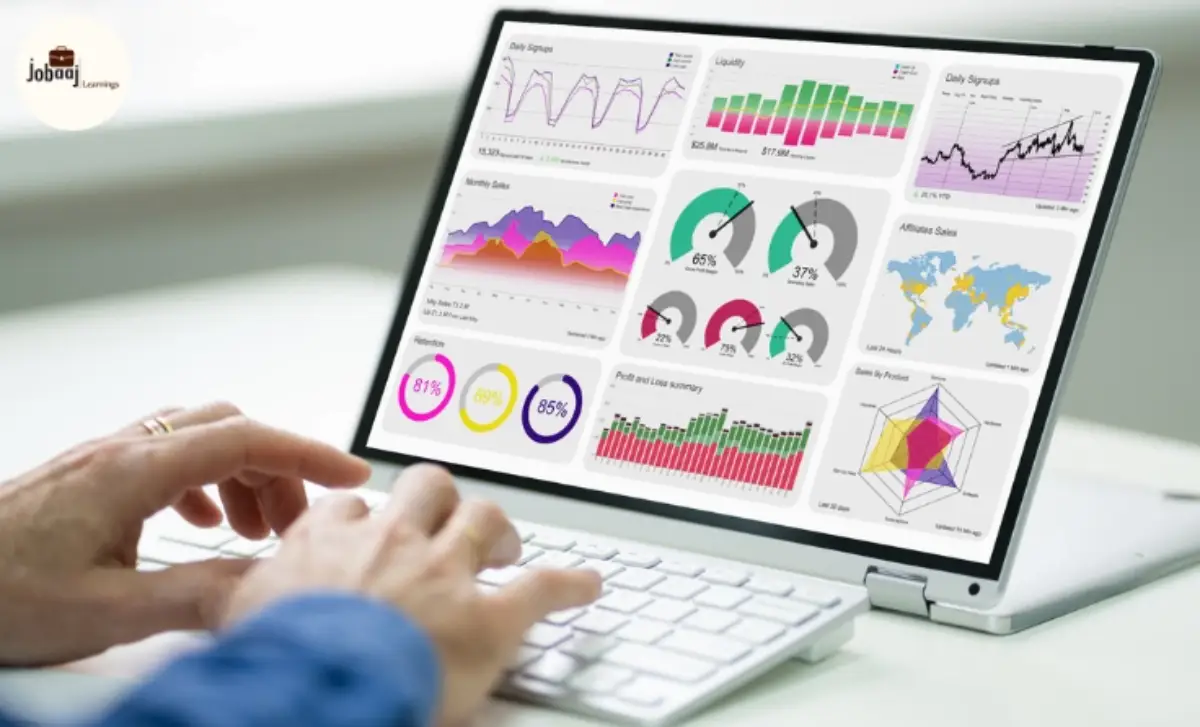
Artificial intelligence systems often produce complex insights derived from large datasets. To make these insights accessible, many AI platforms include advanced data visualization tools.
Dashboards, charts, and interactive visualizations allow decision-makers to interpret AI-generated insights quickly.
Examples of visualization tools used in AI platforms include:
Real-time analytics dashboards Predictive trend charts Interactive business intelligence reports Automated alerts based on key metrics
For example, a marketing team may use an analytics dashboard to track customer engagement across multiple digital channels. The system highlights patterns such as increased demand for certain products or declining engagement in specific regions.
By presenting complex data in a visual format, AI tools make it easier for professionals to interpret insights and make timely decisions.
Ethical and Governance Considerations in AI Decision Systems
As AI systems influence more business and public policy decisions, questions about transparency and accountability have become increasingly important.
AI-driven recommendations can affect areas such as credit approvals, hiring decisions, and healthcare treatment planning. Ensuring fairness and transparency in these systems is essential.
Responsible AI governance often includes:
Monitoring algorithms for potential bias Ensuring transparency in automated recommendations Protecting personal and financial data Maintaining human oversight for critical decisions
Regulators and policymakers are increasingly focusing on these issues. Government agencies and industry groups continue developing guidelines to ensure AI systems operate responsibly and ethically.
Organizations that adopt clear governance frameworks are better positioned to maintain public trust while benefiting from AI technologies.
Frequently Asked Questions
What is AI-driven decision-making? AI-driven decision-making refers to the use of machine learning algorithms and data analysis tools to generate insights that support human decision-making.
How does artificial intelligence analyze data? AI systems use statistical models and machine learning algorithms to detect patterns and relationships within large datasets.
Can AI make decisions without human involvement? In some cases AI systems automate routine decisions, but most organizations maintain human oversight for important or high-risk decisions.
What industries benefit most from AI decision tools? Industries with large datasets—such as healthcare, finance, logistics, retail, and manufacturing—benefit significantly from AI-driven analytics.
How accurate are AI predictions? AI predictions can be highly accurate when trained on large, high-quality datasets, but results depend on the data and model design.
Are AI decision systems regulated? Many governments are developing regulatory frameworks addressing transparency, fairness, and data protection in AI systems.
Can small businesses use AI decision tools? Yes. Many cloud-based analytics platforms provide AI-driven forecasting and reporting tools accessible to smaller organizations.
What are the risks of relying on AI for decisions? Risks include data bias, inaccurate predictions, and overreliance on automated recommendations without human review.
How does data quality affect AI performance? High-quality, well-structured data is essential for reliable AI predictions and insights.
Understanding the Balance Between Data and Human Judgment
Artificial intelligence has dramatically expanded the ability of organizations to analyze data and generate insights. However, effective decision-making still requires human expertise.
AI systems excel at identifying patterns across large datasets, but they lack contextual understanding, ethical reasoning, and strategic judgment. Human professionals interpret these insights within broader organizational goals and societal considerations.
The most effective decision-making environments combine data-driven insights with human expertise. Professionals use AI-generated analysis as a starting point, applying experience and judgment to determine the best course of action.
When Data Becomes a Strategic Asset
The next generation of AI decision tools will likely focus on improving transparency, reliability, and usability. As organizations generate more data than ever before, the ability to interpret that information quickly will become increasingly valuable.
Companies that successfully integrate AI decision systems typically focus on three priorities:
Building reliable data infrastructure Training employees to interpret analytics tools Maintaining strong governance frameworks
When these elements are aligned, artificial intelligence becomes a powerful tool for informed decision-making rather than an opaque automated system.
In this way, AI is not simply replacing traditional decision processes—it is reshaping how organizations understand and act on information.
Signals That Data-Driven Decisions Are Becoming Standard
AI analytics tools are increasingly integrated into business software Predictive models support forecasting across multiple industries Data visualization dashboards make complex insights easier to interpret Ethical governance is becoming central to AI adoption Human expertise remains essential for interpreting automated insights
FAQs
More Articles

Motorola Moto G84 5G: A Mid-Range Marvel with 5G Connectivity
3 min read | 28 Dec 2025

Nest Thermostat Pro: Smart Home Climate Control at Its Best
5 min read | 27 Dec 2025

Wireless Earbuds Showdown: Comparing the Latest Audio Gadgets
3 min read | 26 Dec 2025

The Hottest Tech Trends: From VR Headsets to Drone Cameras
3 min read | 25 Dec 2025
More Articles