
Edge Computing Explained: How Decentralized Data Is Redefining Speed and Efficiency
9 min read
05 Jun 2026
 By Lewis Adam
Edge computing is transforming how data is processed by bringing computation closer to where information is generated. Instead of relying solely on centralized cloud servers, businesses and systems now process data locally, reducing delays and improving efficiency. This shift is especially important in a world driven by real-time insights, where speed, reliability, and responsiveness are critical to performance and user experience.
What Is Edge Computing?
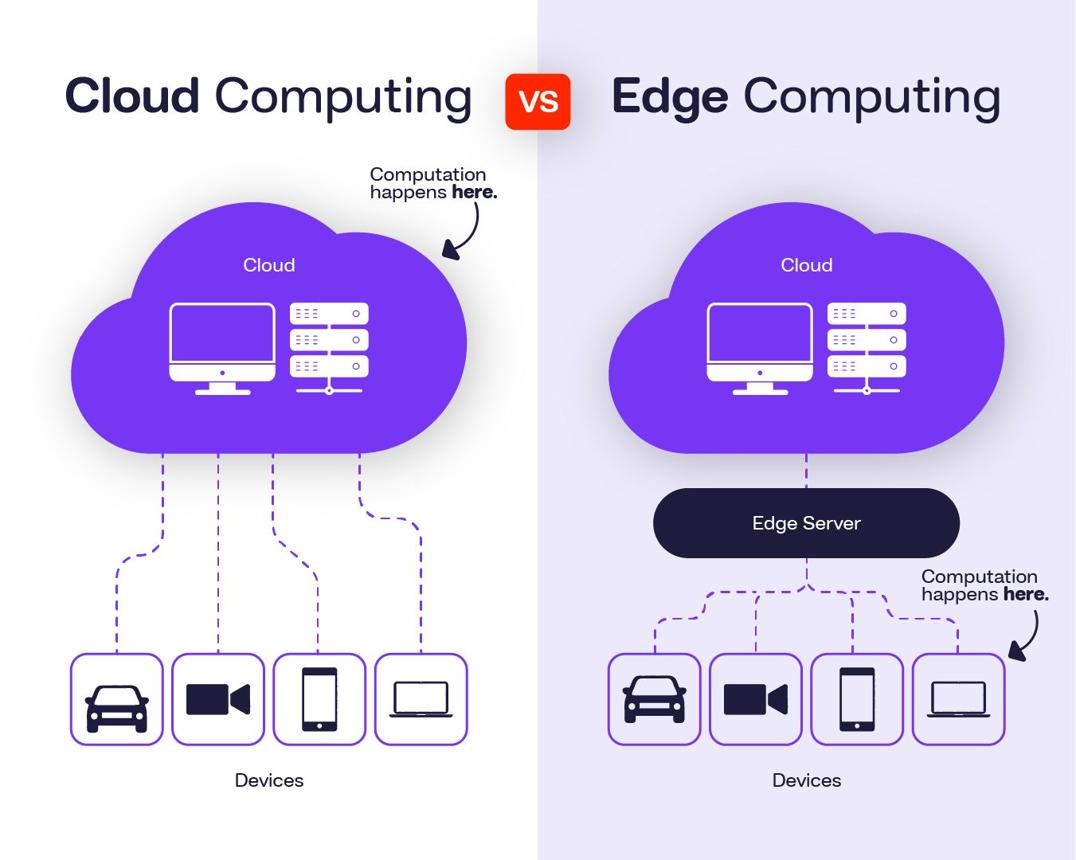
Edge computing refers to a distributed computing model where data processing occurs near the data source rather than in a centralized data center. This approach minimizes the distance data must travel, reducing latency and enabling faster decision-making. It is commonly used alongside cloud computing, creating a hybrid system that balances local processing with centralized storage and analytics.
Why Edge Computing Matters Today
Modern digital environments generate massive amounts of data from devices such as smartphones, sensors, and connected machines. Sending all of this data to the cloud can create bottlenecks, increase costs, and introduce delays. Edge computing addresses these challenges by processing data locally, which is particularly valuable for applications that require immediate responses.
Key reasons why edge computing is gaining importance include: - The rise of Internet of Things (IoT) devices - Growing demand for real-time analytics - Increased reliance on automation and smart systems - Need for reduced bandwidth usage and operational costs
How Edge Computing Works
Edge computing systems typically consist of three main components: edge devices, edge nodes, and cloud infrastructure. Edge devices, such as sensors or cameras, collect data. Edge nodes, which can be local servers or gateways, process this data nearby. Only essential or aggregated data is then sent to the cloud for long-term storage or deeper analysis.
A typical workflow includes: - Data is generated by a device - Processing occurs locally at the edge - Immediate actions are taken if needed - Selected data is transmitted to centralized systems
Real-World Applications of Edge Computing
Edge computing is already being used across multiple industries to improve efficiency and responsiveness.
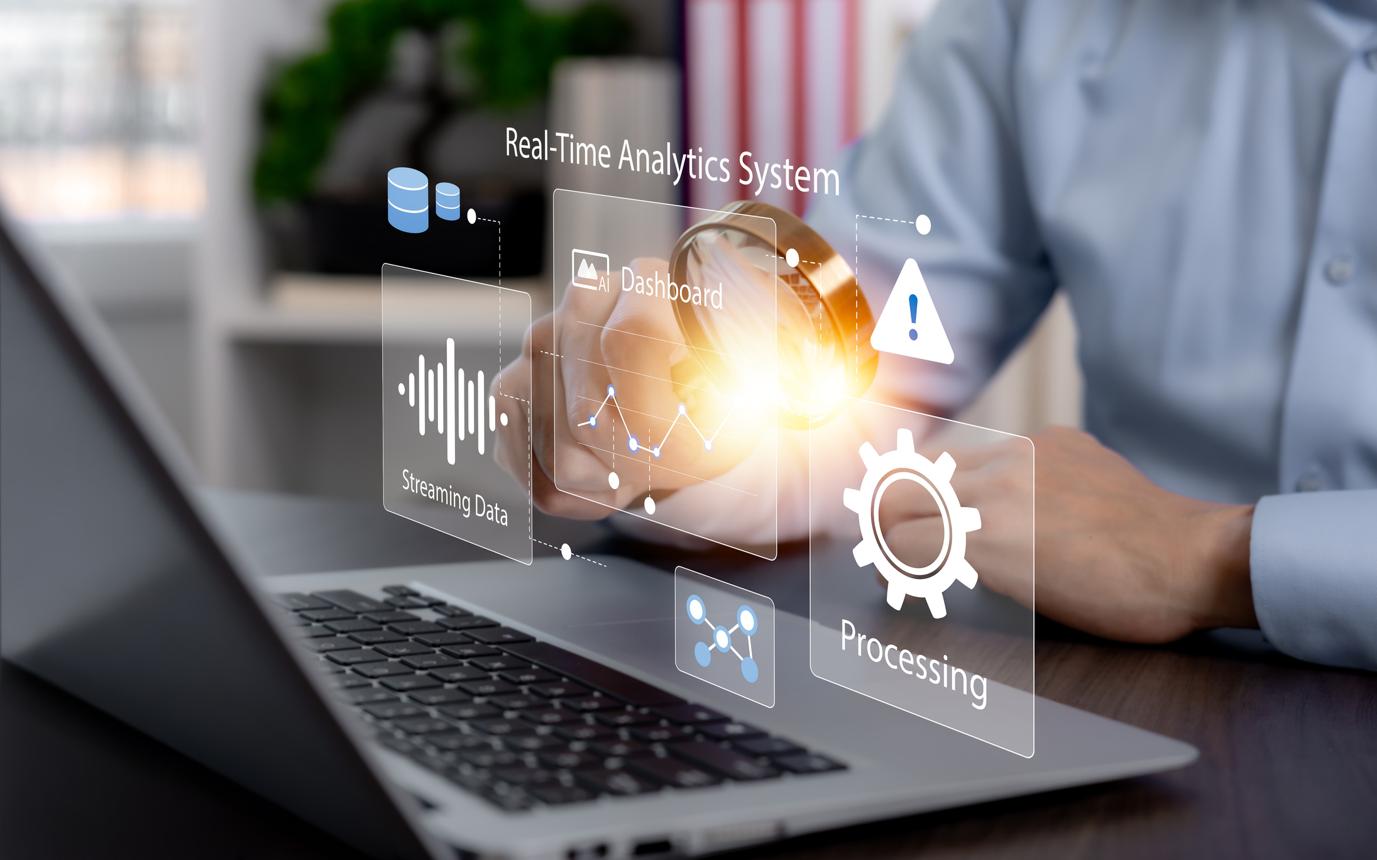
In manufacturing, edge systems monitor equipment performance in real time, allowing for predictive maintenance and reducing downtime. In healthcare, wearable devices analyze patient data instantly, enabling faster responses to health issues. Autonomous vehicles rely heavily on edge computing to process sensor data instantly, ensuring safe navigation without relying on distant servers.
Retail businesses use edge computing to analyze customer behavior in stores, enabling personalized experiences and efficient inventory management. Similarly, smart cities leverage edge infrastructure to manage traffic, energy usage, and public safety systems in real time.
Edge Computing vs Cloud Computing
While edge computing and cloud computing are often compared, they are not competing technologies. Instead, they complement each other in modern IT architectures.
Cloud computing excels in large-scale data storage, advanced analytics, and centralized management. Edge computing, on the other hand, focuses on speed, local processing, and real-time responsiveness. Together, they create a balanced system where each handles tasks best suited to its strengths.
Benefits of Edge Computing
Organizations are adopting edge computing for several practical advantages:
- Faster data processing and reduced latency
- Lower bandwidth costs due to reduced data transfer
- Improved reliability in environments with limited connectivity
- Enhanced data privacy by keeping sensitive information local
- Greater scalability through distributed systems
These benefits are particularly important for industries where delays can impact safety, efficiency, or user experience.
Challenges and Considerations
Despite its advantages, edge computing introduces new complexities. Managing a distributed network of devices requires careful planning and expertise. Security is another concern, as more endpoints can increase vulnerability if not properly protected.
Additionally, the initial investment in hardware and infrastructure can be significant. Organizations must also ensure that data remains consistent across edge and cloud systems, which can be challenging in large-scale deployments.
The Role of 5G in Edge Computing
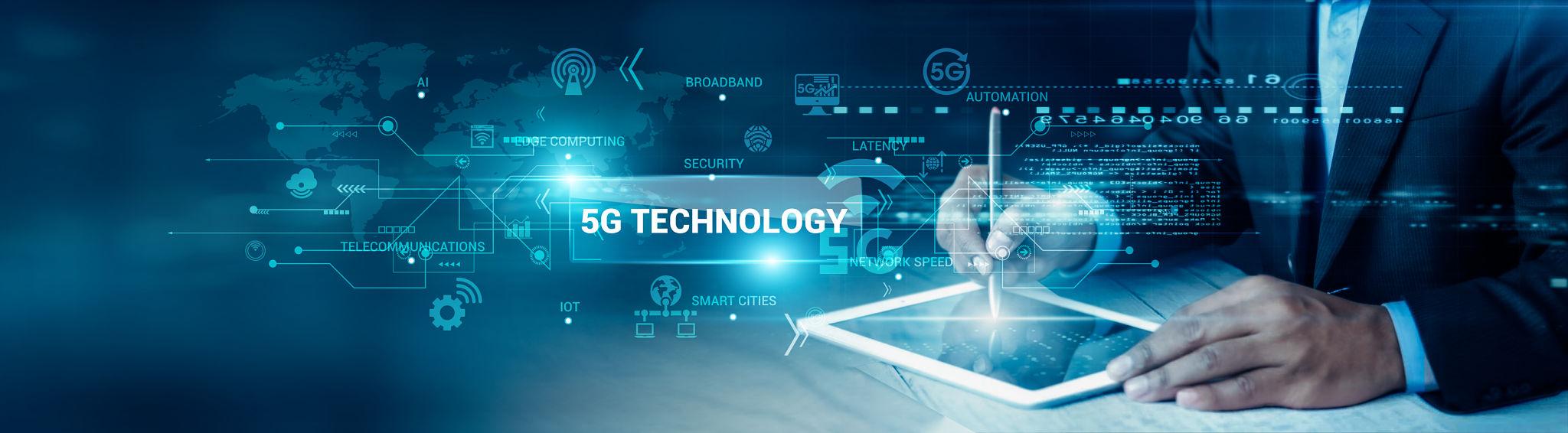
The expansion of 5G networks is accelerating the adoption of edge computing by enabling faster data transmission and lower latency. With higher bandwidth and improved connectivity, 5G allows edge devices to operate more efficiently, especially in environments with a high density of connected devices.
This combination of edge computing and 5G is driving innovation in areas such as smart cities, autonomous transportation, and advanced industrial automation.
Future Outlook of Edge Computing
As data generation continues to grow, edge computing is expected to become an integral part of digital infrastructure. Businesses are increasingly investing in decentralized systems to improve responsiveness and reduce dependence on centralized data centers.
Emerging trends include the integration of artificial intelligence at the edge, expansion of IoT ecosystems, and increased adoption of real-time analytics across industries. These developments will further enhance the ability of organizations to process data quickly and make informed decisions.
Conclusion
Edge computing represents a fundamental shift in how data is processed and utilized in modern systems. By bringing computation closer to the source of data, it enables faster, more efficient, and more reliable operations. As organizations continue to adopt this decentralized approach, edge computing will play a critical role in shaping the future of technology, supporting real-time applications, and driving innovation across industries.
FAQs
More Articles

Artificial Neural Networks: The Technology That's Changing Everything
6 min read | 24 Mar 2026

Cognitive Computing: The Next Big Thing in AI?
5 min read | 23 Mar 2026
Intelligent Automation: How Robots Are Taking Over Mundane Tasks
6 min read | 22 Mar 2026

Robotic Process Automation (RPA) – Is Your Job at Risk?
6 min read | 21 Mar 2026
More Articles

DAOs: Redefining Governance with Decentralized Autonomous Organizations
5 min read | 13 Apr 2026

NFTs: Beyond Digital Art - The Tokenization Revolution
5 min read | 12 Apr 2026

The Metaverse Beckons: How Blockchain Will Shape Virtual Worlds
5 min read | 11 Apr 2026

The Rise of Web3: Decentralized Internet on the Blockchain
7 min read | 10 Apr 2026