
Intelligent Automation: How Robots Are Taking Over Mundane Tasks
5 min read
22 Mar 2026
 By Neha Jain
Intelligent Automation refers to the integration of artificial intelligence (AI) and robotic process automation (RPA) to streamline and automate routine tasks. This article explores the impact of intelligent automation on workplaces, the benefits it offers, and the future trends shaping this transformative technology.
Understanding Intelligent Automation
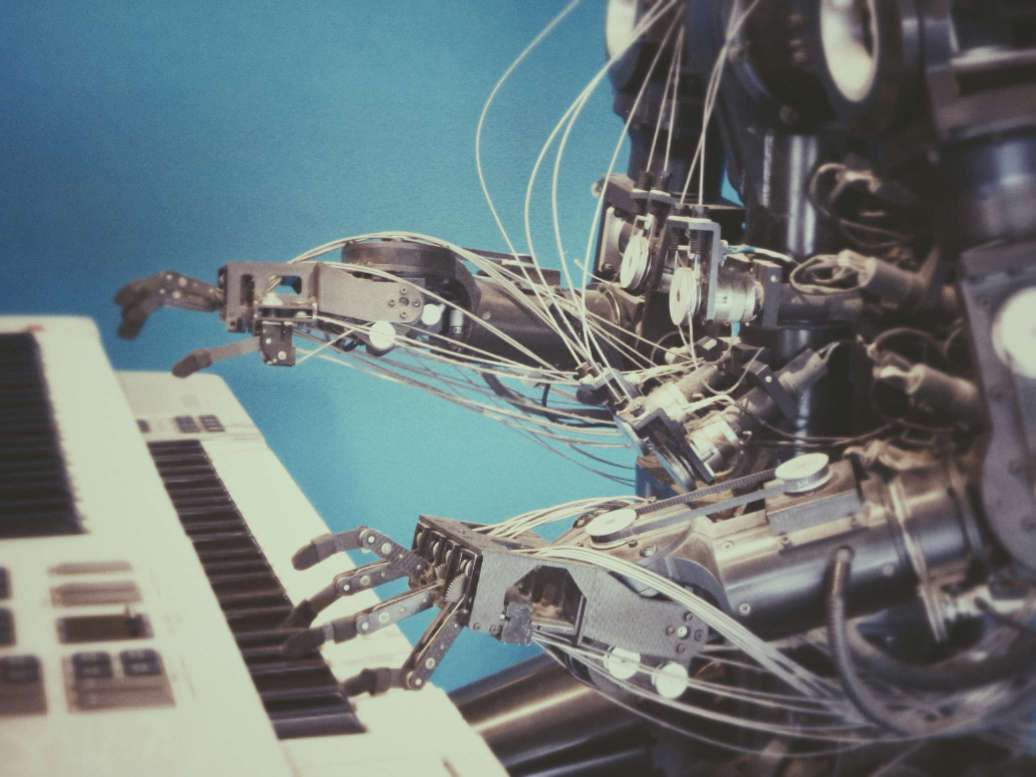
Intelligent automation combines AI-powered decision-making with RPA's ability to execute repetitive tasks, creating a seamless workflow that enhances efficiency and accuracy in business operations. It involves cognitive capabilities such as natural language processing, machine learning, and predictive analytics to automate complex processes.
Benefits of Intelligent Automation
Enhanced Efficiency: Automating mundane tasks allows employees to focus on strategic initiatives and innovation.
Cost Savings: Reducing operational costs associated with manual labor and minimizing errors in routine processes.
Scalability: Scaling operations effortlessly to accommodate growing business demands without significant increases in workforce size.
Improved Accuracy: Ensuring consistent and error-free execution of tasks through AI-driven decision-making and robotic precision.
Impact on Workplaces
Job Transformation: Shifting job roles from repetitive tasks to higher-value activities that require human judgment and creativity.
Workforce Productivity: Augmenting workforce capabilities by enabling employees to leverage AI and RPA tools for enhanced productivity.
Skill Development: Encouraging continuous learning and upskilling to adapt to evolving technologies and new job responsibilities.
Challenges and Considerations
Workforce Transition: Managing workforce transitions and addressing concerns about job displacement through proactive training and support programs.
Data Security: Ensuring robust cybersecurity measures to protect sensitive data processed and stored by intelligent automation systems.
Ethical Implications: Addressing ethical considerations related to AI decision-making, transparency, and accountability in automated processes.
Future Trends
As intelligent automation continues to evolve, advancements in AI, machine learning, and RPA will drive innovation across industries. Organizations that strategically integrate intelligent automation into their operations can achieve greater agility, competitiveness, and resilience in a rapidly changing digital landscape.
FAQs
More Articles

Introduction to AI and Machine Learning: A Beginner's Guide
6 min read | 06 Mar 2026

The New Social Frontier: How VR Is Shaping the Future of Online Communities
12 min read | 09 Jun 2026

From Chat Rooms to Virtual Worlds: The Next Phase of Digital Social Spaces
12 min read | 08 Jun 2026

Connecting in 3D: What the Rise of VR Social Platforms Means for Everyday Life
12 min read | 07 Jun 2026
More Articles

Ethics in AI: Balancing Innovation and Responsibility
4 min read | 03 Jun 2026

Tech Startups: Innovation and Disruption in the Digital Age
3 min read | 02 Jun 2026

The Role of Big Data in Shaping Modern Businesses
4 min read | 01 Jun 2026

Augmented Reality (AR) in Retail: Enhancing Customer Experience
4 min read | 31 May 2026