
From Chat Rooms to Virtual Worlds: The Next Phase of Digital Social Spaces
12 min read
08 Jun 2026
 By Neha Jain
Digital social spaces have evolved from simple chat rooms into immersive, persistent environments that redefine how people connect, collaborate, and communicate. This transformation reflects advances in technology and shifting user expectations. Understanding this evolution helps individuals and businesses adapt to new forms of interaction, identity, and community-building in an increasingly digital-first world.
The Evolution of Online Interaction

The history of digital communication begins with text-based chat rooms, where users gathered anonymously to exchange ideas and build early online communities. Platforms like IRC and early messaging boards emphasized simplicity, relying entirely on text. Despite their limitations, they laid the foundation for digital social behavior and community norms.
As internet infrastructure improved, social platforms expanded to include multimedia features such as images, video, and real-time messaging. This shift allowed users to express themselves more fully and interact more dynamically. Over time, digital spaces transitioned from static communication tools to interactive environments designed for engagement and presence.
What Defines Modern Digital Social Spaces
Modern digital social spaces are no longer limited to communication—they are immersive environments where users can interact in real time. These platforms prioritize presence, allowing users to feel as though they are sharing a space rather than simply exchanging messages.
Key characteristics include persistent environments that continue to exist even when users are offline, avatar-based identities that enhance self-expression, and real-time interaction that mimics physical-world communication. Additionally, user-generated content plays a central role, allowing communities to shape and evolve their environments organically.

Why Virtual Worlds Are Gaining Momentum
Several factors are contributing to the rise of immersive digital environments. One major driver is the growing dissatisfaction with traditional social media platforms, where passive consumption often replaces meaningful interaction. Virtual spaces offer a more engaging alternative, encouraging participation and collaboration.
The rise of remote work has also accelerated adoption. Virtual environments provide a sense of presence that standard video calls cannot replicate, making them valuable for team collaboration and communication. At the same time, advancements in graphics technology, cloud computing, and connectivity have made these experiences more accessible to a wider audience.
Real-World Applications of Virtual Social Spaces
The impact of virtual social spaces extends beyond entertainment. In the workplace, companies are experimenting with virtual offices that allow employees to collaborate in shared digital environments. These spaces enable more natural interactions compared to traditional remote work tools.
In education, immersive platforms are transforming online learning by enabling interactive simulations and collaborative experiences. Events and conferences are also evolving, with virtual environments offering networking opportunities and interactive sessions that go beyond standard webinars.
Social communities, too, are becoming more immersive. Instead of participating in static discussion threads, users can gather in shared spaces, attend live events, and build ongoing relationships in ways that feel more authentic and engaging.
How Identity and Presence Are Changing Online
One of the most significant developments in modern digital spaces is the shift in how identity is expressed. Traditional profiles are being replaced by dynamic avatars that allow users to represent themselves in more creative and personalized ways.
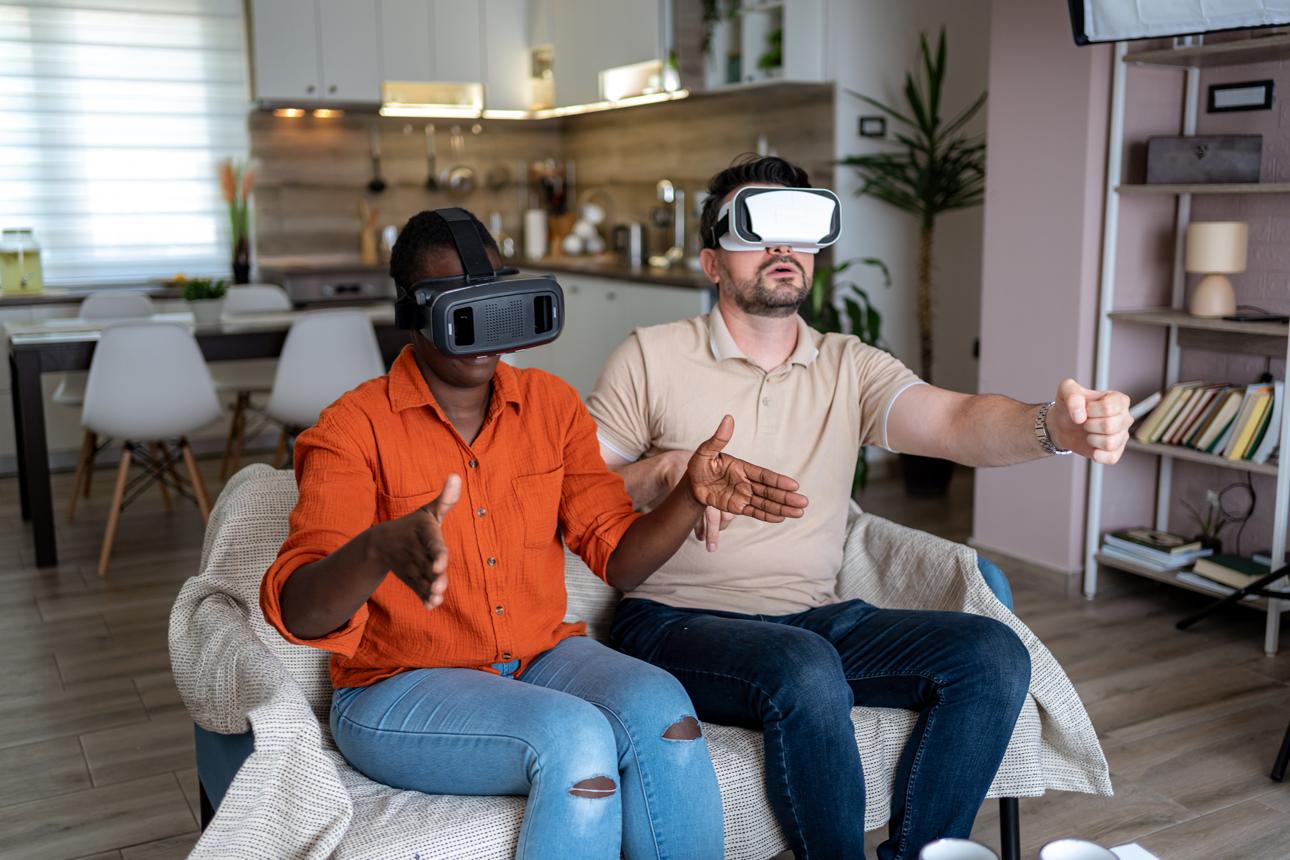
These avatars enable users to communicate through movement, gestures, and shared activities, creating a stronger sense of presence. This evolution enhances emotional connection but also introduces new questions about authenticity and digital behavior.
Privacy, Safety, and Ethical Considerations
As digital environments become more immersive, privacy and safety concerns are becoming increasingly complex. Virtual platforms can collect detailed data, including user behavior, movement, and interactions, raising important questions about data protection and transparency.
Moderation also presents new challenges, as real-time, three-dimensional environments require more advanced systems to manage behavior and ensure safe interactions. Additionally, the potential impact on mental well-being must be considered, particularly as users spend more time in immersive spaces.
What This Means for Businesses and Creators
For businesses, virtual social spaces represent a new frontier for engagement. Brands can create interactive experiences, host virtual events, and connect with audiences in more meaningful ways. However, these opportunities come with challenges, including high development costs and evolving platform standards.
Success in these environments depends on delivering genuine value rather than relying on novelty. Users are more likely to engage with experiences that feel relevant, useful, and authentic.
The Role of Community in the Next Phase
Community remains at the core of digital social spaces, but its role is evolving. In modern environments, users are not just participants—they are creators and contributors. Communities actively shape the spaces they inhabit, influencing both content and culture.
This shift reflects a broader trend toward participatory digital ecosystems, where ownership and collaboration play a central role in defining user experiences.
Challenges Slowing Adoption
Despite their potential, virtual social spaces face several barriers to widespread adoption. Hardware limitations remain a key challenge, as not all users have access to advanced devices required for immersive experiences.
Additionally, onboarding can be complex for new users, and the lack of standardization across platforms creates fragmentation. Trust issues, including concerns about privacy and long-term platform stability, also influence user adoption.
What the Future Likely Holds
The future of digital social spaces is likely to involve integration rather than replacement. Instead of replacing existing platforms, immersive environments will complement them, offering users multiple ways to connect depending on context.
Emerging trends include hybrid platforms that combine text, video, and immersive interaction, as well as increased use of artificial intelligence to enhance personalization and moderation. As technology continues to evolve, accessibility will improve, making these experiences more mainstream.
Conclusion
The journey from chat rooms to virtual worlds reflects a broader transformation in how people experience digital connection. Today’s social spaces are no longer just tools for communication—they are environments for shared experiences, collaboration, and community-building. As these platforms continue to evolve, their success will depend on balancing innovation with usability, ensuring privacy and safety, and prioritizing meaningful human interaction above all else.
FAQs
More Articles

Revolutionize Your IT Strategy with Cloud Orchestration – Here’s How!
4 min read | 12 Mar 2026

Neuroethics: Ethical Considerations in Brain-Computer Interfaces
4 min read | 11 Mar 2026

The Future of Cryptographic Algorithms in Data Security
5 min read | 10 Mar 2026

Digital Twins in Manufacturing: Optimizing Production Processes
5 min read | 09 Mar 2026
More Articles

The Ethics of VR: Exploring the Psychological Impact of Virtual Realities
6 min read | 01 Jun 2026

How AR is Being Used for Home Improvement: Visualizing Renovations and Designs
5 min read | 31 May 2026

The Future of VR Social Spaces: Meeting and Connecting in Virtual Worlds
5 min read | 30 May 2026

AR and VR in Advertising: Immersive Campaigns and Interactive Brand Experiences
7 min read | 29 May 2026