
The New Social Frontier: How VR Is Shaping the Future of Online Communities
12 min read
09 Jun 2026
 By Neha Jain
Virtual reality is transforming online communities by making digital interaction more immersive, social, and spatial. Instead of scrolling and typing, users can meet, collaborate, and build relationships in shared virtual environments. As VR technology becomes more accessible, it is redefining how Americans connect, learn, work, and socialize in meaningful ways.
Rethinking Online Communities in a Spatial Internet Era
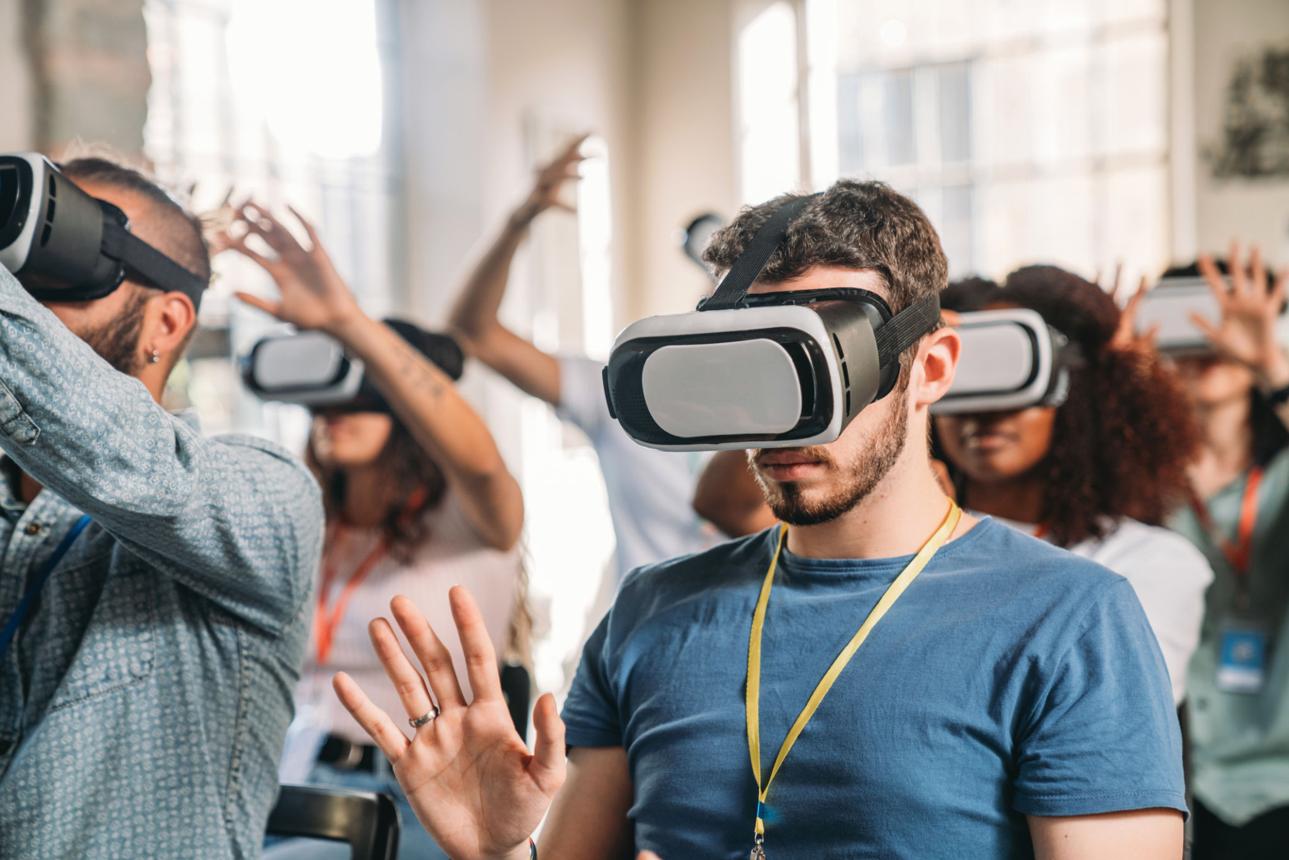
For decades, online communities have been built around text, images, and video. Social platforms enabled connection at scale, but interaction remained limited to screens and feeds. Virtual reality introduces a new layer—presence—allowing users to engage with each other in shared, three-dimensional environments rather than through flat interfaces.
This shift toward a spatial internet changes how people experience digital interaction. Instead of consuming content, users participate in environments. They can walk through virtual rooms, attend events, and interact with others in real time, creating a sense of shared experience that traditional platforms cannot replicate.
What Makes VR Communities Different
VR communities stand apart because they simulate real-world interaction. Users are represented by avatars that can move, gesture, and communicate in space. Conversations are influenced by proximity, and engagement happens in real time, making interactions feel more natural and intuitive.
These elements lead to stronger emotional engagement. People are more likely to feel present and connected when they can see movement, hear spatial audio, and interact dynamically. This creates a deeper sense of belonging compared to traditional online communities.
Key characteristics of VR communities include:
- Embodied presence through avatars
- Spatial interaction based on proximity
- Real-time communication and responsiveness
- Immersive environments that enhance context
Where VR Communities Are Growing Today
VR communities are already taking shape across multiple sectors in the United States. Social platforms allow users to gather casually, attend virtual events, and form interest-based groups. These environments function like digital public spaces where participation matters more than passive consumption.
In professional settings, VR is reshaping remote work. Virtual meeting rooms enable teams to collaborate more naturally, reducing the disconnect often felt in video calls. Users can share ideas, interact with digital tools, and engage in discussions that feel closer to in-person experiences.
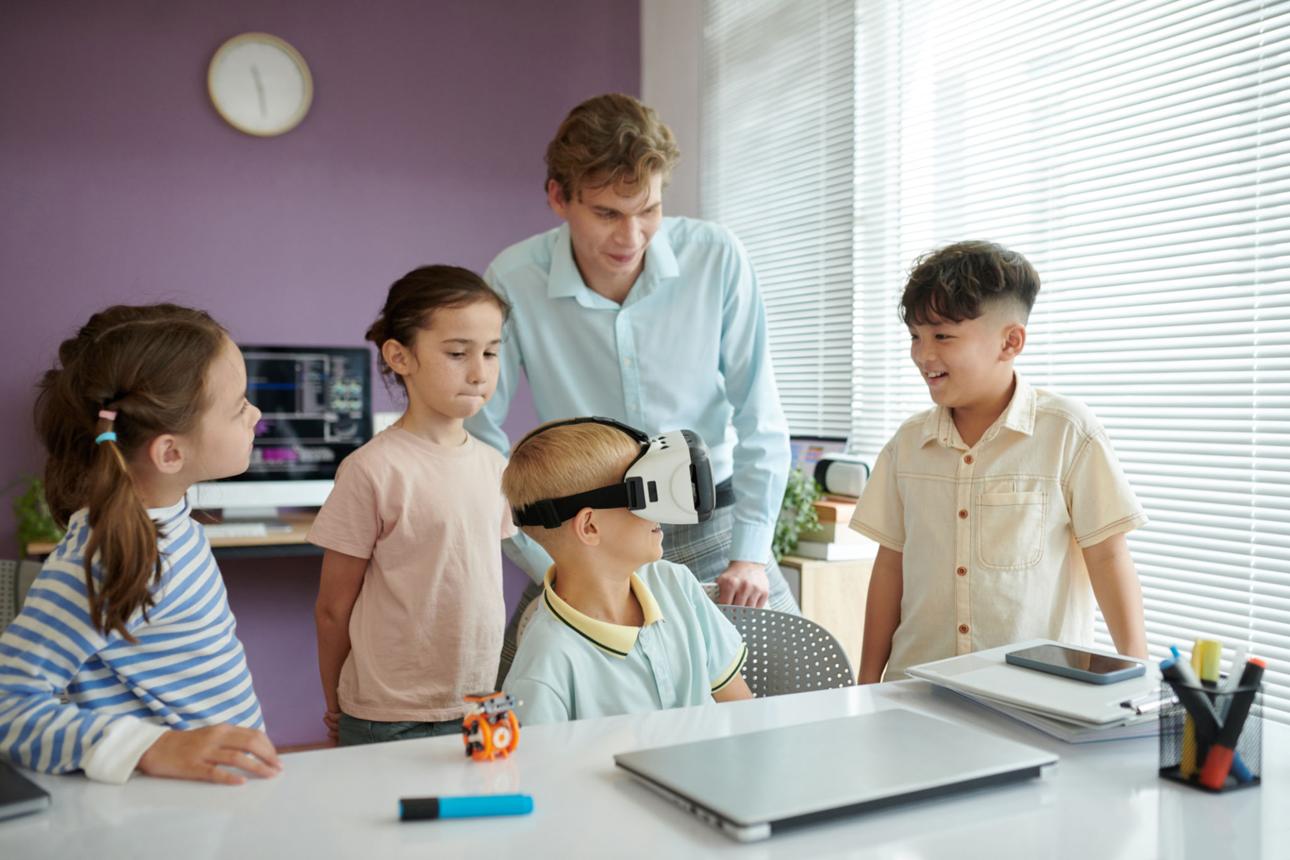
Education is another area experiencing transformation. VR enables interactive learning environments where students can explore concepts visually and collaboratively. This is particularly effective for training scenarios that benefit from hands-on simulation.
Entertainment and events are also evolving. Virtual concerts, conferences, and exhibitions allow users to participate from anywhere while maintaining a sense of shared presence with others.
Why VR Adoption Is Accelerating in the U.S.
Several factors are driving the growth of VR communities. Hardware has become more affordable and user-friendly, making it accessible to a broader audience. At the same time, remote work and digital lifestyles have increased demand for more engaging forms of interaction.
The rise of the creator economy is also playing a role. Users are looking for platforms where they can build, share, and monetize experiences. VR provides the tools to create immersive environments that go beyond traditional content formats.
How VR Is Changing Social Behavior
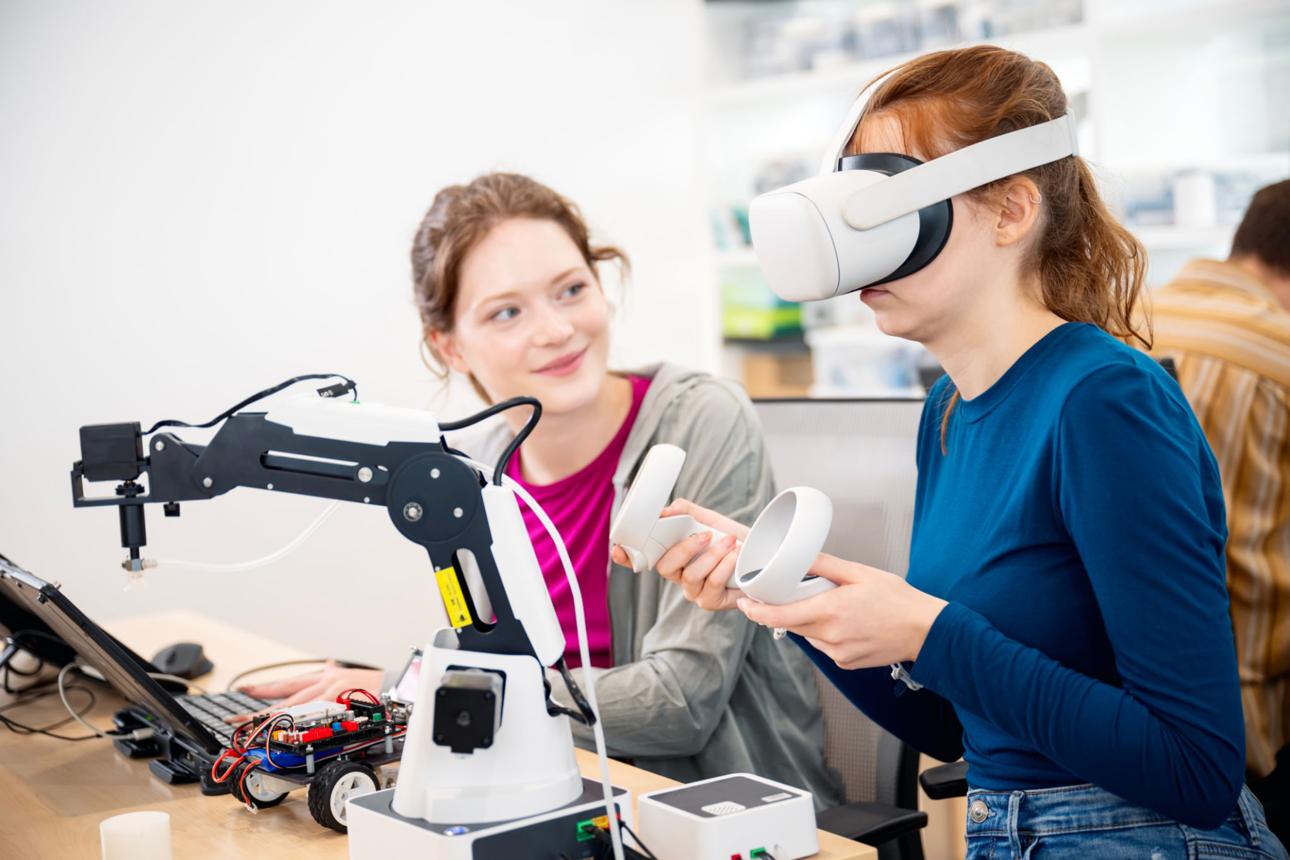
One of the most significant impacts of VR is how it influences human behavior. Unlike text-based communication, VR introduces nonverbal cues such as gestures, posture, and spatial awareness. These elements make interactions feel more authentic and engaging.
At the same time, this level of immersion can create new challenges. Users may experience stronger emotional responses, and social norms are still evolving within these environments. Moderation and safety also become more complex in real-time, immersive spaces.
Benefits of VR-Based Communities
VR communities offer several advantages that make them appealing for both personal and professional use:
- Deeper engagement through active participation
- More meaningful relationships due to immersive interaction
- Reduced geographic barriers for global collaboration
- Greater creative freedom in building environments and experiences
These benefits are particularly relevant for industries that rely on collaboration, communication, and creativity.
Challenges and Limitations
Despite its potential, VR still faces several obstacles. Accessibility remains a concern, as not all users have access to the required hardware. Technical limitations such as motion sickness and device performance can also affect the experience.
Privacy and safety are ongoing concerns. VR environments collect more data than traditional platforms, including movement and behavioral patterns. Ensuring responsible use of this data is critical for long-term adoption.
Additionally, widespread adoption will take time. Many users are still more comfortable with familiar digital platforms, and transitioning to immersive environments requires both technological and cultural shifts.
The Future of VR Communities
Looking ahead, VR communities are likely to become more integrated with everyday digital life. Hybrid systems will allow users to move seamlessly between VR, mobile, and desktop platforms. Persistent virtual worlds may become more common, enabling continuous interaction and community building.
Advancements in technology will also improve accessibility and realism. As these developments unfold, VR has the potential to complement existing platforms by offering deeper, more immersive ways to connect.
In conclusion, virtual reality is reshaping the way online communities form and function. By enabling presence, real-time interaction, and immersive environments, VR brings digital communication closer to real-world experience. While challenges remain, its growing role in social, professional, and educational spaces suggests a future where online interaction is not just seen—but truly experienced.
FAQs
More Articles

AI in Media and Entertainment: Content Creation and Recommendation Systems
6 min read | 04 May 2026

AI and Robotics: The Synergy of Intelligent Machines
7 min read | 03 May 2026

AI in Mental Health: Virtual Therapists and Predictive Diagnostics
5 min read | 02 May 2026

Machine Learning in Supply Chain Management: Optimization and Efficiency
5 min read | 01 May 2026
More Articles
The Art of Storytelling: Immersive Narratives in Augmented Reality
4 min read | 07 May 2026
Holo-Homes: How AR and VR are Redefining Interior Design
4 min read | 06 May 2026
Beyond the Screen: Exploring AR and VR in Everyday Life
6 min read | 05 May 2026

AR for Education: Making Learning Interactive and Fun
3 min read | 04 May 2026