
The Rise of AI in Creative Industries: Can Machines Be Truly Creative?
5 min read
16 May 2026
 By Lewis Adam
Artificial Intelligence (AI) is making significant strides in creative industries, challenging traditional notions of creativity. As AI systems become more sophisticated, they are increasingly being used to generate art, music, literature, and other forms of creative content.
One of the most prominent examples of AI in the creative field is the generation of visual art. AI algorithms, such as generative adversarial networks (GANs), can create stunning and original artwork by learning from existing styles and techniques. These AI-generated pieces often spark discussions about the nature of creativity and whether machines can truly create art.

In the music industry, AI is being used to compose melodies, harmonies, and even entire songs. By analyzing patterns in existing music, AI systems can generate new compositions that blend various genres and styles. While some argue that AI can mimic creativity, others believe that true artistic expression requires human emotion and intuition.
Literature is another area where AI is making an impact. AI-powered writing tools can produce poetry, short stories, and even novels based on input from human authors. These tools assist writers by offering suggestions and generating content, but the question remains whether AI can truly capture the depth and nuance of human creativity.
The rise of AI in creative industries raises important questions about the future of artistic expression and the role of technology in the creative process. While AI can generate impressive and innovative works, the essence of creativity and originality may still lie in the human experience.
In conclusion, AI is making significant inroads into creative industries, demonstrating its ability to generate art, music, and literature. However, the debate continues about whether machines can truly be creative or if the essence of creativity remains uniquely human.
FAQs
More Articles
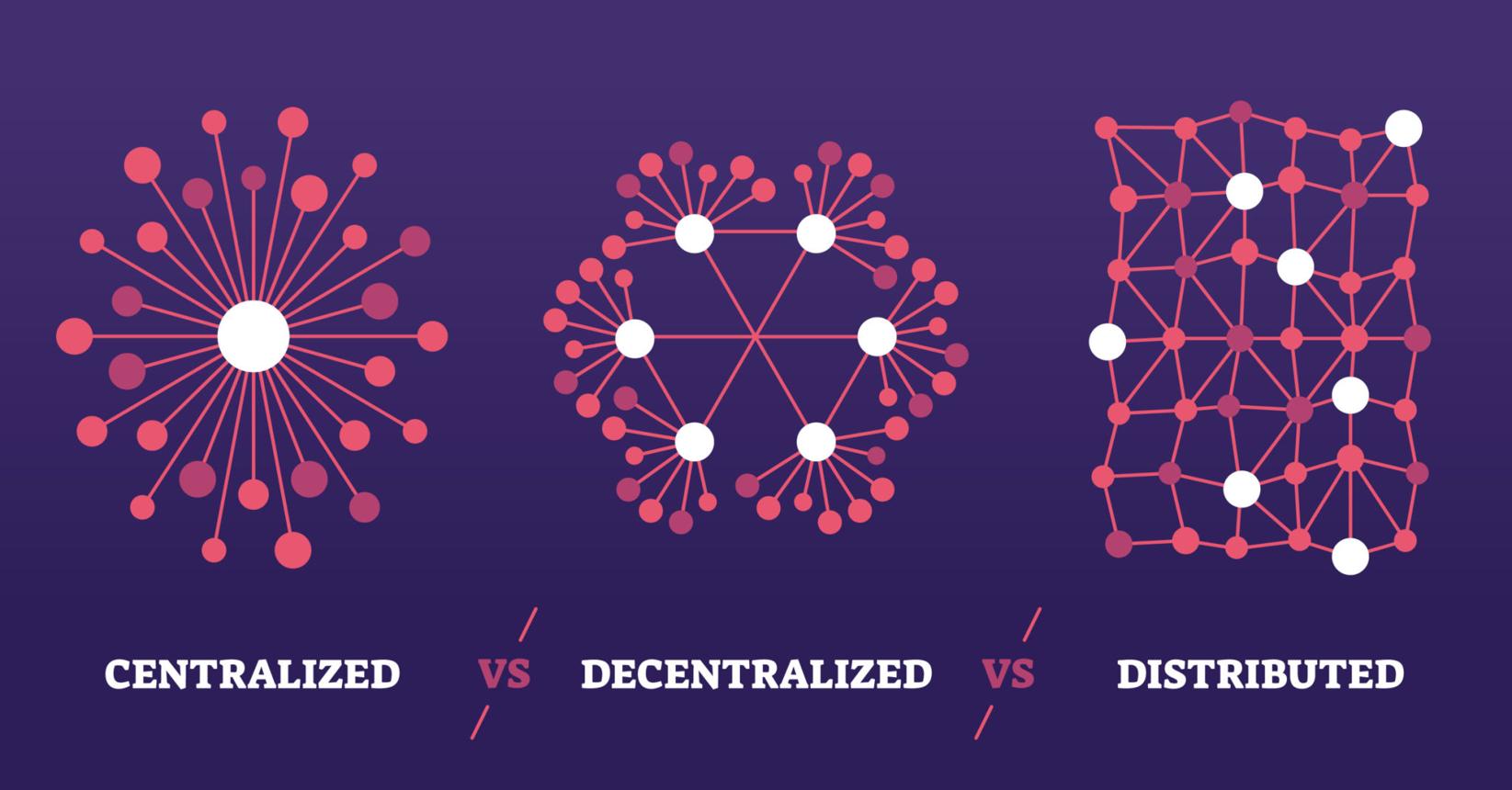
The Rise of Edge Computing: How Decentralization Is Shaping the Future of Data Access
12 min read | 09 Jun 2026
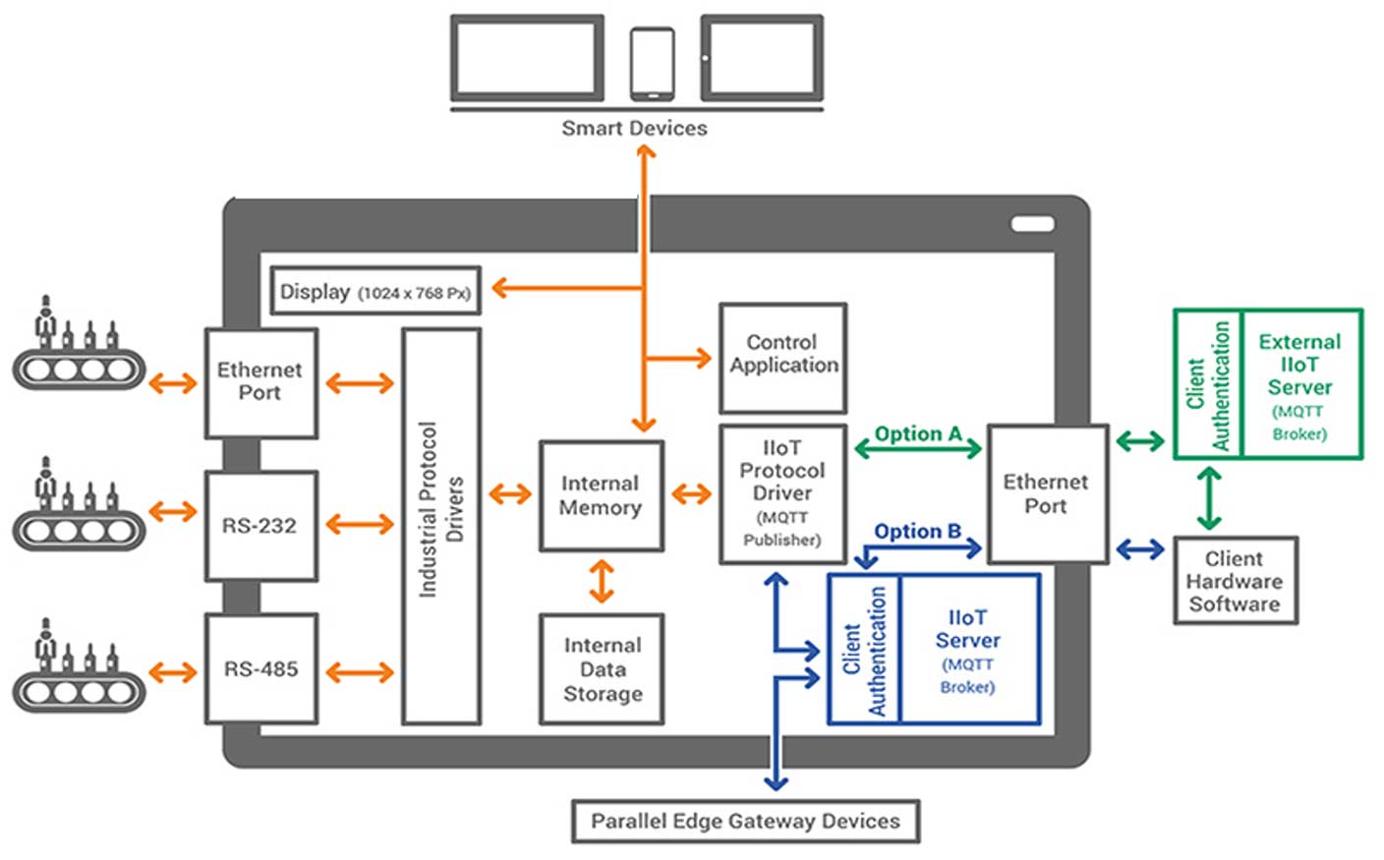
Understanding Edge Computing: What It Means for Real-Time Applications in the U.S.
10 min read | 08 Jun 2026

From Cloud to Edge: The Shift Toward Faster, Localized Data Processing
9 min read | 07 Jun 2026

Why Edge Computing Matters Now: Bringing Data Closer to Where It’s Needed Most
7 min read | 06 Jun 2026
More Articles

Blockchain for Social Good: How Technology is Addressing Global Challenges
6 min read | 26 May 2026

The Challenges of Scaling Blockchain Technology: Solutions and Innovations
7 min read | 25 May 2026

Exploring the Intersection of Blockchain and Artificial Intelligence
5 min read | 24 May 2026

How Blockchain is Shaping the Future of Voting Systems and Electoral Integrity
7 min read | 23 May 2026