
The Rise of Edge Computing: How Decentralization Is Shaping the Future of Data Access
12 min read
09 Jun 2026
 By Lewis Adam
Edge computing is transforming how data is processed by moving it closer to where it’s generated. Instead of relying solely on centralized cloud systems, businesses now use distributed infrastructure to reduce latency, improve performance, and enhance security. From smart cities to healthcare and autonomous systems, this decentralized approach is reshaping how Americans access, analyze, and act on data in real time.
Understanding Edge Computing in a Practical Context
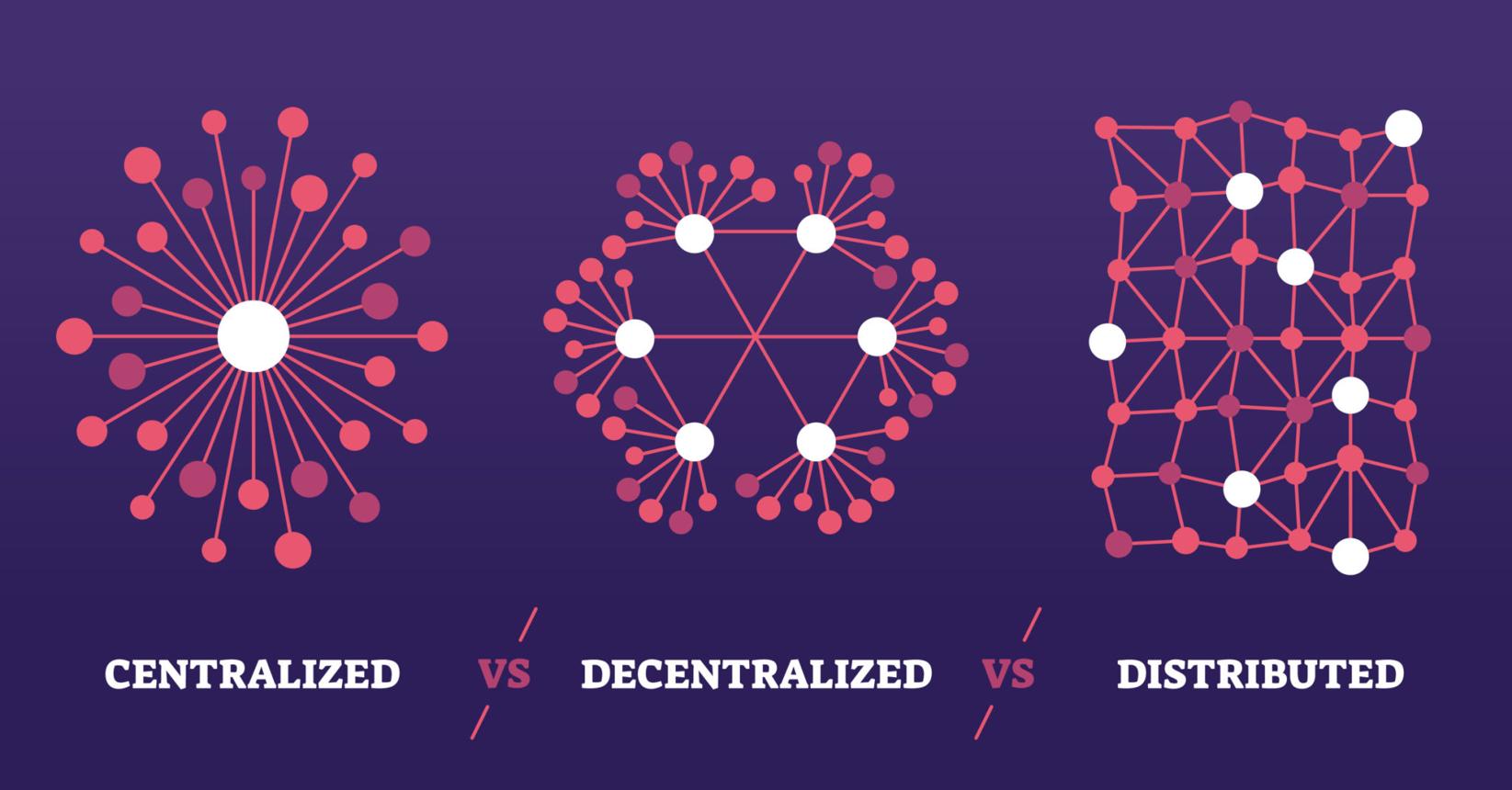
For years, cloud computing has served as the backbone of digital infrastructure across the United States. Businesses have relied on centralized data centers to process and store vast amounts of information. However, as digital demands increase—driven by connected devices, real-time applications, and streaming services—the limitations of this centralized model have become more apparent.
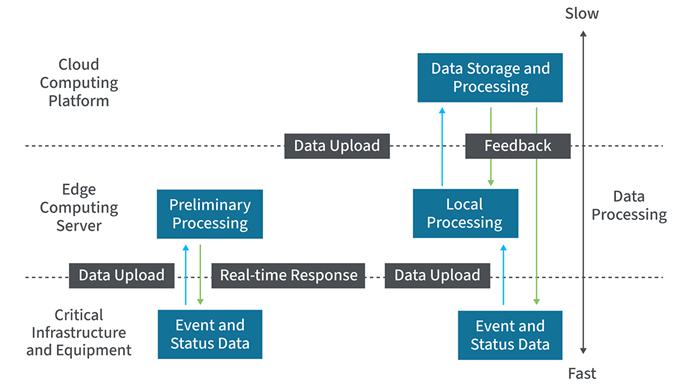
Edge computing addresses these limitations by processing data closer to its source. Instead of sending information to distant servers, edge systems analyze data locally—on devices, nearby servers, or regional hubs. This significantly reduces latency, improves responsiveness, and lowers bandwidth usage.
For example, a smart traffic system can process camera data locally to adjust signals in real time, improving traffic flow without relying on distant data centers.
Why Decentralization Matters More Than Ever
The shift toward decentralization is driven by real-world needs. As Americans rely more on digital services for healthcare, work, transportation, and entertainment, expectations for speed and reliability have increased dramatically.
Centralized systems can introduce delays because data must travel long distances. In contrast, edge computing enables near-instant processing, which is critical for applications like telemedicine or autonomous vehicles.
Key benefits of edge computing include:
- Reduced latency through local data processing
- Improved reliability, even if central systems fail
- Enhanced privacy by keeping sensitive data closer to its source
- Lower bandwidth usage and costs
Industry research indicates that a growing share of enterprise data will be processed outside traditional data centers, reflecting the increasing importance of decentralized infrastructure.
Real-World Applications Across the United States
Edge computing is already influencing multiple industries in practical ways, often without consumers realizing it.
Smart Cities and Infrastructure: Urban areas are deploying edge-enabled systems to manage traffic, energy, and public safety. Sensors process data locally, allowing faster responses to changing conditions.
Healthcare and Remote Monitoring: Wearable devices and remote monitoring tools analyze patient data in real time, enabling quicker medical interventions—especially valuable in underserved or rural regions.
Retail and Customer Experience: Retailers use edge systems for real-time inventory tracking, smart checkout, and personalized in-store experiences.
Autonomous Vehicles: Self-driving systems rely on edge computing to process sensor data instantly, ensuring safe navigation and rapid decision-making.
Edge Computing vs. Cloud Computing
A common misconception is that edge computing will replace the cloud. In reality, the two technologies complement each other.
Cloud computing remains essential for large-scale storage and long-term analytics, while edge computing focuses on real-time processing. Together, they form a hybrid model where:
- Edge handles immediate data processing
- Cloud manages deeper analysis and storage
- Systems work together for optimal performance
The Role of 5G in Accelerating Edge Adoption
The expansion of 5G networks in the United States is a key factor driving edge computing adoption. With faster speeds and lower latency, 5G enables seamless communication between devices and nearby edge nodes.
This combination supports applications such as:
- Augmented and virtual reality
- Real-time gaming and streaming
- Industrial automation and robotics
As 5G infrastructure continues to grow, it will further enhance the capabilities and reach of edge computing systems.
Security and Privacy Considerations
While edge computing offers privacy advantages by keeping data local, it also introduces new security challenges. Distributed systems create more entry points for potential cyber threats.
To address these risks, organizations must implement:
- Strong encryption protocols
- Secure device authentication
- Continuous monitoring of edge nodes
At the same time, localized data processing can reduce exposure to large-scale breaches commonly associated with centralized systems.
Challenges Slowing Widespread Adoption
Despite its benefits, edge computing presents several challenges for businesses:
- High infrastructure and deployment costs
- Increased system complexity
- Lack of universal standards
- Shortage of skilled professionals
As technology evolves and industry standards improve, these barriers are expected to diminish over time.
What This Means for Businesses and Consumers
For businesses, edge computing offers opportunities to improve operational efficiency, enhance customer experiences, and gain competitive advantages—especially in industries that rely on real-time data.
For consumers, the benefits are often subtle but impactful:
- Faster application performance
- More reliable connected devices
- Improved personalization
- Greater control over data privacy
The Future of Decentralized Data Access
As the number of connected devices continues to grow, the demand for efficient data processing will increase. Edge computing provides a scalable solution by distributing workloads across multiple locations.
This decentralized approach is expected to play a central role in emerging technologies, including the Internet of Things (IoT), smart infrastructure, and advanced automation systems.
Conclusion
Edge computing represents a significant evolution in how data is processed and delivered. By shifting computation closer to the source, organizations can achieve faster performance, improved reliability, and enhanced privacy. Rather than replacing existing systems, edge computing complements cloud infrastructure, creating a more balanced and efficient digital ecosystem. As adoption continues to grow, it will play a crucial role in shaping the future of data access and digital innovation.
FAQs
More Articles

Smart Contracts: Revolutionizing Legal and Business Processes
10 min read | 08 Jun 2026

NFTs in the Art World: Beyond Digital Collectibles
8 min read | 07 Jun 2026

Blockchain in Healthcare: Securing Patient Data
6 min read | 06 Jun 2026

The Future of Decentralized Finance (DeFi) in 2025
6 min read | 05 Jun 2026
More Articles

AR-Enhanced Storybooks: Bringing Children's Literature to Life
5 min read | 12 May 2026

Virtual Renaissance: Reimagining Historical Events with VR
6 min read | 11 May 2026

Virtual Reality Fitness: Workouts in the Metaverse
7 min read | 10 May 2026

Reality Remix: How AR and VR are Blurring the Lines Between Digital and Physical Worlds
4 min read | 09 May 2026