
Understanding Edge Computing: What It Means for Real-Time Applications in the U.S.
10 min read
08 Jun 2026
 By Lewis Adam
Edge computing is transforming how data is processed in the United States, especially for applications that require real-time decision-making. Instead of relying solely on distant cloud servers, edge computing brings data processing closer to where it is generated—whether that’s a device, sensor, or local server. This shift reduces delays, improves performance, and supports the growing demand for instant digital experiences across industries.
What Is Edge Computing?
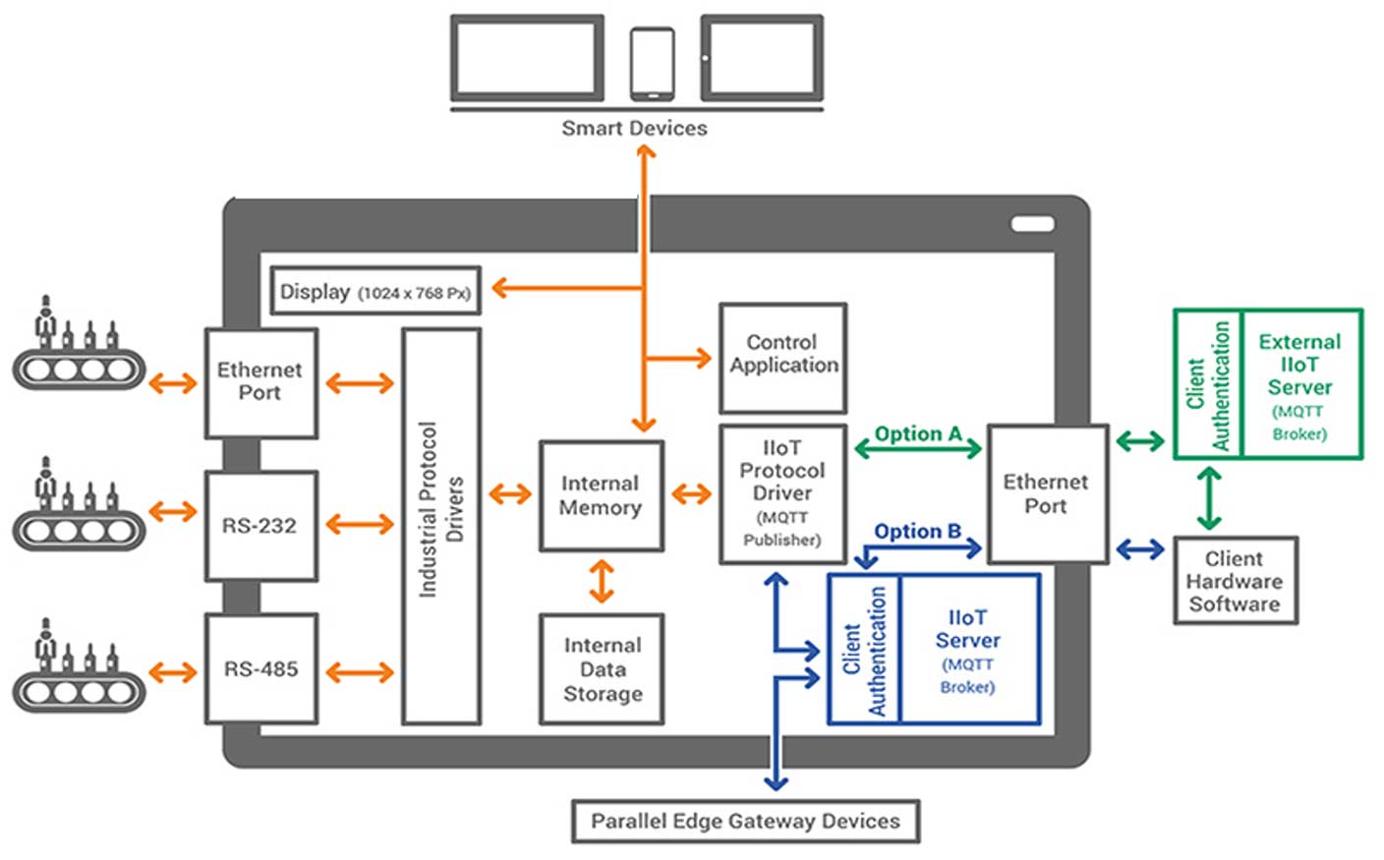
Edge computing is a distributed computing model that processes data near its source rather than sending it to centralized cloud systems. This approach minimizes the time it takes for data to travel across networks, making it especially valuable for applications where speed and responsiveness are critical. As connected devices become more common across the U.S., from smart homes to industrial systems, edge computing is becoming a foundational technology.
Why Real-Time Applications Need Edge Computing
Real-time applications depend on immediate data processing to function effectively. Whether it’s a self-driving vehicle reacting to road conditions or a hospital monitoring a patient’s vital signs, even small delays can have serious consequences. Edge computing reduces latency by handling data locally, ensuring faster responses and more reliable system performance. This is particularly important in sectors where timing directly impacts safety and outcomes.
Key advantages include: - Reduced latency for faster decision-making - Improved reliability even with limited connectivity - Enhanced data privacy by keeping sensitive information local - Lower bandwidth usage by sending only necessary data to the cloud
Edge Computing in U.S. Industries
Across the United States, multiple industries are adopting edge computing to improve efficiency and responsiveness. In healthcare, edge-enabled devices monitor patients in real time, allowing doctors to respond quickly to changes. In manufacturing, sensors on equipment detect issues early, helping prevent costly downtime. Transportation systems use edge computing to manage traffic flow and support autonomous vehicles, while retailers use it to deliver personalized in-store experiences.
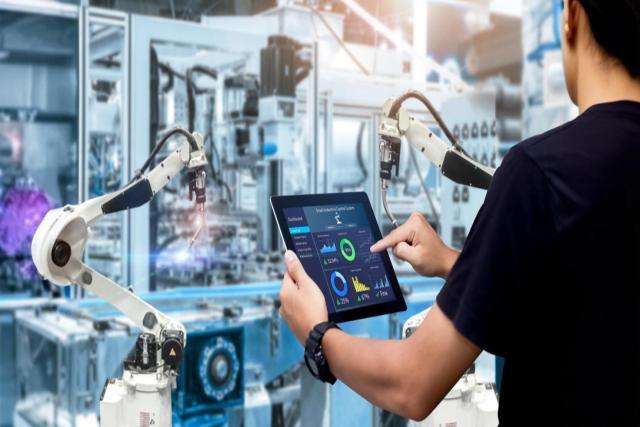
Healthcare: Real-Time Patient Monitoring
Hospitals and healthcare providers are increasingly using edge computing to analyze patient data instantly. Wearable devices and monitoring systems can detect irregularities and alert medical staff without relying on cloud processing. This leads to faster interventions and improved patient outcomes, particularly in critical care environments.
Manufacturing: Smart Factories and Predictive Maintenance
In manufacturing, edge computing enables real-time monitoring of machinery. Sensors collect performance data and analyze it locally to identify potential failures before they occur. This predictive approach helps companies reduce downtime, optimize operations, and maintain consistent product quality.
Transportation: Smarter Mobility Systems
Edge computing is essential for modern transportation systems, especially in autonomous and connected vehicles. Vehicles must process large volumes of sensor data instantly to make safe driving decisions. Additionally, smart traffic systems use edge computing to adjust signals dynamically, reducing congestion and improving urban mobility.
Retail: Enhancing Customer Experience
Retailers in the U.S. are leveraging edge computing to create more responsive and personalized shopping experiences. From automated checkout systems to real-time inventory tracking, edge technology allows stores to operate more efficiently while meeting customer expectations for speed and convenience.
Edge Computing vs. Cloud Computing
Edge computing does not replace cloud computing—it complements it. While edge systems handle real-time processing, the cloud is used for large-scale data storage and advanced analytics. This hybrid approach allows organizations to balance speed and scalability, ensuring both immediate responsiveness and long-term insights.
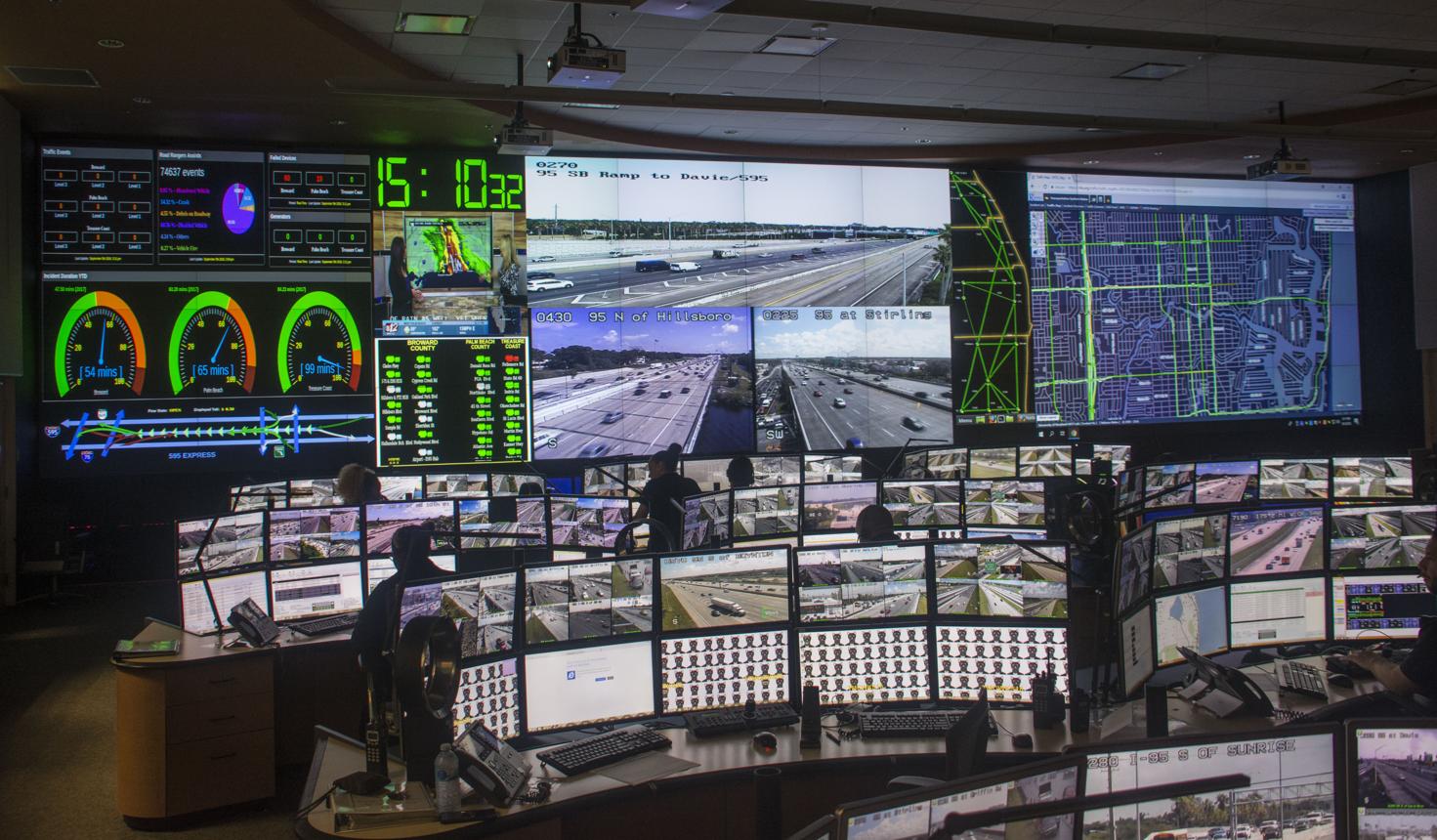
Infrastructure Supporting Edge Computing
The growth of edge computing in the United States is closely tied to advancements in network infrastructure, particularly the expansion of 5G. Faster connectivity enables seamless communication between devices and edge nodes, supporting real-time applications at scale. Additionally, localized data centers and AI-powered edge devices are helping organizations deploy more efficient systems.
Key components include: - Edge data centers located near users - IoT devices and sensors generating real-time data - High-speed 5G networks enabling low-latency communication - AI models running directly on edge devices
Challenges and Considerations
Despite its benefits, edge computing comes with challenges. Managing a distributed network of devices can be complex, and security risks increase as more endpoints are introduced. Organizations must also consider the costs of deploying edge infrastructure and ensuring consistent data synchronization between edge and cloud systems.
Real-World Example: Smart Cities in the U.S.
In smart cities across the U.S., edge computing is used to manage traffic, monitor environmental conditions, and improve public safety. Sensors collect data at intersections and process it locally to adjust traffic signals in real time. This reduces congestion, enhances safety, and improves overall urban efficiency while minimizing reliance on centralized systems.
Conclusion
Edge computing is reshaping how data is processed and used in real time across the United States. By bringing computation closer to the source, it enables faster decisions, improved reliability, and more efficient use of resources. As industries continue to adopt connected technologies, edge computing will play a critical role in supporting the next generation of digital innovation while complementing existing cloud infrastructure.
FAQs
More Articles

The Intersection of Blockchain and IoT: Creating a More Connected and Secure World
5 min read | 03 Jun 2026

How Blockchain is Driving the Future of Cross-Border Payments and Remittances
6 min read | 02 Jun 2026

Understanding the Legal and Regulatory Landscape of Blockchain Technology
5 min read | 01 Jun 2026

The Role of Blockchain in Digital Identity Verification and Management
5 min read | 31 May 2026
More Articles

The Impact of Deep Learning on Natural Language Processing (NLP)
5 min read | 29 May 2026

AI in Climate Change: Can Machine Learning Help Save the Planet?
7 min read | 28 May 2026

AI in Education: How Machine Learning is Shaping Personalized Learning
6 min read | 27 May 2026

How AI is Enhancing Human-AI Collaboration in the Workplace
7 min read | 26 May 2026