
From Cloud to Edge: The Shift Toward Faster, Localized Data Processing
9 min read
07 Jun 2026
 By Lewis Adam
As digital services demand faster responses and greater reliability, computing is moving closer to where data is created. Edge computing reduces latency, improves privacy, and enables real-time decision-making by processing data locally rather than relying solely on centralized cloud systems. This shift is reshaping industries—from healthcare to retail—by enabling faster insights, lower bandwidth use, and more resilient infrastructure.
Understanding the Shift: Why Cloud Alone Is No Longer Enough
For more than a decade, cloud computing has powered modern digital infrastructure, offering scalability, flexibility, and cost efficiency. However, as real-time applications grow—from streaming to smart devices—the limitations of relying solely on distant data centers have become more evident. Delays caused by transmitting data to centralized servers can affect performance, reliability, and user experience.
Applications like autonomous systems, connected devices, and real-time analytics require near-instant responses. This demand has driven the emergence of edge computing, where data is processed closer to its source instead of being sent back and forth to the cloud.
What Is Edge Computing?
Edge computing refers to the practice of processing data at or near the location where it is generated. Instead of relying exclusively on centralized data centers, edge devices or local nodes handle immediate computations. This allows systems to make faster decisions, reduce latency, and operate more efficiently.
In practical terms, edge computing complements the cloud rather than replacing it. While the edge handles real-time processing, the cloud continues to provide large-scale storage, analytics, and coordination across systems.

Key Drivers Behind the Shift to Edge
Several factors are accelerating the adoption of edge computing across industries. These drivers reflect the growing need for speed, efficiency, and data control in a connected world.
- Real-time responsiveness: Applications such as gaming, augmented reality, and autonomous vehicles require immediate data processing.
- Growth of connected devices: Billions of IoT devices generate massive amounts of data that cannot efficiently be sent to the cloud.
- Bandwidth efficiency: Reducing the volume of transmitted data lowers costs and network congestion.
- Data privacy: Localized processing helps organizations better manage sensitive information and comply with regulations.
Cloud and Edge: A Collaborative Model
Rather than competing, cloud and edge computing work together to create a more balanced and efficient system. Each plays a distinct role in handling data and workloads.
- Edge computing focuses on immediate processing and real-time decision-making.
- Cloud computing manages long-term storage, large-scale analytics, and centralized coordination.
For example, a retail store may use edge devices to analyze customer behavior in real time while sending aggregated insights to the cloud for broader analysis and strategy development.
Real-World Applications Across Industries
Edge computing is already transforming multiple industries by enabling faster and more intelligent systems.
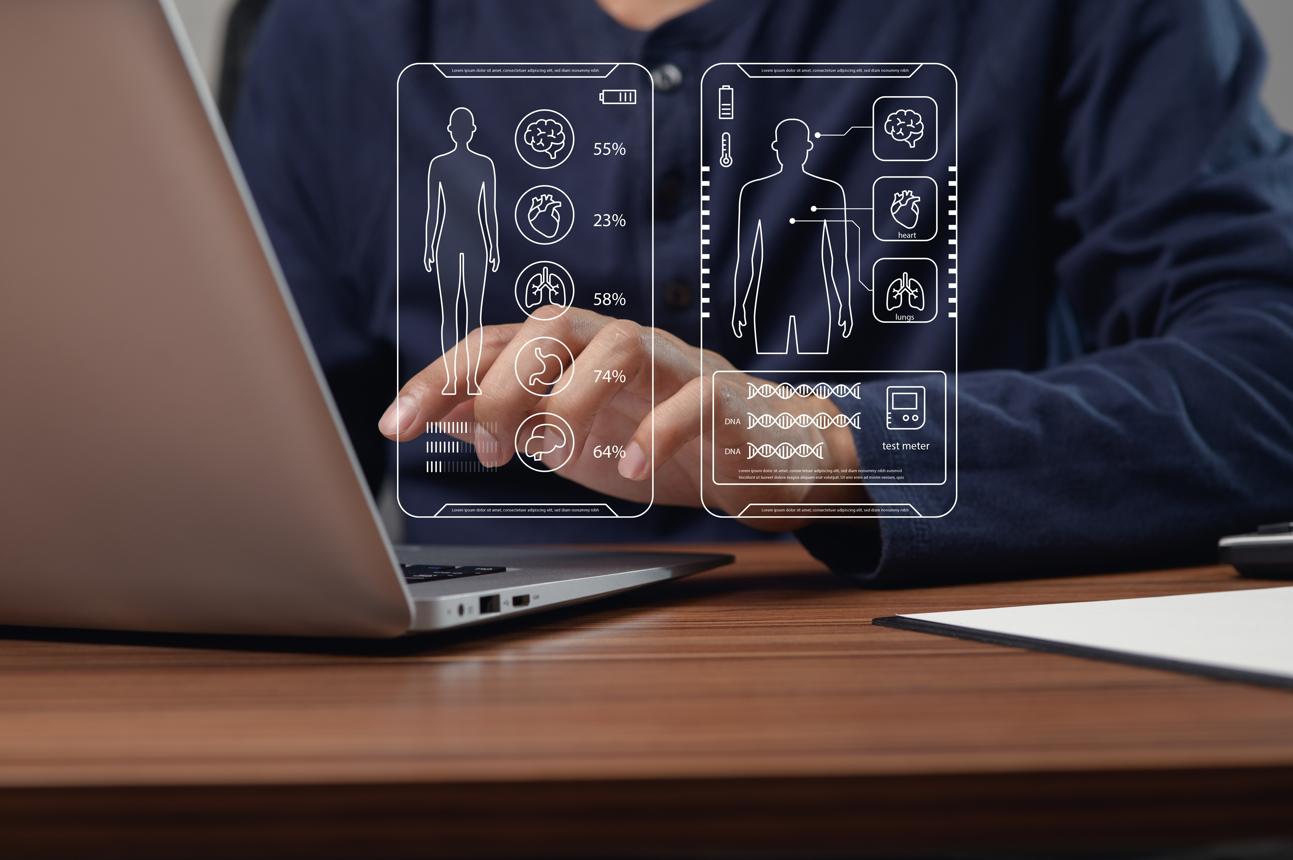
Healthcare: Medical devices can process patient data instantly, enabling quicker diagnoses and faster response to critical conditions. Manufacturing: Smart factories use edge-enabled sensors to monitor equipment and predict failures before they occur. Retail: Stores leverage edge computing for personalized customer experiences and real-time inventory management. Transportation: Autonomous vehicles rely on edge processing to make split-second decisions based on sensor data.
The Role of 5G in Accelerating Edge Computing
The expansion of 5G networks is playing a critical role in enabling edge computing. With lower latency and higher bandwidth, 5G allows devices to communicate faster and more reliably with edge nodes.
This combination supports innovations such as smart cities, real-time remote operations, and immersive digital experiences. As 5G infrastructure continues to grow, the capabilities of edge computing will expand alongside it.
Challenges and Considerations
While edge computing offers significant advantages, it also introduces new challenges that organizations must address.
- Security risks: More distributed systems increase potential points of vulnerability.
- Infrastructure complexity: Managing both cloud and edge environments requires advanced coordination.
- Data consistency: Ensuring synchronized data across systems can be difficult.
- Skill gaps: Implementing edge solutions requires specialized technical expertise.
How Businesses Are Adapting
Organizations are increasingly adopting hybrid architectures that combine cloud and edge computing. These strategies focus on deploying processing power closer to users while maintaining centralized oversight.
Companies are investing in micro data centers, edge-enabled AI, and integrated platforms to improve performance and customer experience. By identifying use cases where latency matters most, businesses can prioritize edge deployment effectively.
What This Means for Everyday Users
For consumers, the impact of edge computing is already visible in daily digital experiences. Faster app performance, improved streaming quality, and more responsive smart devices are direct benefits of localized data processing.
In many cases, users may not realize edge computing is at work, but they experience its effects through smoother and more reliable technology interactions.
The Future of Distributed Computing
The shift from cloud-only to cloud-plus-edge represents a broader evolution in how digital systems are designed. Instead of relying on a centralized model, computing is becoming more distributed across devices, local nodes, and global data centers.
This approach allows organizations to balance speed, efficiency, and scalability. As edge computing continues to evolve, it will play an increasingly important role in supporting next-generation technologies and connected ecosystems.
Conclusion
The transition from cloud to edge computing reflects a fundamental shift in how data is processed and managed. By bringing computation closer to the source, organizations can achieve faster performance, improved reliability, and greater control over their data. As industries continue to adopt this hybrid approach, the combination of cloud and edge will define the future of digital infrastructure and innovation.
FAQs
More Articles

Understanding the Legal and Regulatory Landscape of Blockchain Technology
7 min read | 01 Jun 2026

The Role of Blockchain in Digital Identity Verification and Management
6 min read | 31 May 2026

Blockchain in Gaming: How Decentralized Networks Are Changing the Industry
6 min read | 30 May 2026

The Potential of Blockchain in Real Estate: Simplifying Transactions and Ownership
6 min read | 29 May 2026
More Articles

From Research Labs to Real Life: Where Artificial Intelligence Is Making the Biggest Impact
9 min read | 31 May 2026

Green Tech Innovations Driving a Sustainable Future
7 min read | 08 Jun 2026

The Rise of Edge Computing in the Tech Ecosystem
11 min read | 07 Jun 2026

How Biometric Technology Is Changing Security Systems
15 min read | 06 Jun 2026