
Inside Virtual Worlds: The Evolution of Social Interaction in the Age of VR
12 min read
06 Jun 2026
 By Neha Jain
Virtual reality is transforming how people connect, shifting social interaction from screens to immersive, shared environments. From early chatrooms to today’s VR platforms, users now engage through avatars, spatial audio, and real-time collaboration. This evolution raises important questions about identity, relationships, and digital presence, while offering new opportunities for work, community, and human connection in increasingly virtual spaces.
The Shift From Text-Based Interaction to Immersive Presence

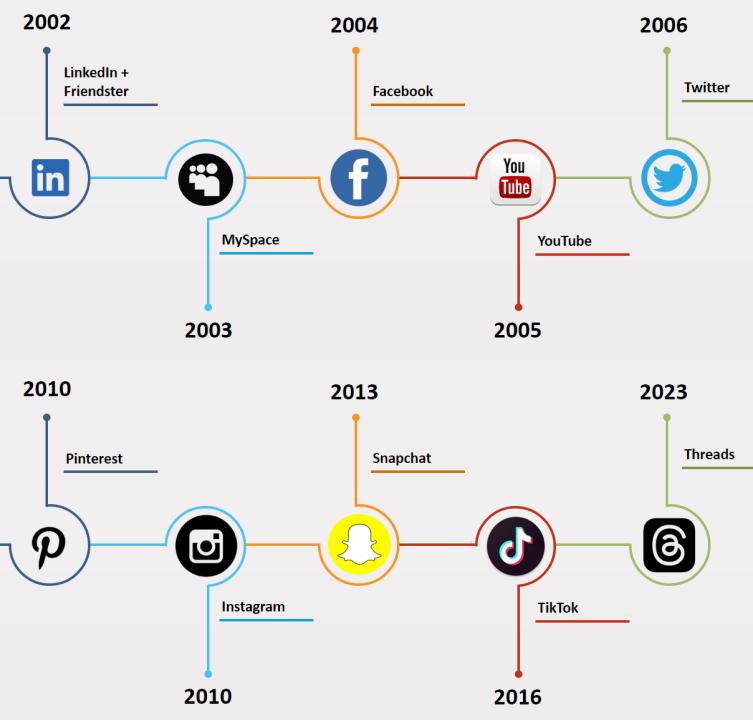
Social interaction on the internet has undergone a profound transformation over the past three decades. What began with text-based chatrooms and forums has evolved into visually rich, real-time environments where people can communicate through avatars, gestures, and spatial positioning.
Early platforms like AOL chatrooms and IRC introduced the concept of anonymous digital identity. Later, social media platforms emphasized curated identity and asynchronous interaction. Today, virtual reality represents a fundamental shift—moving from observing and posting to being present inside a shared environment.
This transition is not merely technological. It reflects a deeper change in how people define connection. Instead of scrolling through feeds, users are increasingly stepping into environments where interaction feels immediate and embodied.
What Makes VR Social Spaces Different?
Unlike traditional social platforms, VR introduces elements that closely resemble real-world interaction. Users experience spatial presence, communicate in real time, and interact through avatars that mimic human gestures and behavior.
Key differences include:
- Spatial presence that creates a sense of “being there”
- Avatar-based identity that allows visual self-expression
- Real-time communication enhanced by spatial audio
- Non-verbal cues such as movement, gestures, and proximity
Together, these elements create a sense of presence—the psychological feeling of sharing a space with others.
Why Are People Turning to VR for Social Interaction?
The growing interest in VR social spaces is driven by both technological progress and cultural shifts. As digital fatigue increases, users are seeking more engaging and meaningful forms of interaction.
Several factors contribute to this trend:
- Desire for deeper, more immersive communication
- Growth of remote work and distributed teams
- Increased accessibility of VR hardware
- Opportunities for creativity and self-expression
Studies have shown that immersive environments can significantly increase user engagement and focus, making VR an appealing alternative to traditional communication platforms.
How VR Is Changing Online Relationships
One of the most notable impacts of VR is its influence on relationships. Unlike traditional digital communication, which can feel fragmented and delayed, VR enables synchronous, embodied interaction.
Users can share experiences in real time, such as attending virtual events, exploring environments, or simply spending time together. These shared experiences often feel more meaningful than text-based interactions.
However, this also introduces new challenges. As interactions become more immersive, questions around emotional boundaries, authenticity, and digital etiquette become increasingly important.
The Role of Avatars in Identity and Expression
Avatars play a central role in VR social spaces. They serve as dynamic representations of users, allowing for movement, customization, and creative expression.
Individuals can choose to reflect their real-world identity or experiment with entirely new personas. This flexibility can be empowering, particularly in communities that value creativity and inclusivity.
At the same time, it raises important questions about authenticity and accountability in virtual environments. As identity becomes more fluid, social norms continue to evolve.
VR and the Future of Work Collaboration
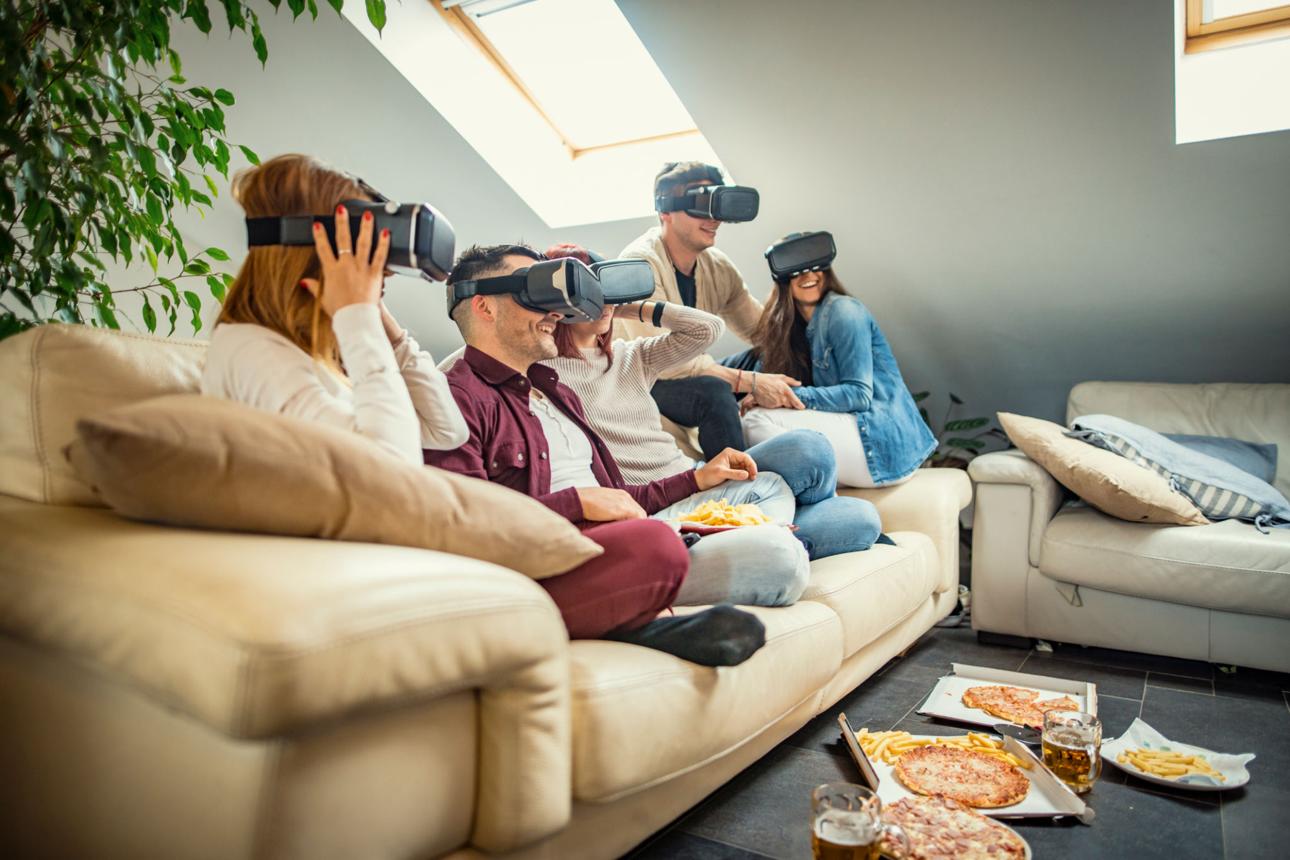
Beyond social interaction, VR is increasingly being adopted in professional settings. Organizations are using virtual environments for meetings, training, and collaborative work.
Instead of traditional video calls, teams can gather in shared virtual spaces, interact with 3D models, and engage in more dynamic brainstorming sessions.
Benefits include:
- Enhanced engagement compared to standard video conferencing
- Reduced need for physical travel
- Improved collaboration through interactive tools
Industries such as healthcare, education, and architecture are already leveraging VR to improve communication and efficiency.
Challenges and Limitations of VR Social Interaction
Despite its potential, VR faces several challenges that impact widespread adoption.
Technical barriers include the cost of equipment, hardware limitations, and user discomfort such as motion sickness. Additionally, accessibility remains a concern for many users.
Social challenges are equally significant. As immersive environments become more common, issues such as privacy, moderation, and user safety must be addressed. Negative experiences can feel more intense in VR due to the heightened sense of presence.
Balancing innovation with responsible design will be essential for the long-term success of VR social platforms.
Are VR Social Spaces Replacing Traditional Social Media?
Rather than replacing existing platforms, VR is more likely to complement them. Each form of digital communication serves a different purpose.
Social media platforms are effective for content sharing, messaging apps enable quick communication, and VR offers immersive interaction.
Users may move fluidly between these platforms, using each one based on their needs and context.
Real-World Examples of VR Social Interaction
VR is already being used in a variety of practical ways. Virtual events, including concerts and conferences, allow users to participate from anywhere in the world.
Educational institutions are using VR for collaborative learning, while gaming communities have created vibrant social ecosystems within virtual worlds.
Additionally, VR is being explored for therapy and support groups, providing safe and controlled environments for meaningful conversations.
What Does the Future Hold for Social Interaction in VR?
As technology continues to evolve, VR is expected to become more realistic, accessible, and integrated into daily life. Advances in graphics, haptic feedback, and connectivity will further enhance the user experience.
The future of VR social interaction will depend on its ability to foster authentic human connection while addressing technical and ethical challenges.
In conclusion, virtual reality is reshaping how people interact by introducing immersive, real-time environments that go beyond traditional digital communication. While challenges remain, the potential for meaningful connection, collaboration, and creativity makes VR a significant development in the evolution of social interaction.
FAQs
More Articles
Microchips and Mobile Gaming: A Look at the Latest Innovations and Future Trends
4 min read | 12 Apr 2026

The Future of Mobile Gaming: Integrating AI and Robotics
5 min read | 11 Apr 2026

Neural Networks and Procedural Content Generation in Mobile Games
3 min read | 10 Apr 2026

Quantum Computing's Potential to Solve Complex Game Algorithms
4 min read | 09 Apr 2026
More Articles

How Blockchain Technology Is Redefining Value and Control in the Gaming Industry
9 min read | 08 Jun 2026
Gaming on the Blockchain: Exploring the Shift Toward Decentralized Economies
9 min read | 07 Jun 2026

The Rise of Blockchain Gaming: What Decentralization Means for Developers and Players
10 min read | 06 Jun 2026
Blockchain in Gaming: How Decentralized Systems Are Reshaping Player Ownership
10 min read | 05 Jun 2026