
Gaming on the Blockchain: Exploring the Shift Toward Decentralized Economies
9 min read
07 Jun 2026
 By Sayan Gosh
Blockchain gaming is reshaping how players interact with digital economies by introducing true ownership, tradable assets, and decentralized governance. Unlike traditional games, blockchain-based platforms allow users to earn, sell, and control in-game items across ecosystems. While adoption is still evolving, the model is influencing game design, monetization, and player expectations in the U.S. gaming market.
Understanding Digital Ownership in Gaming: For decades, players have spent money and time acquiring in-game items that ultimately remained under the control of game publishers. Whether it was skins, weapons, or collectibles, these assets were confined within centralized systems. Blockchain gaming introduces a new framework where digital assets are tokenized, allowing players to truly own, transfer, or sell them independently of the game itself.
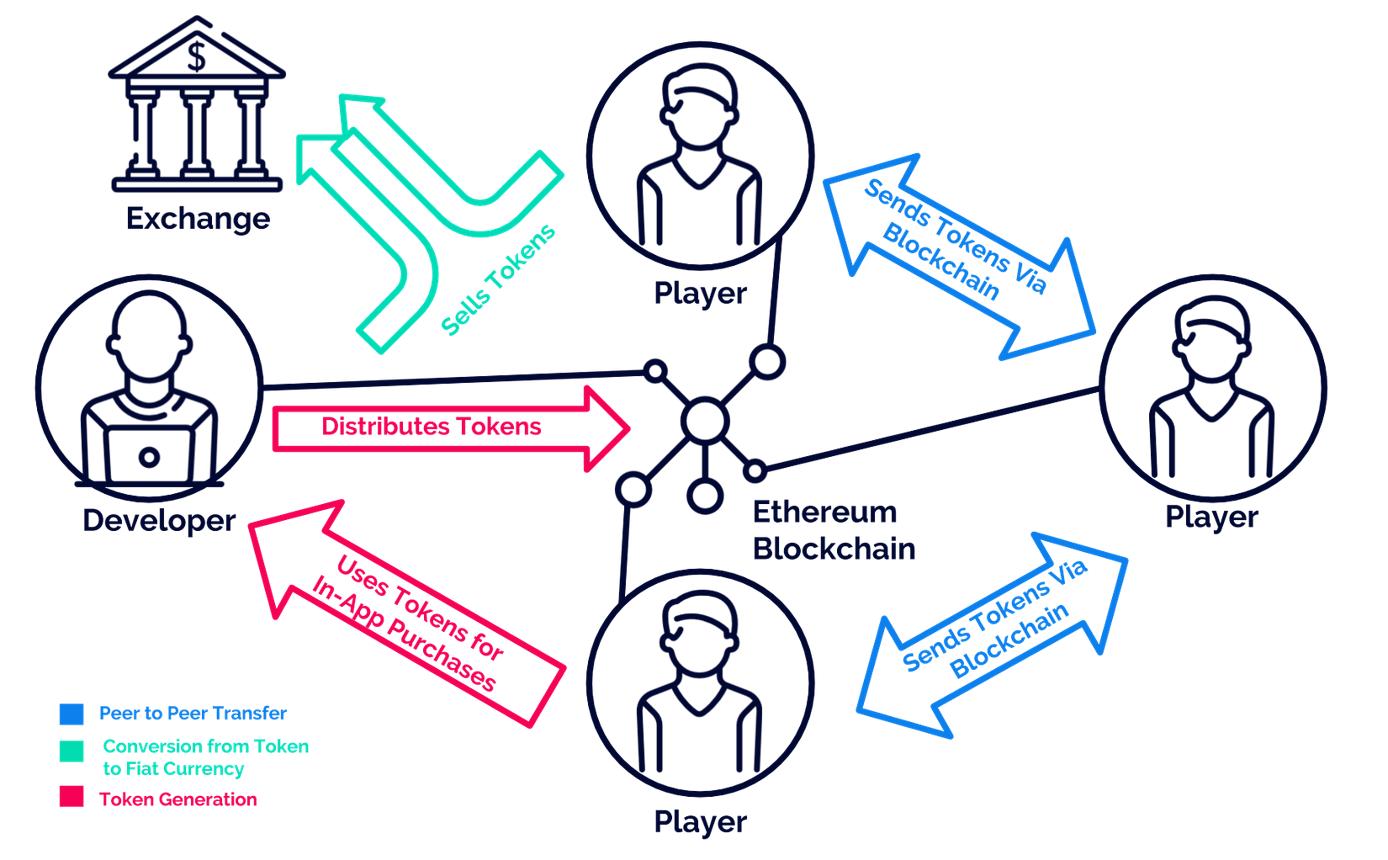
How Blockchain Game Economies Work: Blockchain-based games operate on decentralized networks where assets are represented as tokens. These include non-fungible tokens (NFTs) for unique items and fungible tokens for in-game currencies. Players can earn tokens through gameplay, trade them on external marketplaces, and reinvest them into the game ecosystem. This creates a dynamic economy that extends beyond the boundaries of a single game.
Key Components of Blockchain Gaming: - NFTs: Unique digital assets such as characters, skins, or virtual land - Tokens: In-game currencies that can be traded or exchanged - Wallets: Tools used to store and manage digital assets - Marketplaces: Platforms where players can buy and sell assets
Why This Model Is Gaining Attention: In the U.S., players are increasingly interested in systems that offer transparency, ownership, and value retention. Blockchain gaming aligns with broader trends in creator economies and digital ownership, allowing users to participate more actively in the ecosystems they engage with. However, interest is often balanced with caution regarding long-term sustainability and usability.
Real-World Example: Consider a player who purchases virtual land in a blockchain-based game. Unlike traditional games, that land can be developed, rented, or sold based on market demand. Some players have used these environments to host events, build digital storefronts, or create interactive experiences, demonstrating how gaming and digital entrepreneurship can intersect.
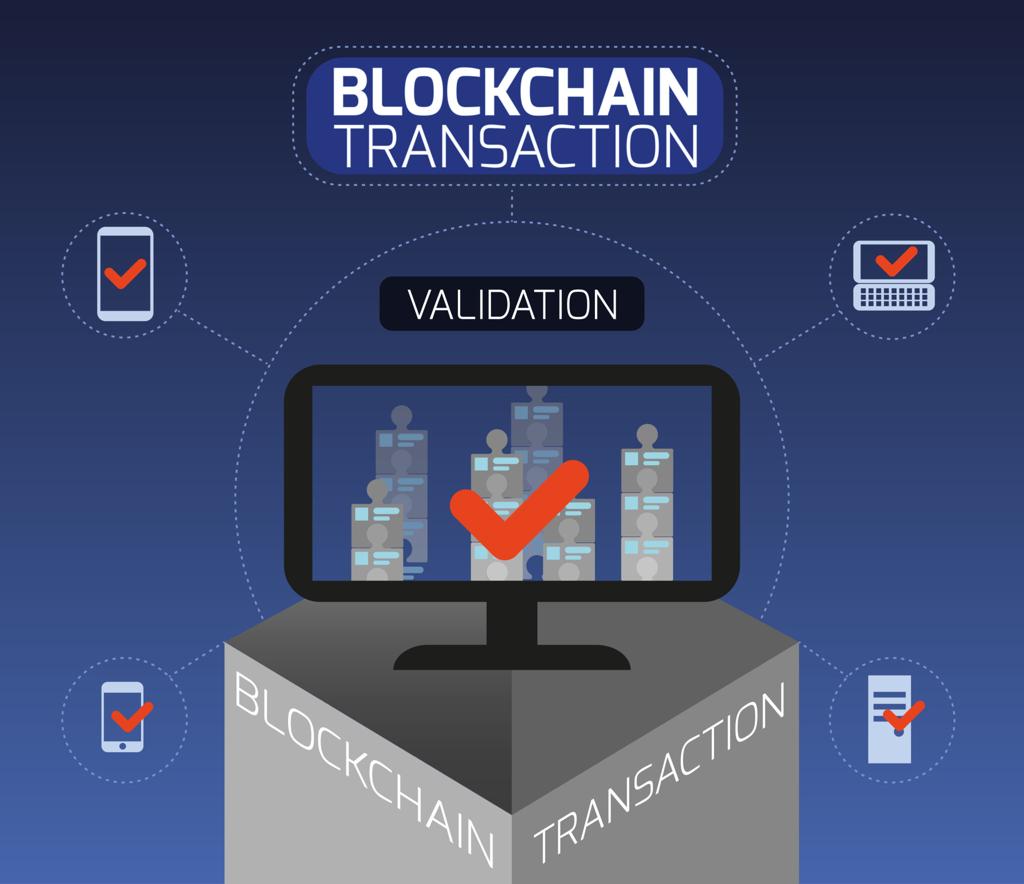
The Role of Smart Contracts: Smart contracts are self-executing programs that run on the blockchain and manage transactions automatically. In gaming, they ensure ownership verification, handle asset transfers, and distribute rewards. This reduces reliance on centralized authorities and introduces a level of transparency that is difficult to achieve in traditional systems.
Challenges Facing Blockchain Gaming: - User Experience: Setting up wallets and managing private keys can be complex for new users - Regulation: Legal frameworks in the U.S. are still evolving around digital assets - Economic Stability: Some early models relied heavily on continuous user growth - Perception: Many players associate blockchain with speculation rather than gameplay
How Developers Are Responding: Developers are shifting toward more sustainable models that prioritize gameplay over earning potential. Instead of focusing solely on “play-to-earn,” many games are adopting “play-and-earn” systems that integrate blockchain features without compromising user experience. Hybrid models combining centralized and decentralized elements are becoming more common.
Market Trends and Industry Growth: Industry reports indicate that blockchain gaming has attracted billions in investment and continues to represent a significant share of decentralized application activity. While growth has been uneven, the sector remains a focal point for innovation in both gaming and digital economies.
Conclusion: Blockchain gaming represents an important shift in how digital ownership and in-game economies are structured. While the technology is still evolving, it introduces new possibilities for player participation, asset control, and economic interaction. Its long-term impact will depend on how effectively developers balance innovation with usability, sustainability, and engaging gameplay experiences.
FAQs
More Articles

The Quantum Leap: AI & ML Redefining Possibilities
5 min read | 27 Mar 2026

Data Symphony: Harmonizing AI and ML for Innovation
4 min read | 26 Mar 2026

AI Governance: Policies and Regulations for AI Development
2 min read | 25 Mar 2026

AI in Agriculture: Improving Crop Yield and Sustainability
2 min read | 24 Mar 2026
More Articles

Space Technology: The Final Frontier of Innovation
4 min read | 01 May 2026

GovTech (Government Technology): Making Governments Smarter
7 min read | 30 Apr 2026

EdTech (Educational Technology): Transforming Classrooms Worldwide
5 min read | 29 Apr 2026

LegalTech: The Future of Law is Digital
4 min read | 28 Apr 2026