
How Blockchain Technology Is Redefining Value and Control in the Gaming Industry
9 min read
08 Jun 2026
 By Sayan Gosh
Blockchain technology is reshaping how value is created, owned, and exchanged in the gaming industry. By enabling true digital ownership, decentralized economies, and player-driven marketplaces, it challenges traditional publisher control. While adoption remains uneven, blockchain-based systems are redefining monetization, asset portability, and governance—offering both new opportunities and complex trade-offs for developers, players, and investors.
Rethinking Value in Modern Gaming
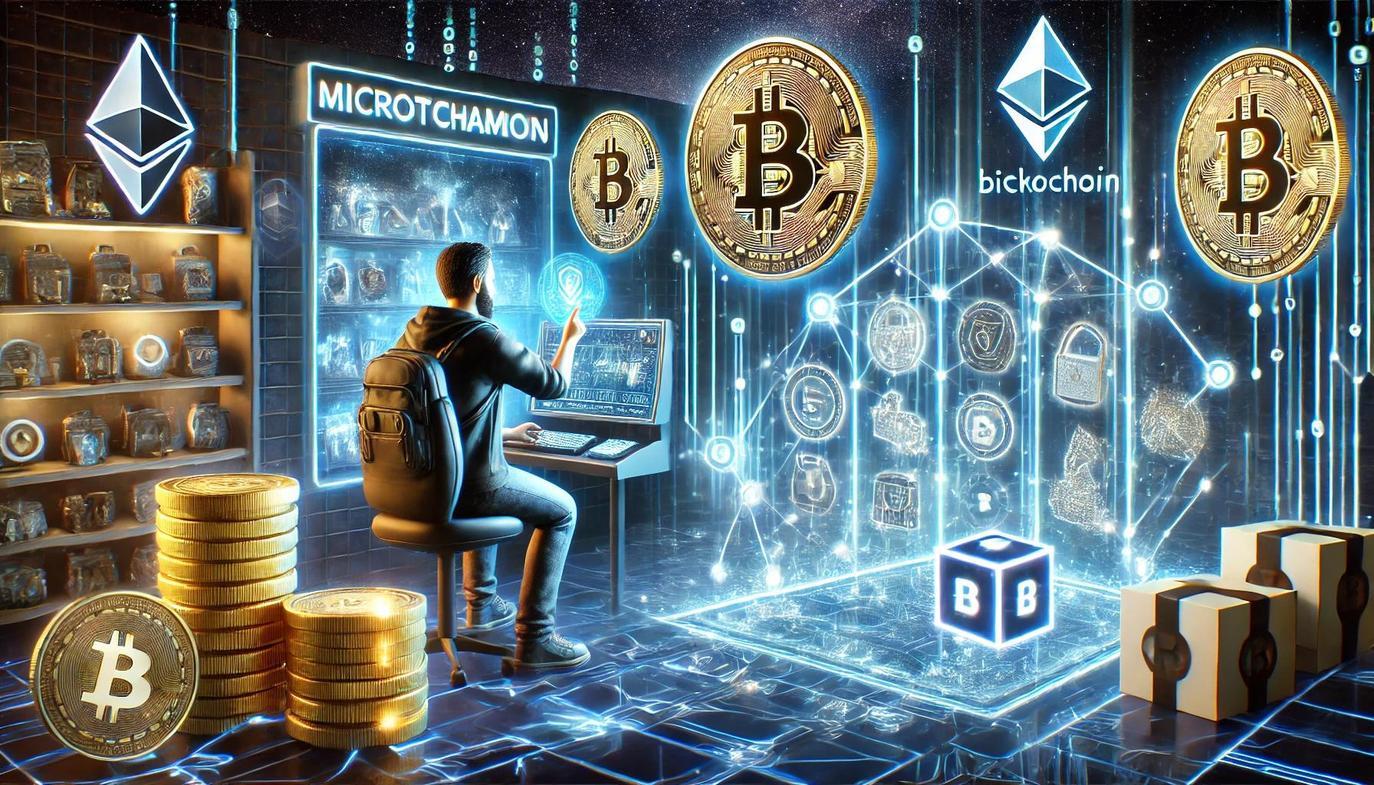
For decades, the gaming industry has operated on a centralized model where publishers controlled in-game economies and assets remained locked within specific platforms. Players could spend money on skins, upgrades, or downloadable content, but these purchases rarely held value outside the game itself. Blockchain introduces a shift by allowing digital assets to exist independently, changing how players perceive value and ownership.
What Blockchain Changes in Gaming
At a fundamental level, blockchain introduces transparency, decentralization, and verifiable ownership. Instead of relying on centralized servers, transactions and asset ownership are recorded on distributed ledgers. This reduces manipulation, increases trust, and allows players to truly own their digital assets. It also creates the possibility for assets to be transferred or traded across different ecosystems.
Digital Ownership: From Access to Possession
Traditional games operate on a licensing model where players are granted access to digital goods rather than true ownership. Blockchain replaces this model with verifiable ownership through tokenized assets. Players can hold items in digital wallets, sell them on external marketplaces, and maintain control even if the original game changes or shuts down. This shift fundamentally alters the relationship between players and game publishers.
Player-Driven Economies
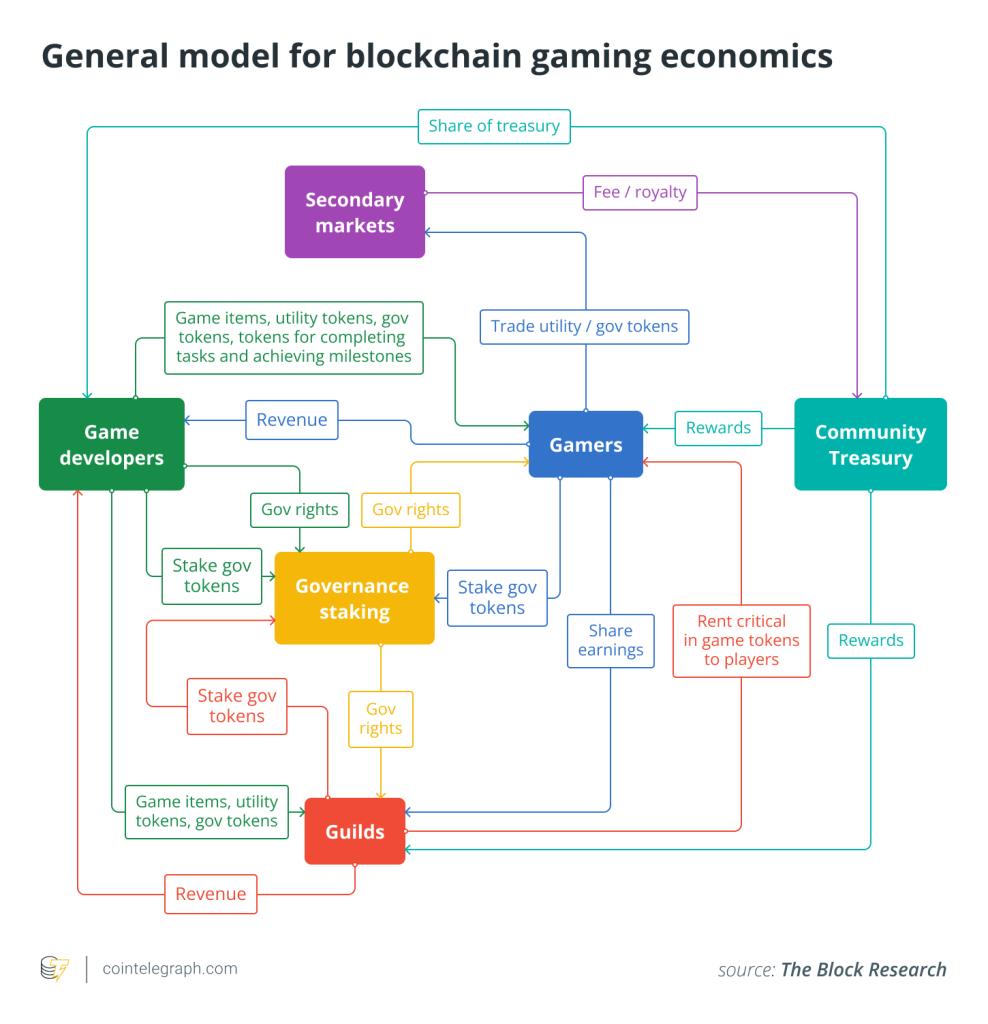
Blockchain gaming enables player-driven economies where users actively participate in creating and exchanging value. Instead of a one-way monetization model, players can earn through gameplay, trade assets, and even contribute to the ecosystem. This introduces new economic layers that blend gaming with digital marketplaces, allowing highly engaged users to derive real-world value from their time spent in games.
Shifting Control Between Developers and Players
While developers still design and maintain the game environment, blockchain introduces shared control mechanisms. Some platforms allow players to participate in governance decisions through token-based voting systems. This creates a more collaborative ecosystem but also raises challenges around maintaining balance, fairness, and long-term sustainability.
Interoperability: A Promising but Limited Reality
One of blockchain's most discussed benefits is interoperability—the ability to use digital assets across multiple games or platforms. While the concept is compelling, real-world implementation remains limited due to technical and design constraints. However, ongoing efforts suggest that interoperability could become more feasible as industry standards evolve.
Economic Risks and Sustainability
Despite its potential, blockchain gaming introduces risks such as speculative asset pricing and unstable reward systems. Some early models relied heavily on continuous user growth, leading to economic imbalances when demand declined. Sustainable systems require careful design, focusing on long-term engagement rather than short-term financial incentives.

Emerging Practical Use Cases
Several practical applications of blockchain in gaming are already gaining traction. These include digital collectibles, decentralized marketplaces, tokenized reward systems, and persistent player identities. These features enhance engagement and provide players with greater flexibility in how they interact with in-game economies.
What Players Are Asking Today
As blockchain gaming gains attention, players are asking practical questions about safety, profitability, and gameplay quality. Many want to understand whether these games offer genuine entertainment value or primarily function as financial systems. The most successful platforms are those that prioritize gameplay while integrating blockchain as a supporting feature.
Conclusion
Blockchain technology is not replacing traditional gaming but is gradually redefining how value and control are distributed within the industry. By enabling ownership, transparency, and new economic models, it introduces meaningful changes to player engagement and monetization. However, its long-term success will depend on balancing innovation with sustainability, ensuring that gameplay remains at the center while blockchain enhances the overall experience.
FAQs
More Articles
RegTech (Regulatory Technology): The Silent Revolution in Compliance
5 min read | 25 Apr 2026
Digital Wallets: The Future of Money Management
4 min read | 24 Apr 2026
Contactless Payments: The Safe, Fast, and Easy Way to Pay
5 min read | 23 Apr 2026
Mobile Payments: How Your Phone is Becoming Your Wallet
7 min read | 22 Apr 2026
More Articles
AI in Customer Service: Chatbots and Virtual Assistants
7 min read | 12 Feb 2026

The Role of Tech in Financial Inclusion: Reaching the Unbanked
7 min read | 11 Feb 2026

Artificial Intelligence in Sports: Enhancing Performance and Fan Engagement
7 min read | 10 Feb 2026

The Intersection of Technology and Fashion: Wearable Tech Trends
5 min read | 09 Feb 2026