
Blockchain in Gaming: How Decentralized Systems Are Reshaping Player Ownership
10 min read
05 Jun 2026
 By Sayan Gosh
Blockchain is changing how ownership works in gaming by allowing players to truly own in-game assets rather than simply access them. Through decentralized systems, items, currencies, and identities can move across platforms and retain value outside a single game. This shift introduces new economic models, legal questions, and user experiences that are steadily reshaping how players interact with digital worlds.
Rethinking Ownership in Modern Gaming
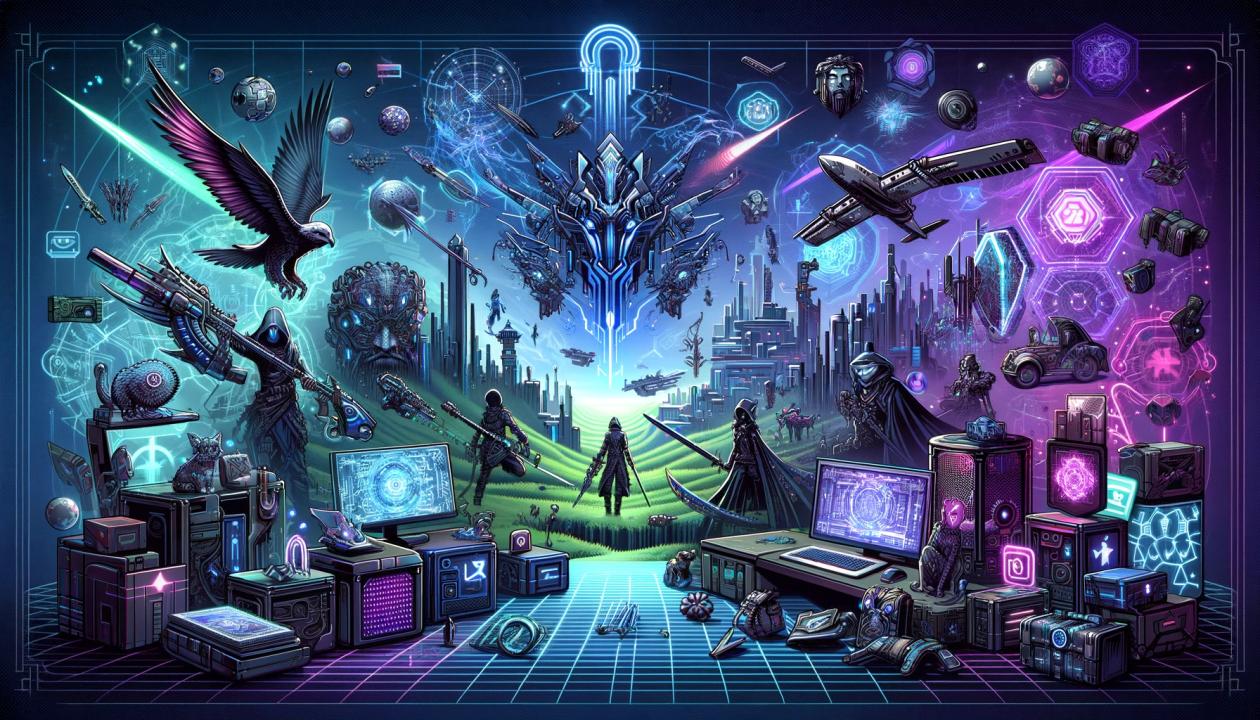
For decades, gamers have invested time, money, and identity into virtual worlds—yet ownership has largely remained an illusion. Whether it’s rare skins, in-game currency, or high-level characters, most digital assets exist within centralized ecosystems controlled by publishers. If a game shuts down or an account is banned, those assets effectively disappear.
Blockchain technology introduces a structural change. By using decentralized ledgers, it allows digital assets to exist independently of a single platform. This means players can theoretically own, transfer, or even sell their in-game items beyond the confines of one publisher’s ecosystem.
This shift is not simply technical—it changes the relationship between players, developers, and the broader gaming economy.
What Does “Player Ownership” Actually Mean?
The concept of ownership in blockchain gaming is often misunderstood. It doesn’t just mean having access to items; it refers to verifiable control over digital assets.
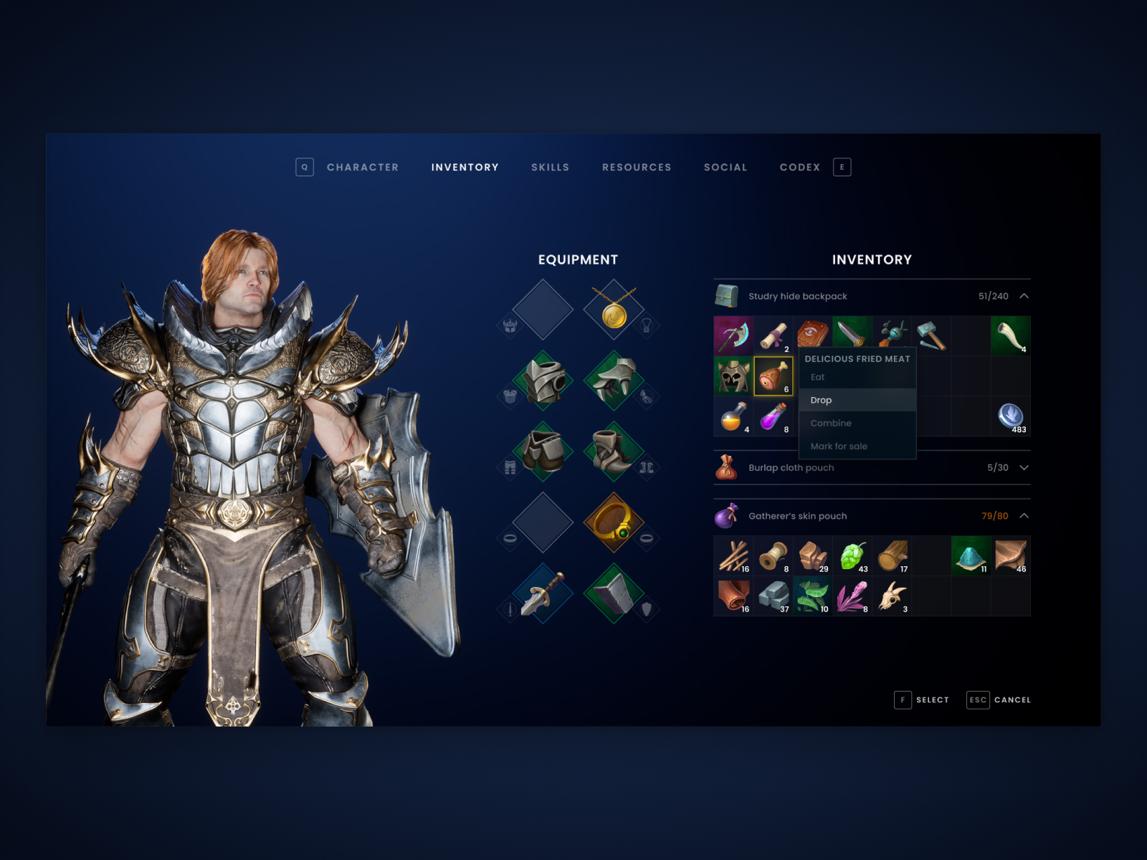
In traditional games, assets are stored on company servers, players have usage rights rather than ownership, and transfers are often restricted or prohibited. In contrast, blockchain-enabled games store assets on decentralized networks, tie ownership to a player’s digital wallet, and allow assets to be transferred, sold, or potentially used across ecosystems.
This distinction introduces permanence and portability—two features that have historically been absent from gaming.
How Blockchain Technology Enables Ownership
Blockchain systems rely on distributed ledgers to record transactions and asset ownership. In gaming, this often involves tokenized assets such as NFTs, which represent unique items.
These systems enable immutable records, allowing ownership to remain secure and tamper-resistant. They also provide transparency, enabling players to verify authenticity, and create the possibility of interoperability across platforms, though this is still developing in practice.
Common blockchain infrastructures such as Ethereum and Polygon support these systems through smart contracts and scalable transaction frameworks.
Real-World Examples of Blockchain in Gaming
Several games and ecosystems have experimented with blockchain-based ownership models, offering insight into both potential and limitations.
Axie Infinity demonstrated how players could earn and trade digital creatures with real-world value, though it also exposed risks tied to market volatility. The Sandbox focuses on user-generated content and virtual land ownership, enabling players to build and monetize experiences. Gods Unchained provides a trading card model where players truly own and can sell their cards outside the game.
These examples show that blockchain gaming expands economic participation rather than replacing gameplay itself.
The Economics of Player-Owned Assets
Blockchain introduces player-driven economies that differ significantly from traditional closed systems. In conventional games, developers control item availability, pricing, and trading. Blockchain allows more open market dynamics.
Secondary markets become formalized, digital scarcity becomes enforceable, and player investment can carry real-world value. However, asset prices can fluctuate due to demand, speculation, and broader crypto market trends.
As a result, blockchain gaming begins to resemble a hybrid between entertainment and financial ecosystems.
Benefits for Players and Developers
For players, blockchain gaming offers greater control over assets, the ability to trade or monetize gameplay, transparent ownership records, and potential cross-platform usability.
For developers, it introduces new revenue models through royalties and marketplaces, deeper engagement through economic incentives, and opportunities to build decentralized communities.
However, these benefits depend heavily on thoughtful game design. If financial incentives overshadow gameplay, player experience can suffer.
Challenges and Limitations Still Facing Adoption
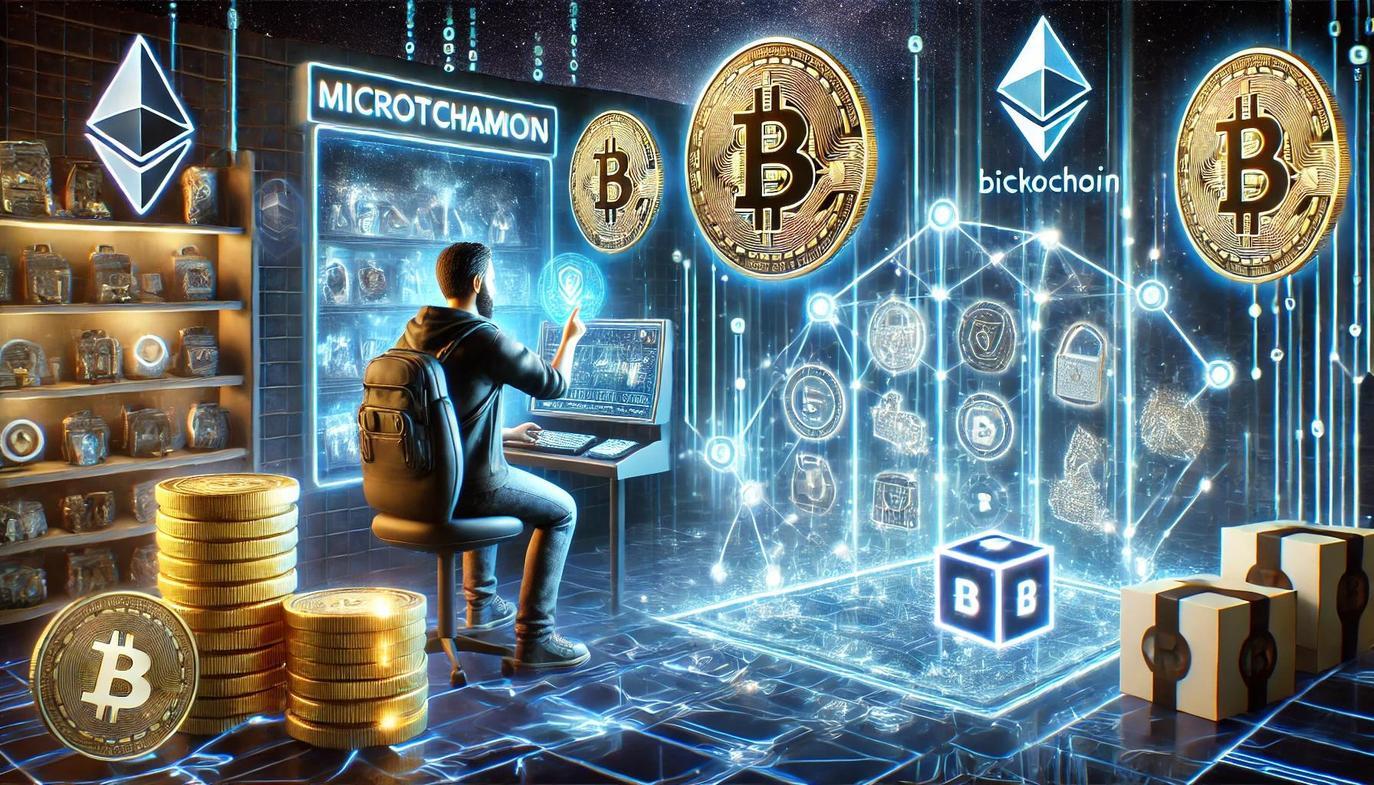
Despite its promise, blockchain gaming faces several barriers. Technical challenges include high transaction fees on some networks, scalability limitations, and complex onboarding for new users.
Regulatory uncertainty also plays a role, with unclear legal classifications of digital assets and potential tax implications for players.
From a user experience standpoint, managing wallets, ensuring security, and avoiding scams can be difficult, especially for newcomers. These issues continue to slow widespread adoption.
How Major Game Studios Are Responding
Large gaming companies have approached blockchain cautiously. Some have experimented with NFTs and tokenized assets, while others have delayed or reconsidered plans due to player backlash.
Concerns include pay-to-win mechanics, environmental impact, and excessive monetization. At the same time, newer blockchain technologies are addressing energy efficiency and usability concerns, potentially making future adoption more viable.
What This Means for the Future of Gaming
Blockchain is unlikely to replace traditional gaming models entirely. Instead, it may exist alongside them, particularly in genres that emphasize economies and customization.
Future developments may include cross-game asset ecosystems, decentralized player identities, and hybrid models that combine traditional gameplay with optional ownership features.
The most successful implementations will likely focus on enhancing gameplay rather than centering the experience around financial mechanics.
Is Blockchain Gaming Worth It for Everyday Players?
For many players, the appeal of blockchain gaming depends on priorities. Those focused on storytelling or competitive gameplay may prefer traditional models, while players interested in ownership and trading may find blockchain systems appealing.
Ultimately, the success of blockchain gaming will depend on balance—ensuring that ownership enhances the experience rather than replacing the core purpose of play.
Conclusion
Blockchain in gaming represents a meaningful shift in how digital ownership is defined and experienced. By enabling players to control, transfer, and potentially monetize their in-game assets, decentralized systems introduce new possibilities for engagement and value creation.
However, adoption remains gradual due to technical, regulatory, and design challenges. As the industry evolves, the most sustainable approach will be one that integrates blockchain thoughtfully—enhancing player experience while maintaining the core principles that make games enjoyable.
FAQs
More Articles

10 Incredible Benefits of Cloud Storage You Didn't Know About
4 min read | 13 Mar 2026
Revolutionize Your IT Strategy with Cloud Orchestration – Here’s How!
4 min read | 12 Mar 2026

Neuroethics: Ethical Considerations in Brain-Computer Interfaces
7 min read | 11 Mar 2026
The Future of Cryptographic Algorithms in Data Security
4 min read | 10 Mar 2026
More Articles
AI-Powered Cybersecurity: Can Machines Outthink Hackers?
14 min read | 07 Jun 2026

The Future of Generative AI in Creative Industries
7 min read | 06 Jun 2026

Machine Learning in Healthcare: Transforming Diagnosis and Treatment
5 min read | 05 Jun 2026

How Artificial Intelligence Is Redefining Workplace Productivity
10 min read | 04 Jun 2026