
Eco-Friendly Gadgets: Innovations for a Greener Tech Lifestyle
2 min read
06 Dec 2025
 By Oliver Davis
In an age dominated by technology, there is growing awareness of the environmental impact of our gadgets. From smartphones to laptops and smart home devices, our reliance on technology has consequences for the planet. However, there's a silver lining – a wave of eco-friendly gadgets and innovations is sweeping through the tech industry. These sustainable devices not only reduce our carbon footprint but also exemplify the fusion of technology and environmental responsibility. In this article, we'll explore the world of eco-friendly gadgets, highlighting their benefits, applications, and how they are paving the way for a greener tech lifestyle.
The Urgency of Eco-Friendly Gadgets
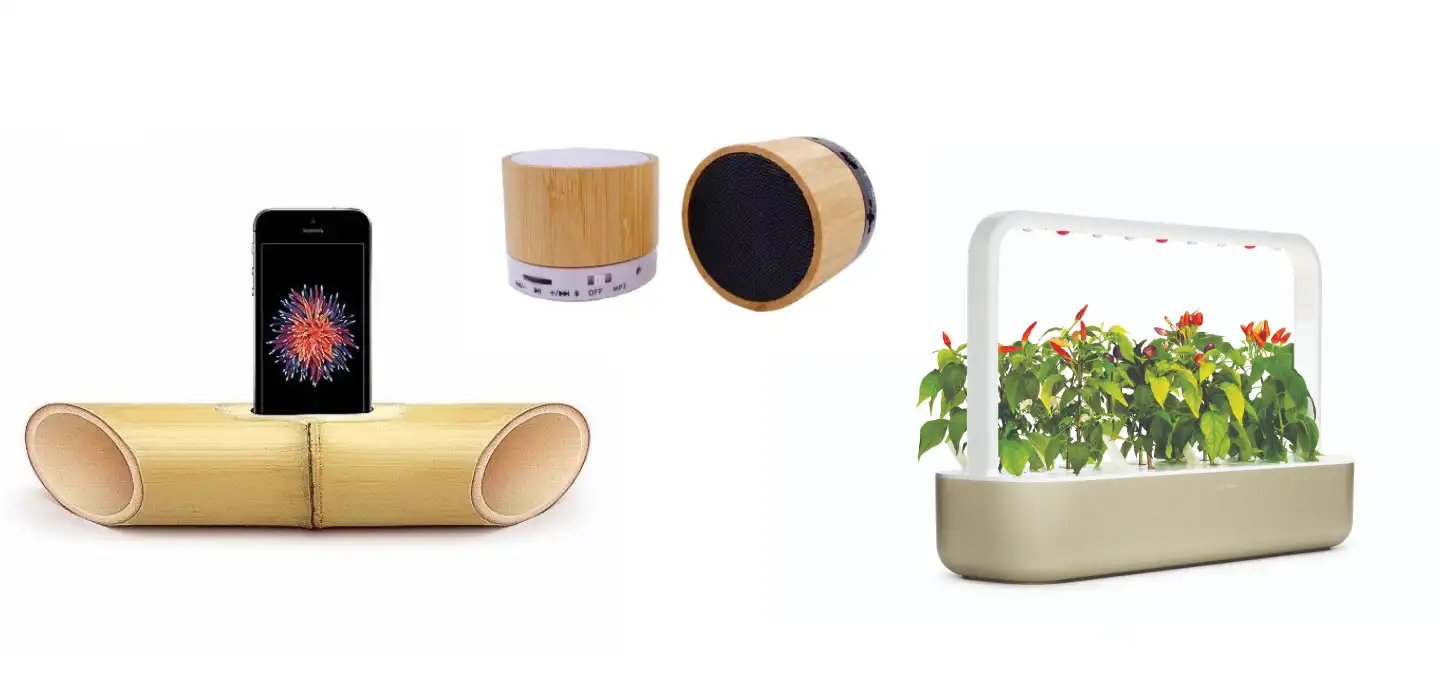
The rapid proliferation of electronic devices and the relentless pursuit of technological innovation have raised concerns about their environmental impact. The manufacturing and disposal of gadgets contribute to resource depletion, electronic waste, and carbon emissions. As a result, the need for eco-friendly gadgets has become increasingly urgent. These gadgets are designed with sustainability in mind, aiming to minimize energy consumption, reduce electronic waste, and promote responsible sourcing of materials.
Key Features of Eco-Friendly Gadgets
Eco-friendly gadgets exhibit several key features that set them apart from traditional counterparts:
Energy Efficiency: Eco-friendly gadgets are designed to be highly energy-efficient, consuming less power during operation and often incorporating features like automatic power-off or standby modes.
Sustainable Materials: These gadgets prioritize the use of sustainable and renewable materials, such as recycled plastics or bamboo, and minimize the use of harmful substances.
Longevity: Eco-friendly gadgets are built to last, reducing the need for frequent replacements and thereby minimizing electronic waste.
Low Environmental Impact: Throughout their lifecycle, from production to disposal, eco-friendly gadgets aim to minimize their environmental impact, often adhering to eco-certifications and standards.
Repairability: These gadgets are often designed with repairability in mind, making it easier for users to fix or upgrade components, thereby extending the lifespan of the device.
Recyclability: Eco-friendly gadgets are designed with recyclability in mind, ensuring that their components can be reused or recycled at the end of their life cycle.
Consumer Electronics: From smartphones and laptops to tablets and gaming consoles, eco-friendly gadgets are changing the landscape of consumer electronics by prioritizing sustainability in design and manufacturing.
Smart Home Technology: Eco-friendly smart home devices, such as energy-efficient thermostats, smart lighting, and solar-powered chargers, help homeowners reduce their carbon footprint and energy bills. Transportation: Electric vehicles (EVs) and hybrid cars are prime examples of eco-friendly gadgets in the automotive industry, helping reduce greenhouse gas emissions and air pollution.
Eco-friendly gadgets represent a significant step toward a more sustainable and responsible tech lifestyle. As technology continues to advance, the incorporation of sustainable materials, energy-efficient features, and responsible manufacturing processes will become the norm rather than the exception. By choosing eco-friendly gadgets, consumers can reduce their carbon footprint, conserve resources, and contribute to a more environmentally conscious tech industry. As a result, the future of technology promises to be both innovative and eco-friendly, offering a harmonious blend of cutting-edge capabilities and environmental responsibility.
FAQs
More Articles

The Subtle Ways AI Is Influencing Consumer Choices—and What It Means
10 min read | 04 Jun 2026

Why Machine Learning Adoption Is Accelerating Across American Industries
9 min read | 03 Jun 2026

Inside the New Wave of AI Tools Changing How Businesses Make Decisions
10 min read | 02 Jun 2026
What Recent Advances in Machine Learning Mean for Data Privacy in 2026
8 min read | 01 Jun 2026
More Articles

AI and the Creative Arts: Exploring Machine Generated Music and Art
6 min read | 16 Apr 2026

AI in Education: Personalized Learning and Intelligent Tutoring Systems
7 min read | 15 Apr 2026

The Impact of AI on Employment: Job Displacement vs. Job Creation
4 min read | 14 Apr 2026

Machine Learning in E-commerce: Personalization and Customer Experience
4 min read | 13 Apr 2026