
Why Machine Learning Adoption Is Accelerating Across American Industries
9 min read
03 Jun 2026
 By Prince Matthews
Machine learning adoption is rapidly accelerating across U.S. industries due to falling technology costs, massive data availability, and proven ROI in efficiency, forecasting, and automation. From healthcare to retail, organizations are integrating ML into core operations to stay competitive, improve decision-making, and reduce costs—making it less of an innovation experiment and more of a business necessity.
The Shift From Experimentation to Operational Necessity
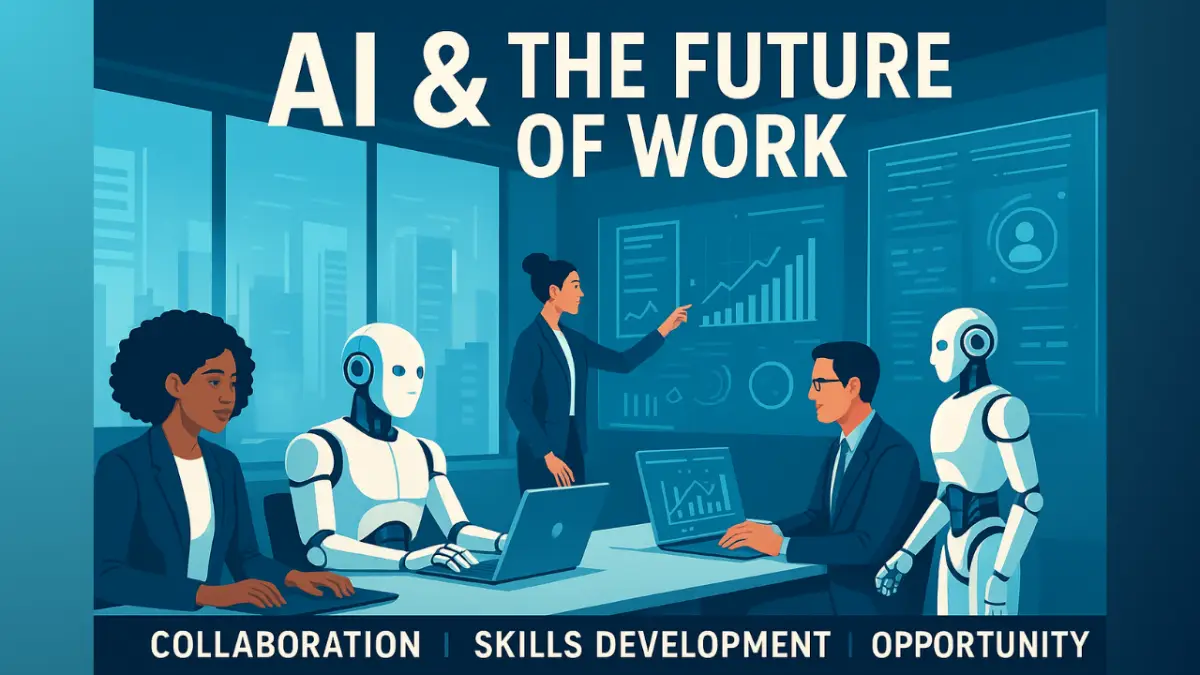
Machine learning (ML) is no longer confined to research labs or tech giants. Across American industries, it has transitioned from a “nice-to-have innovation” to a core operational capability. Companies are not just piloting ML—they are embedding it into everyday workflows, decision systems, and customer experiences.
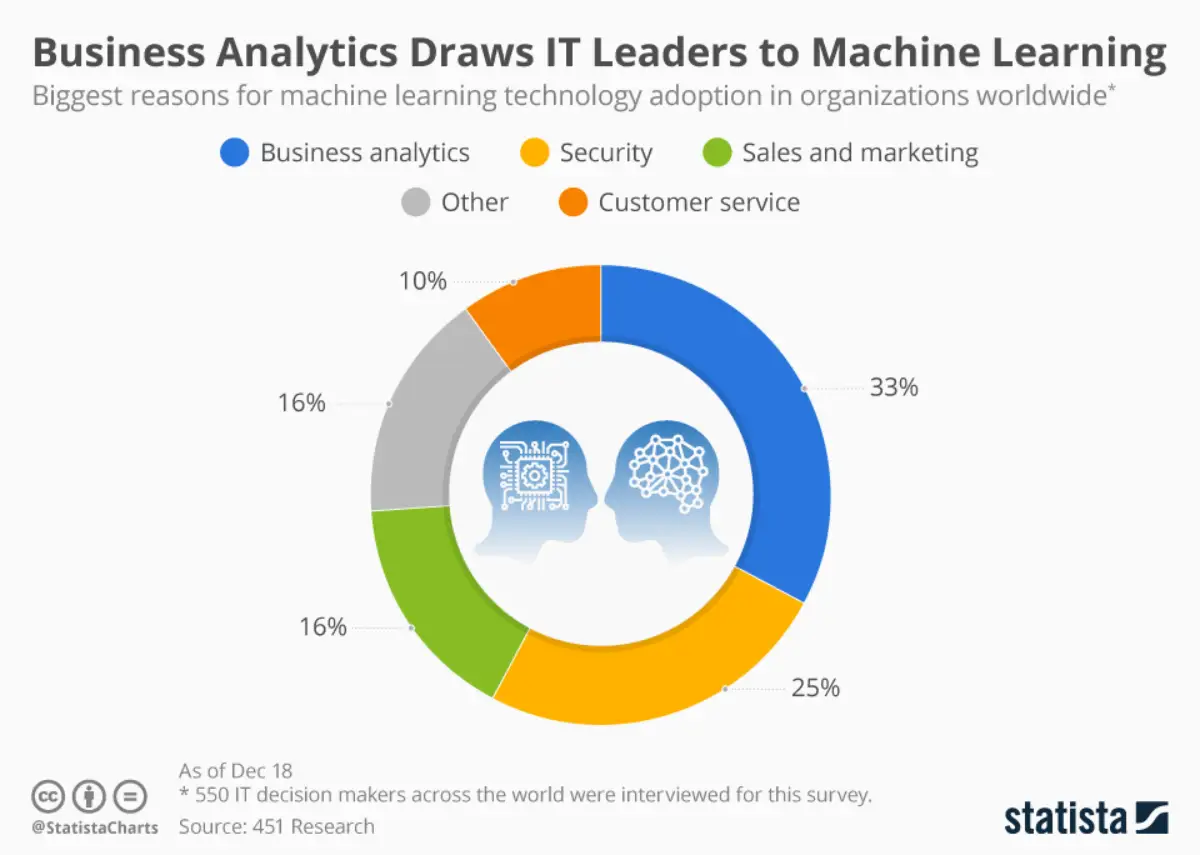
What’s driving this shift is simple: measurable outcomes. Organizations are seeing tangible improvements in productivity, cost reduction, and revenue generation. According to industry reports from firms like McKinsey and Deloitte, companies that adopt AI and ML at scale can improve operational efficiency by 20–30%.
This is no longer theoretical. Businesses that delay adoption risk falling behind competitors who are using ML to move faster, predict better, and serve customers more effectively.
Why Now? Key Forces Accelerating Adoption
Several converging trends explain why machine learning adoption is accelerating so rapidly in the U.S.
First, the cost of computing has dropped dramatically. Cloud platforms like AWS, Azure, and Google Cloud have made powerful ML infrastructure accessible without massive upfront investment. Companies no longer need to build their own data centers to leverage advanced models.
Second, data availability has exploded. Every digital interaction—transactions, clicks, sensor readings—creates data that can be used to train models. This abundance of structured and unstructured data fuels better predictions and insights.
Third, tools have become more user-friendly. Previously, ML required specialized PhDs. Today, no-code and low-code platforms allow analysts, marketers, and operations teams to build and deploy models with minimal technical expertise.
Finally, competitive pressure is intensifying. When one company uses ML to optimize pricing or logistics, competitors must follow to remain viable.
Real-World Industry Applications
Machine learning adoption isn’t uniform—it manifests differently across industries depending on their needs and data maturity.
Healthcare: Improving Outcomes and Efficiency
Hospitals and healthcare providers are using ML to predict patient outcomes, optimize staffing, and assist in diagnostics. For example, predictive models can identify patients at high risk of readmission, enabling earlier interventions.
ML is also helping radiologists analyze medical images faster and with greater consistency. While it doesn’t replace clinicians, it acts as a powerful decision-support tool.
Retail: Personalization at Scale
Retailers are leveraging ML to deliver highly personalized experiences. Recommendation engines suggest products based on browsing and purchase history, increasing conversion rates and average order value.
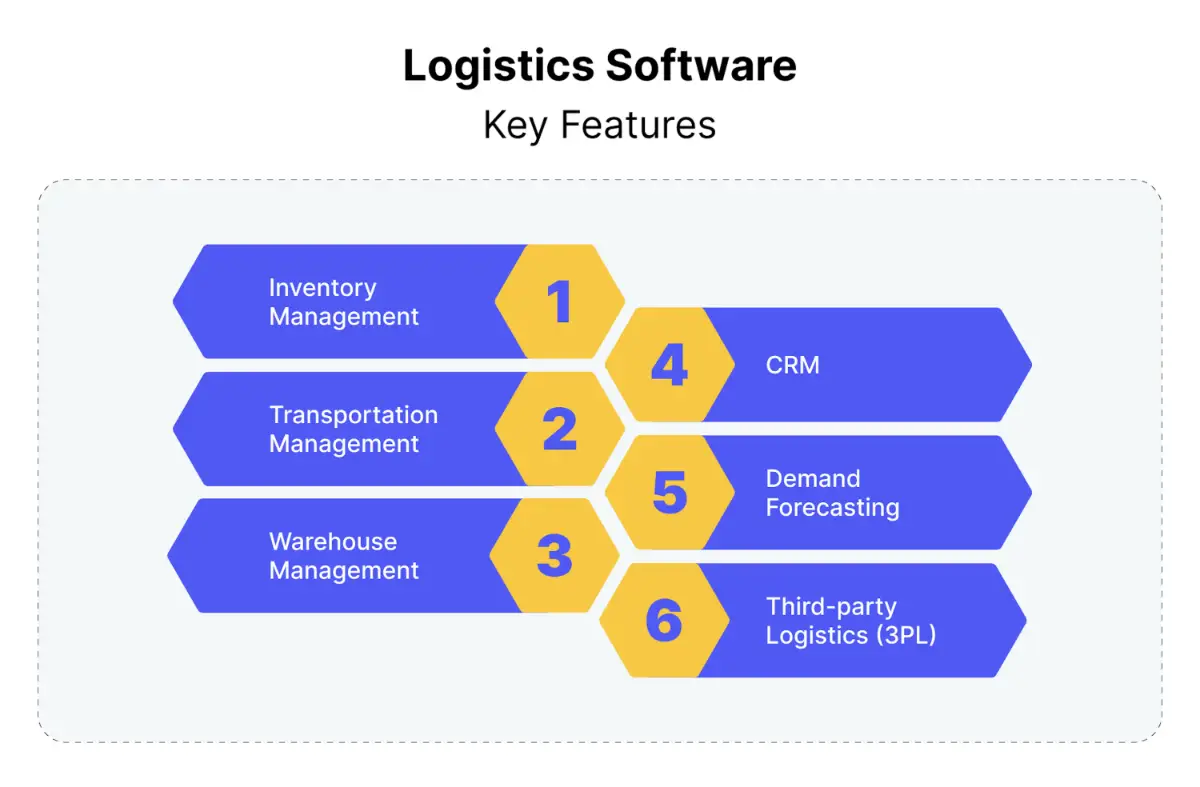
Inventory management is another major use case. ML models forecast demand more accurately, reducing overstock and stockouts—both of which directly impact profitability.
Manufacturing: Predictive Maintenance
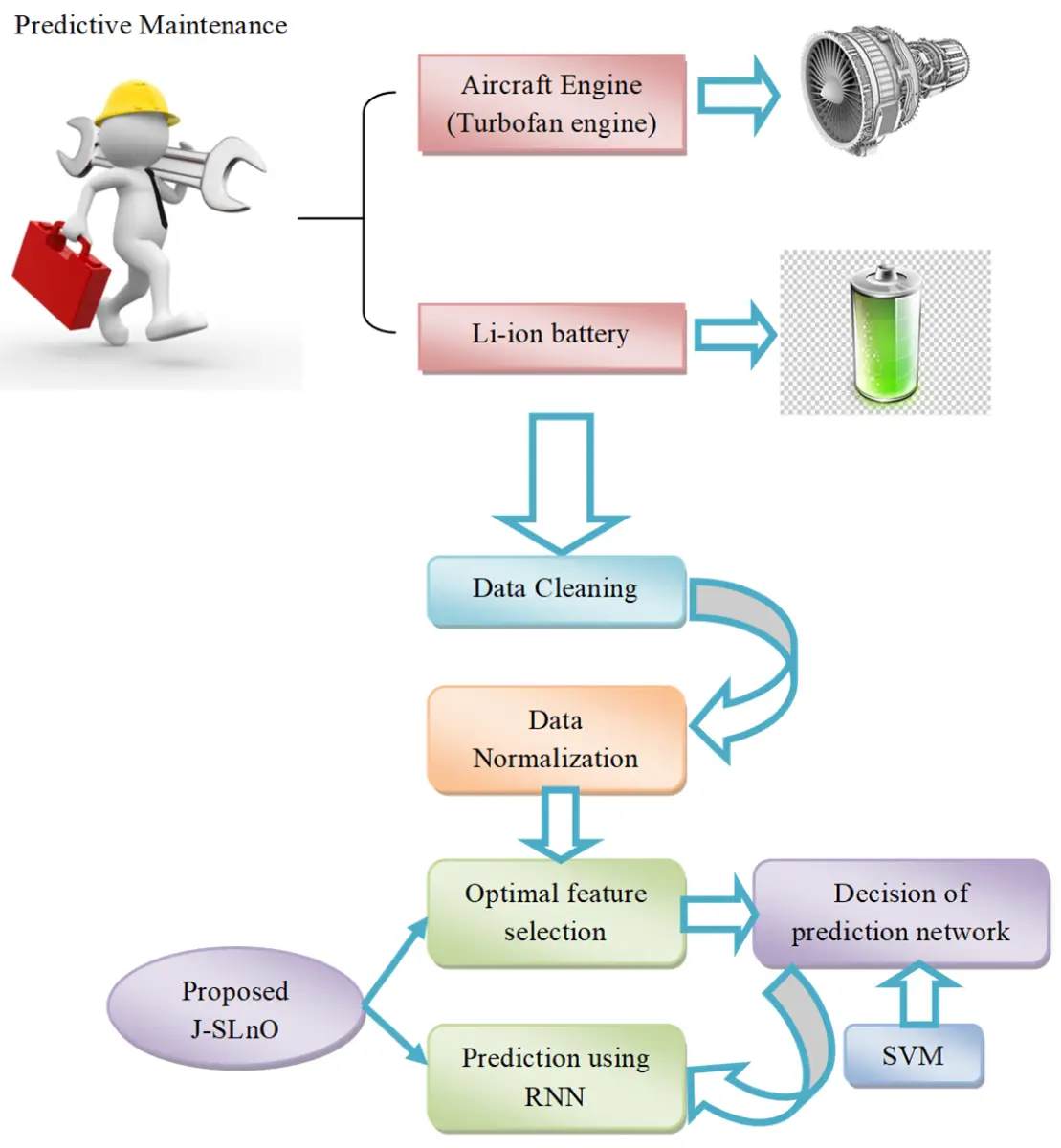
Manufacturers are using ML to monitor equipment performance and predict failures before they occur. Sensors collect real-time data, and models identify patterns that indicate potential breakdowns.
This approach reduces downtime, extends equipment life, and lowers maintenance costs—key drivers of operational efficiency in industrial environments.
Financial Services: Risk and Fraud Detection
Banks and financial institutions use ML to detect fraudulent transactions in real time. These systems analyze patterns across millions of transactions, flagging anomalies that human analysts might miss.
Credit scoring has also evolved. ML models can incorporate a broader range of variables, improving risk assessment while expanding access to credit.
The Business Case: ROI That’s Hard to Ignore
The acceleration of ML adoption is largely driven by clear financial returns. Organizations are not investing in ML for experimentation—they are doing it because it works.
Common areas where companies see ROI include: - Process automation: Reducing manual tasks and labor costs - Demand forecasting: Improving inventory and supply chain decisions - Customer insights: Increasing retention and lifetime value - Fraud prevention: Minimizing financial losses - Operational optimization: Enhancing efficiency across departments
For example, a mid-sized logistics company implementing ML-based route optimization can reduce fuel costs by 10–15%. In retail, improved demand forecasting can increase margins by minimizing unsold inventory.
These are not marginal gains—they directly impact the bottom line.
Workforce Transformation: Augmentation, Not Replacement
A common concern is whether machine learning will replace human jobs. In practice, the trend is more about augmentation than replacement.
ML handles repetitive, data-heavy tasks, freeing employees to focus on higher-value work such as strategy, creativity, and customer relationships.
However, this shift does require new skills. Organizations are investing in upskilling programs to help employees work alongside ML systems. Roles like data analysts, ML engineers, and AI product managers are in high demand.
Key workforce trends include: - Increased demand for data literacy across all roles - Growth in hybrid roles combining domain expertise and analytics - Expansion of internal training and reskilling programs
Companies that successfully integrate ML often prioritize people as much as technology.
Barriers Are Falling—but Not Gone
Despite rapid adoption, challenges still exist. Understanding these barriers is critical for organizations planning their ML journey.
Data quality issues remain one of the biggest obstacles. Poor or inconsistent data can undermine even the most advanced models.
Integration complexity is another challenge. Embedding ML into existing systems and workflows requires careful planning and technical expertise.
Regulatory and ethical concerns are also increasingly important. Industries like healthcare and finance must ensure that ML systems are transparent, fair, and compliant with regulations.
Talent shortages persist, especially for advanced roles like ML engineers and data scientists.
That said, these barriers are becoming more manageable as tools, best practices, and industry standards evolve.

Why Small and Mid-Sized Businesses Are Joining In
Machine learning is no longer exclusive to large enterprises. Small and mid-sized businesses (SMBs) are adopting ML at an increasing pace.
Cloud-based solutions and SaaS platforms have democratized access. SMBs can now implement ML-driven tools for marketing automation, customer segmentation, and sales forecasting without building custom models.
For example, a regional e-commerce business can use ML-powered analytics to identify high-value customers and optimize ad spend—something that previously required significant technical resources.
This democratization is a key factor accelerating overall adoption across the U.S. economy.
The Role of Generative AI in Accelerating ML
The rise of generative AI has further accelerated interest in machine learning. Tools that generate text, images, and code have made AI more visible and accessible to business leaders.
While generative AI is a subset of machine learning, its impact extends beyond content creation. It has increased executive awareness and driven investment in broader ML initiatives.
Companies experimenting with generative AI often expand into other ML applications, such as predictive analytics and automation.
Frequently Asked Questions
1. What is machine learning in simple terms? Machine learning is a type of artificial intelligence that allows computers to learn from data and make predictions or decisions without being explicitly programmed. 2. Why are U.S. companies investing heavily in machine learning? Because it delivers measurable ROI through efficiency gains, better decision-making, and improved customer experiences. 3. Which industries are adopting machine learning the fastest? Healthcare, finance, retail, manufacturing, and logistics are among the fastest adopters. 4. Is machine learning expensive to implement? Costs have decreased significantly due to cloud computing and SaaS solutions, making it accessible even for smaller businesses. 5. Do companies need data scientists to use machine learning? Not always. Many tools now allow non-technical users to build and deploy models, though advanced use cases still require expertise. 6. How does machine learning improve customer experience? By enabling personalization, faster service, and more accurate recommendations. 7. What are the risks of using machine learning? Risks include data privacy issues, biased models, and integration challenges if not managed properly. 8. How long does it take to see results from ML adoption? Some applications show results within months, especially in areas like marketing and operations. 9. Can small businesses benefit from machine learning? Yes, especially through affordable cloud-based tools that offer built-in ML capabilities. 10. Is machine learning the same as artificial intelligence? No. Machine learning is a subset of AI focused on learning from data.
Where Machine Learning Is Headed Next
Machine learning adoption across American industries is moving toward deeper integration rather than surface-level experimentation. The next phase will focus on embedding ML into core business processes, making it invisible but essential.
We can expect increased automation, more real-time decision-making, and tighter integration between ML systems and human workflows. Organizations that treat ML as infrastructure—not just a tool—will be better positioned to adapt and compete in an increasingly data-driven economy.
Key Insights at a Glance
- Machine learning adoption is driven by ROI, not hype
- Falling costs and accessible tools are accelerating adoption
- Every major U.S. industry is integrating ML differently
- SMBs are increasingly participating due to cloud solutions
- Workforce transformation focuses on augmentation, not replacement
- Data quality and integration remain key challenges
- Generative AI is accelerating broader ML adoption
FAQs
More Articles

AR and VR in Sports: Enhancing Performance and Fan Engagement
3 min read | 26 Apr 2026

Transforming Tourism: AR and VR Experiences in Travel
4 min read | 25 Apr 2026

Augmented Reality Marketing: Engaging Consumers in New Ways
5 min read | 24 Apr 2026

Exploring Virtual Worlds: The Promise of VR Gaming
5 min read | 23 Apr 2026
More Articles

Tech Innovations in Supply Chain Management
7 min read | 03 Feb 2026

The Role of Technology in Renewable Energy Solutions
4 min read | 02 Feb 2026

Cryptocurrency and Digital Assets: Trends and Challenges
5 min read | 01 Feb 2026

The Future of Work: Remote and Hybrid Models Powered by Tech
4 min read | 31 Jan 2026