
Using VR for Remote Collaboration: How Virtual Reality Is Bridging Distance Gaps
6 min read
25 May 2026
 By Neha Jain
Virtual Reality (VR) is revolutionizing remote collaboration by providing immersive and interactive environments that bridge the gaps created by physical distance. As the nature of work evolves and teams become more geographically dispersed, VR technology offers a powerful solution for enhancing communication, collaboration, and productivity in virtual spaces.
One of the most significant benefits of VR for remote collaboration is the ability to create shared virtual workspaces. VR platforms enable team members to come together in a digital environment, where they can interact with 3D models, conduct meetings, and work on projects as if they were physically present in the same room. This immersive experience fosters a sense of presence and engagement, making remote collaboration more effective and dynamic compared to traditional video conferencing tools.
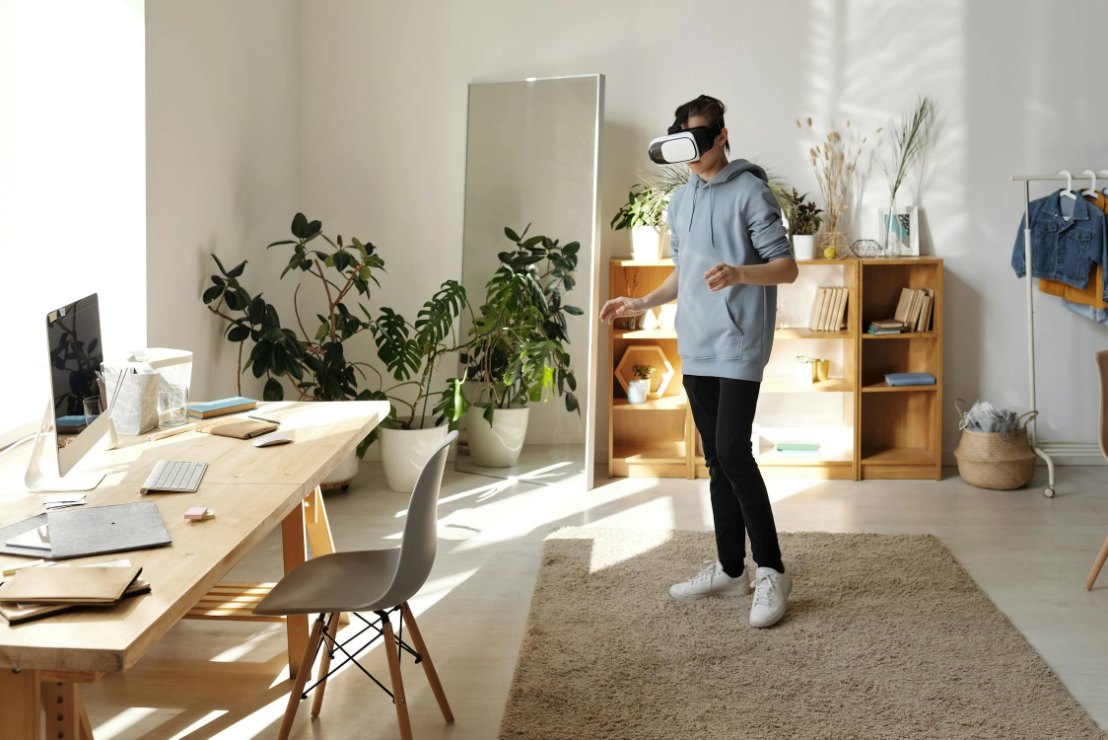
VR facilitates real-time interaction and collaboration, allowing team members to work together on projects and brainstorm ideas in a virtual setting. For example, design teams can use VR to review and modify 3D models of products or architectural plans, making real-time adjustments and providing immediate feedback. This level of interaction enhances the collaborative process and accelerates decision-making, as team members can see and manipulate digital content collectively.
In addition to enhancing collaboration, VR also improves communication by providing a more natural and immersive experience. VR environments can include avatars that represent team members, allowing for non-verbal communication cues such as gestures and facial expressions. This adds an extra layer of realism to virtual meetings and helps to reduce misunderstandings that can occur in text-based or audio-only communication.
Another advantage of VR for remote collaboration is its ability to simulate real-world scenarios and conduct virtual training. Teams can use VR to practice complex tasks, conduct role-playing exercises, and prepare for various situations in a safe and controlled environment. This immersive training approach helps team members develop skills and gain experience without the risks associated with real-world scenarios.
However, the adoption of VR for remote collaboration comes with challenges. The technology requires significant investment in VR hardware and software, and ensuring compatibility across different devices and platforms can be complex. Additionally, creating effective and user-friendly VR environments requires specialized skills and resources. Addressing these challenges is crucial for maximizing the benefits of VR for remote collaboration.
In conclusion, VR is transforming remote collaboration by offering immersive and interactive environments that enhance communication, teamwork, and productivity. By creating shared virtual workspaces and facilitating real-time interaction, VR bridges the gaps created by distance and provides new opportunities for effective remote collaboration. As VR technology continues to advance, its role in shaping the future of remote work is set to grow, offering innovative solutions for overcoming the challenges of distance.
FAQs
More Articles

Wearable Tech: The Integration of Health and Technology
6 min read | 22 May 2026

Cybersecurity in the Modern Age: Protecting Data in a Digital World
3 min read | 21 May 2026

Virtual Reality (VR) in Education: A New Way to Learn
5 min read | 20 May 2026
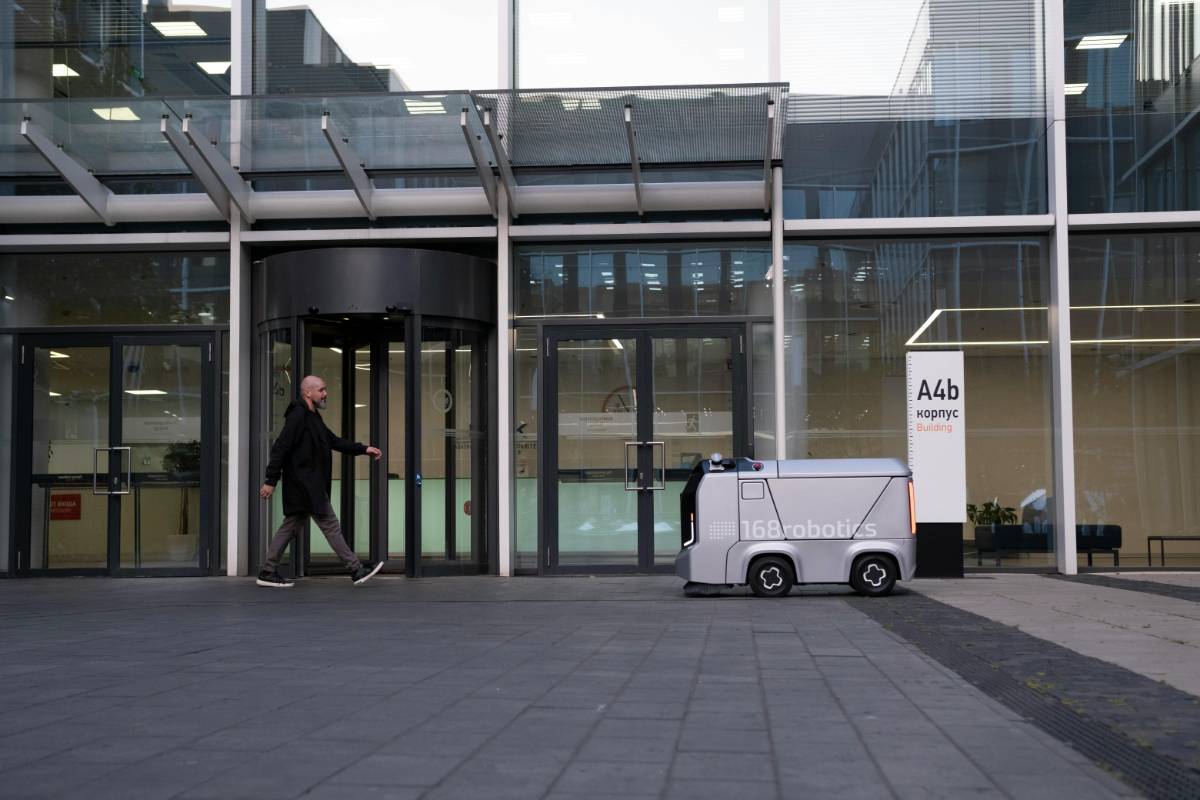
The Future of Robotics: Automation, AI, and Human Collaboration
4 min read | 19 May 2026
More Articles

AI in Smart Cities: Improving Urban Living with Intelligent Systems
7 min read | 09 May 2026

The Role of AI in Enhancing Accessibility for People with Disabilities
5 min read | 08 May 2026

AI in Human Resources: Streamlining Recruitment and Employee Management
4 min read | 07 May 2026

AI for Environmental Monitoring: Tracking and Responding to Ecological Changes
5 min read | 06 May 2026