
Robots in Everyday Life: From Companion Bots to Delivery Drones
4 min read
11 Dec 2025
 By Wilson Baker
The integration of robots into our daily lives is rapidly becoming a reality, reshaping the way we live, work, and interact with the world around us. From companion robots and autonomous vacuum cleaners to delivery drones and automated manufacturing, robots are taking on a variety of roles in our everyday routines. In this article, we will explore the expanding presence of robots in our lives, the diverse applications they serve, and the implications for society.
Robots as Companions

One of the most notable trends in robotics is the development of companion robots designed to interact with humans on an emotional and social level. These robots aim to provide companionship and support to individuals in various situations:
Elderly Care: Companion robots are increasingly being used to assist the elderly in aging populations. They can remind seniors to take medication, provide companionship, and even offer cognitive stimulation through games and conversations.
Autism Therapy: Robots have shown promise in assisting children with autism spectrum disorder. They provide a consistent and predictable social interaction environment, helping children improve their social skills.
Emotional Support: Some robots, like Pepper, have been designed to provide emotional support and companionship to individuals experiencing loneliness or depression. They can engage in conversations, read emotions, and respond empathetically.
Educational Aids: Robots are being used in classrooms to assist with special education. They can help students with learning disabilities by offering personalized instruction and assistance.
Robotic Vacuum Cleaners: Devices like the Roomba have become household staples, autonomously cleaning floors and carpets. They use sensors and advanced algorithms to navigate and avoid obstacles.
Smart Home Assistants: Voice-activated smart home assistants like Amazon's Alexa and Google Assistant are becoming central hubs for controlling various smart devices in the home, from lights and thermostats to security systems.
Home Security Robots: Robots equipped with cameras and sensors can patrol homes and properties, providing an extra layer of security. They can send alerts in case of suspicious activities.
Kitchen Robots: From automated coffee makers to robotic chefs capable of preparing meals, robots are entering the kitchen to help with cooking and food preparation.
Economic Impact: The widespread adoption of automation and robotics could have far-reaching economic consequences, potentially increasing productivity but also exacerbating income inequality.
The presence of robots in our everyday lives is expanding rapidly, transforming industries, healthcare, transportation, and our homes. From providing companionship to enhancing convenience and efficiency, robots are reshaping the way we live and work. As we navigate this robotic revolution, it is essential to consider the societal implications, including job displacement, data privacy, ethical considerations, and the broader economic impact. Striking a balance between the benefits of automation and the potential challenges it presents will be crucial in harnessing the full potential of robots in everyday life.
FAQs
More Articles
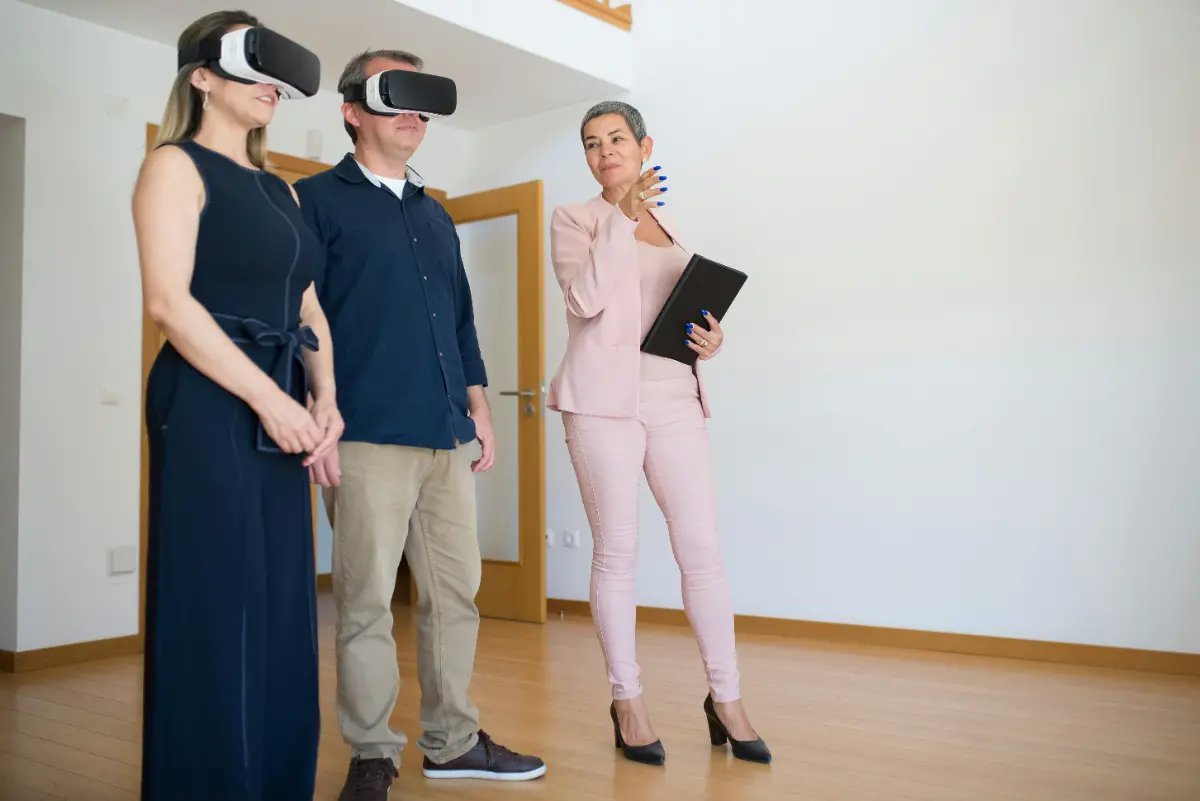
AR and VR Entertainment: Redefining the Entertainment Industry
3 min read | 18 Apr 2026

AR and VR Entertainment: Redefining the Entertainment Industry
5 min read | 17 Apr 2026

The Rise of Virtual Commerce: AR and VR in E-Commerce
6 min read | 16 Apr 2026

Exploring the Future: The Impact of AR and VR Technologies
5 min read | 15 Apr 2026
More Articles

The Potential of Blockchain in Real Estate: Simplifying Transactions and Ownership
7 min read | 29 May 2026

How Blockchain is Enhancing Intellectual Property Rights and Protection
6 min read | 28 May 2026

The Evolution of Blockchain Consensus Mechanisms: From Proof of Work to Proof of Stake
6 min read | 27 May 2026

Blockchain for Social Good: How Technology is Addressing Global Challenges
7 min read | 26 May 2026