
Exploring the Future: The Impact of AR and VR Technologies
4 min read
15 Apr 2026
 By Prince Matthews
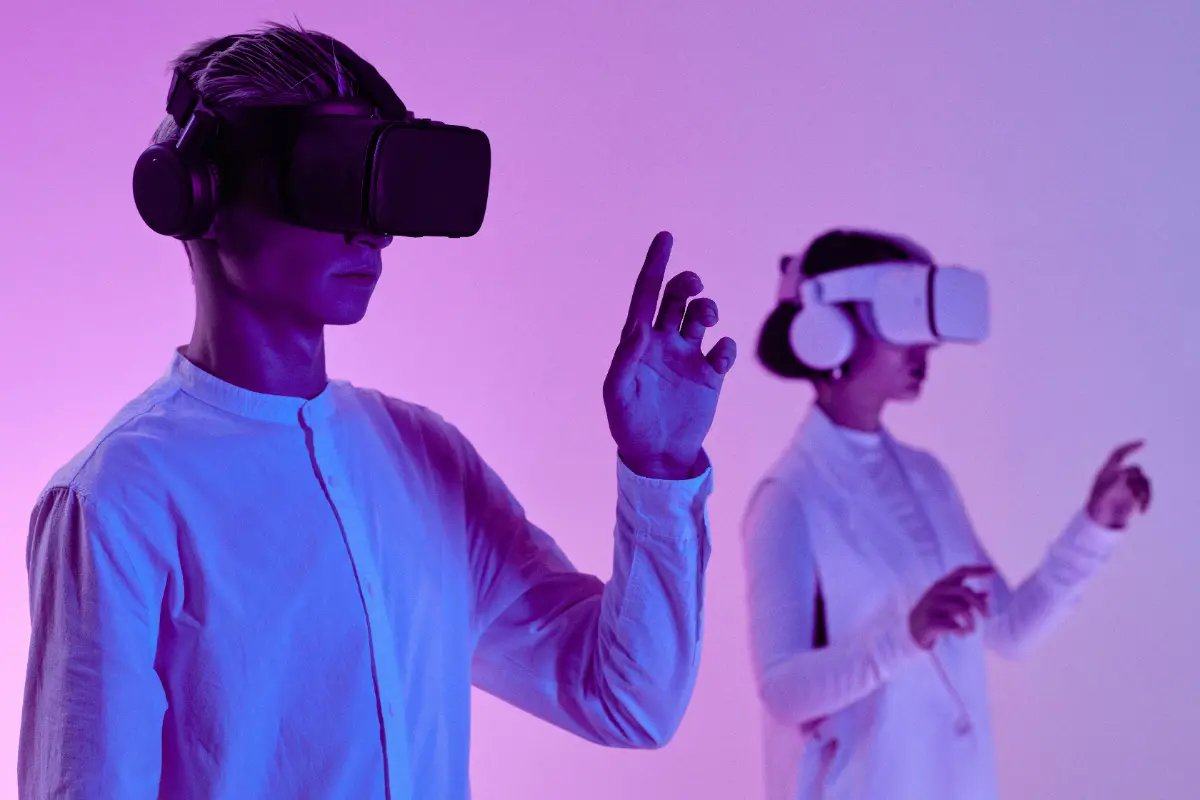
Augmented Reality (AR) and Virtual Reality (VR) technologies have rapidly evolved in recent years, offering exciting possibilities for transforming various industries and reshaping the way we interact with digital content. As we explore the future of AR and VR, it becomes increasingly clear that these immersive technologies will have a profound impact on our lives.
One of the key areas where AR and VR technologies are making a significant impact is in education. These immersive technologies are revolutionizing the learning experience by providing students with interactive and engaging content. VR simulations allow students to explore historical events, travel to distant planets, and conduct virtual experiments in a safe and controlled environment. Similarly, AR applications enhance traditional textbooks by overlaying digital content, such as 3D models and animations, onto real-world objects, making learning more interactive and accessible.
In the healthcare industry, AR and VR technologies are revolutionizing patient care and medical training. Surgeons can use AR headsets to overlay digital images, such as MRI scans or X-rays, onto a patient's body during surgery, providing real-time guidance and enhancing surgical precision. VR simulations allow medical students to practice surgical procedures and emergency scenarios in a realistic virtual environment, improving their skills and confidence before operating on real patients. Additionally, VR therapy is emerging as a promising treatment for various mental health conditions, such as phobias, PTSD, and anxiety disorders, by providing immersive exposure therapy experiences in virtual environments.
The impact of AR and VR technologies extends beyond education and healthcare to industries such as gaming, entertainment, architecture, and retail. In the gaming industry, VR technology enables players to immerse themselves in virtual worlds and interact with digital environments like never before, while AR games blur the line between the real world and the digital realm. In entertainment, VR experiences offer audiences the opportunity to step inside their favorite movies and TV shows, while AR applications enhance live events, theme park experiences, and museum tours.
In architecture and design, AR and VR technologies are transforming the way architects, engineers, and designers visualize and present their projects. Architects can use VR headsets to walk through virtual building models, explore different design options, and make real-time changes to their designs. Similarly, interior designers can use AR apps to visualize furniture and decor in a client's space before making any physical changes, reducing costs and streamlining the design process. In retail, AR applications enable customers to visualize products in their own homes before making a purchase, enhancing the online shopping experience and reducing the rate of product returns.
As we look ahead to the future of AR and VR technologies, it's clear that these immersive technologies will continue to evolve and expand into new industries and applications. From enhancing education and healthcare to transforming entertainment and retail, AR and VR have the potential to revolutionize the way we live, work, and interact with the world around us. However, it's essential to consider the ethical, social, and privacy implications of these technologies as they become more integrated into our daily lives.
In conclusion, the future of AR and VR technologies is filled with exciting possibilities and opportunities for innovation. By exploring the potential impact of these immersive technologies across various industries, we can better understand how AR and VR will shape the future and create new opportunities for growth and development.
FAQs
More Articles

Smart Contracts: Transforming Legal Agreements with Blockchain
4 min read | 08 Feb 2026

Space Exploration: The Role of Private Tech Companies
6 min read | 07 Feb 2026

The Evolution of Mobile Technology: From 4G to 6G
4 min read | 06 Feb 2026

Tech Solutions for Accessibility: Enhancing Lives for People with Disabilities
5 min read | 05 Feb 2026
More Articles

Edge Computing: Decentralizing Data Processing
6 min read | 28 Apr 2026

The Future of Biometric Security: Beyond Passwords
5 min read | 27 Apr 2026

Securing Your Sanctuary: The Rise of Advanced Home Security Systems
7 min read | 26 Apr 2026

The Future of Home Living: Exploring the Latest Smart Technologies
5 min read | 25 Apr 2026