
Beyond Gaming: Where Augmented and Virtual Reality Are Making Real-World Impact
10 min read
01 Jun 2026
 By Lewis Adam
Summary
Augmented and virtual reality are rapidly evolving beyond gaming into practical tools across healthcare, education, retail, manufacturing, and real estate. These technologies are improving training, enhancing decision-making, and creating immersive customer experiences. As costs decline and accessibility improves, AR and VR are becoming valuable, real-world solutions for businesses and consumers across the United States.
Introduction: From Entertainment to Everyday Utility
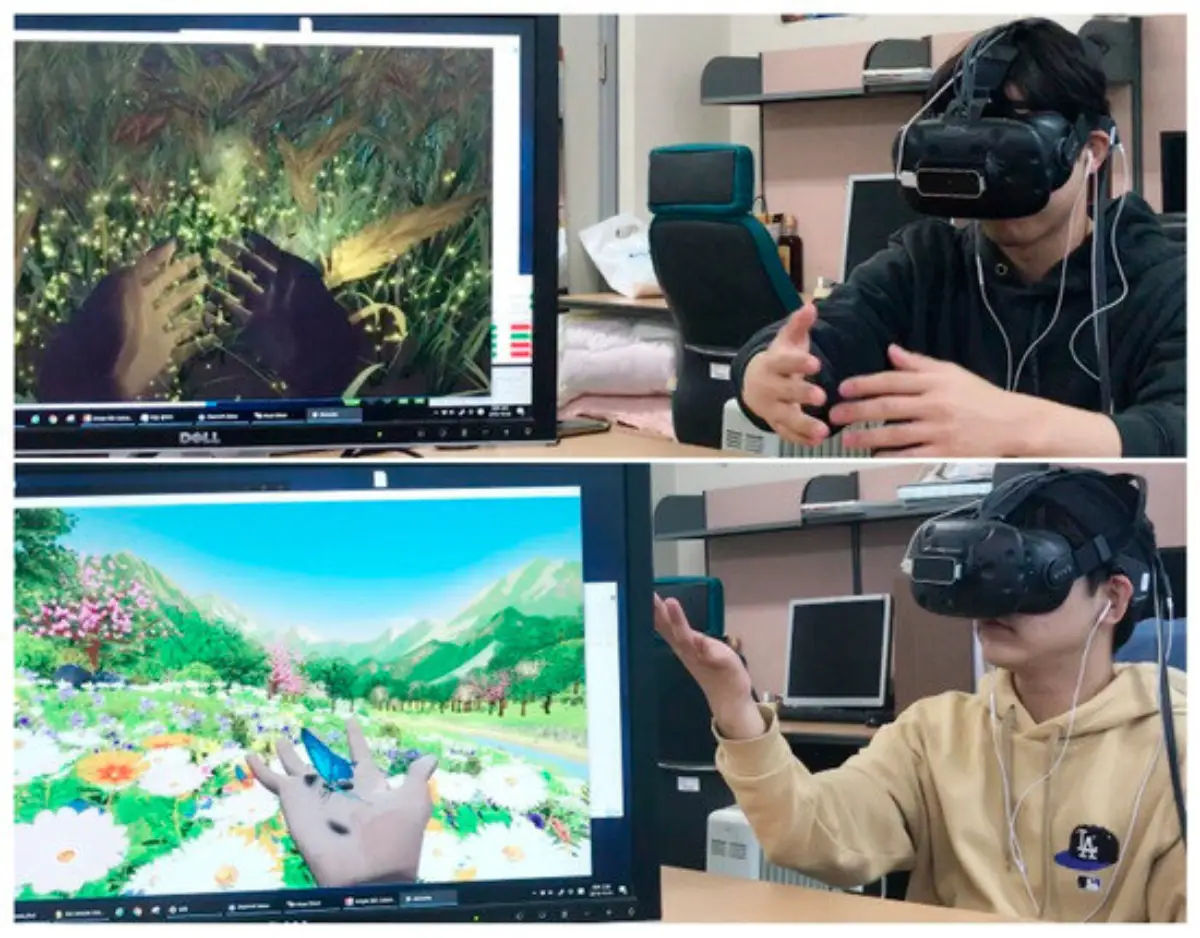
For years, augmented reality (AR) and virtual reality (VR) were largely associated with gaming and entertainment. While those industries still play a major role in innovation, the real transformation is happening elsewhere. Today, AR and VR are solving practical problems—reducing costs, improving safety, and enhancing how people learn, shop, and work.
In the U.S., industries are adopting immersive technologies not because they’re novel, but because they deliver measurable outcomes. According to PwC, VR-trained employees can be up to four times faster to train than in traditional classroom settings, while retaining more information.
This shift raises an important question many Americans are asking: Where are AR and VR actually making a difference in everyday life?
Healthcare: Improving Training, Treatment, and Patient Outcomes
Healthcare is one of the most impactful areas for AR and VR adoption. Hospitals and medical schools are using immersive simulations to train doctors without risking patient safety.
VR allows surgeons to practice complex procedures in a controlled virtual environment. Meanwhile, AR overlays digital information—such as veins or organs—onto real-world views during surgeries.
Beyond training, VR is being used for patient care: - Pain management during procedures - Physical rehabilitation programs - Exposure therapy for anxiety and PTSD
A practical example comes from U.S. hospitals using VR headsets to reduce pain perception during burn treatments. Patients report lower pain levels, often reducing the need for heavy medication.
Education and Workforce Training: Learning by Doing
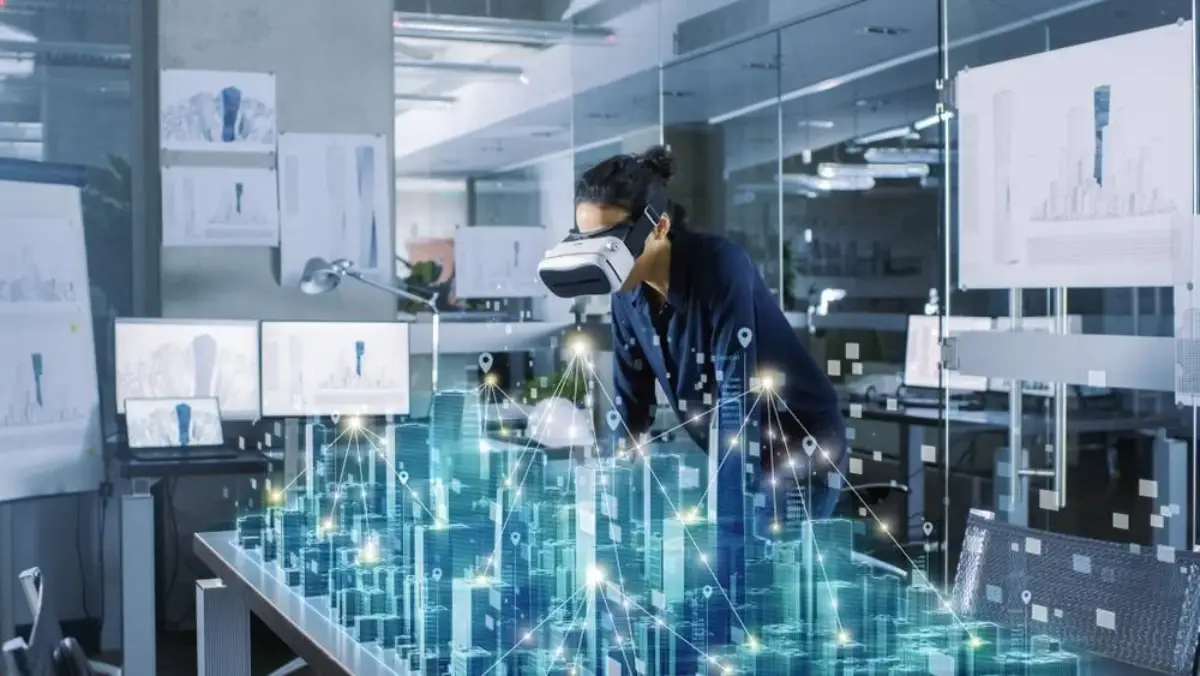
Traditional learning methods often struggle to replicate real-world environments. AR and VR solve this by enabling experiential learning.
In classrooms across the U.S., students can now: - Explore historical landmarks virtually - Conduct science experiments in simulated labs - Visualize complex 3D concepts like anatomy or engineering systems
For workforce training, VR is particularly effective in high-risk industries such as construction, aviation, and manufacturing.
Companies like Walmart have used VR to train employees for high-pressure scenarios such as Black Friday crowds. The result: better preparedness and improved performance under stress.
Key advantages include: - Safe repetition of dangerous tasks - Consistent training quality across locations - Reduced onboarding time
Retail and E-Commerce: Reducing Uncertainty in Buying Decisions
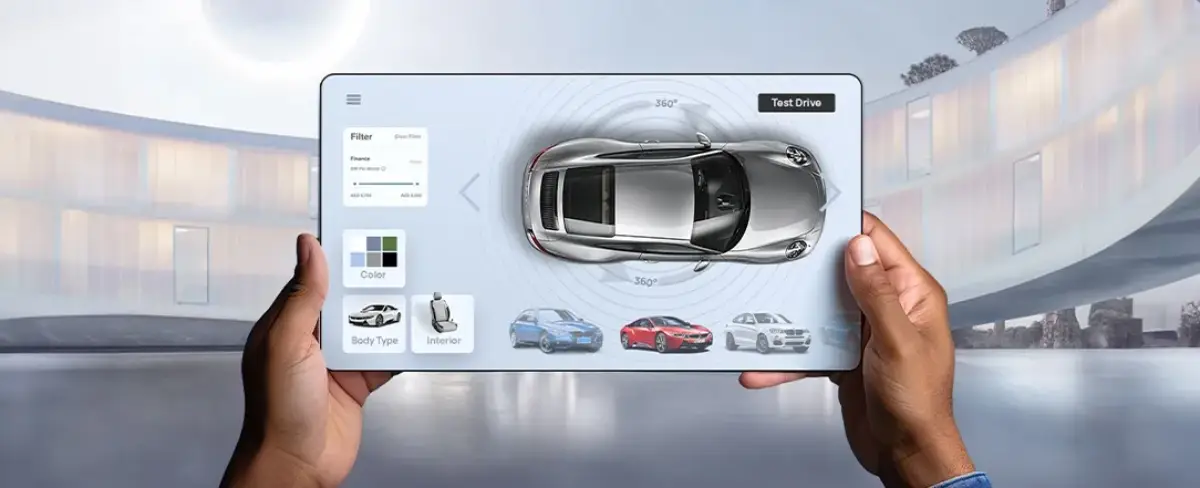
One of the biggest challenges in online shopping is uncertainty. AR is helping solve this by allowing customers to “try before they buy.”
In the U.S. retail market, AR applications now enable users to: - Visualize furniture in their homes - Try on glasses or makeup virtually - Preview how clothing fits
This leads to measurable business benefits: - Lower return rates - Increased customer confidence - Higher conversion rates
For example, furniture retailers offering AR previews report fewer returns because customers better understand scale and fit before purchasing.
Real Estate and Architecture: Visualizing Before Building
AR and VR are reshaping how Americans buy homes and design spaces.
Instead of relying solely on photos or floor plans, buyers can now take virtual walkthroughs of properties from anywhere. This is especially useful for: - Out-of-state buyers - New construction projects - Commercial real estate planning
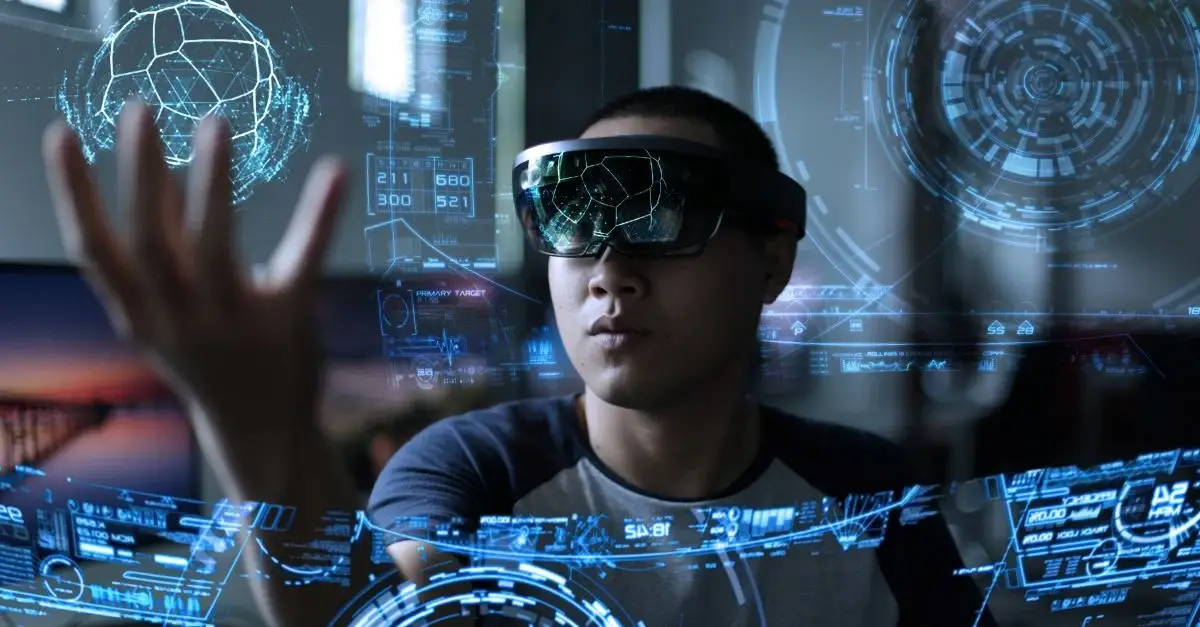
Architects and developers are also using VR to visualize projects before construction begins. This helps identify design flaws early, saving time and money.
Practical benefits include: - Faster decision-making - Improved client communication - Reduced need for physical staging
Manufacturing and Industrial Applications: Efficiency and Safety
Manufacturing is quietly becoming one of the largest adopters of AR.
Workers use AR headsets to receive real-time instructions while assembling products or repairing equipment. Instead of flipping through manuals, they see step-by-step guidance directly in their field of view.
This has several advantages: - Reduced human error - Faster task completion - Improved safety compliance
For example, technicians can receive remote assistance from experts who can see exactly what they’re seeing and guide them through complex repairs.
VR is also used for safety training, simulating hazardous scenarios without real-world risk.
Military and Emergency Services: High-Stakes Training
The U.S. military has long invested in simulation technology, but VR is taking it to a new level.
Soldiers can now train in highly realistic virtual environments that replicate combat conditions. This improves readiness without the cost and logistics of large-scale physical exercises.
Similarly, emergency responders—including firefighters and law enforcement—use VR simulations to practice: - Disaster response - Crisis management - Tactical decision-making
These immersive scenarios help professionals build muscle memory and improve decision-making under pressure.
Mental Health and Therapy: A New Frontier
Mental health treatment is another area seeing meaningful adoption of VR.
Therapists use VR for controlled exposure therapy, helping patients confront fears in a safe environment. This is particularly effective for: - Phobias (heights, flying, public speaking) - PTSD - Social anxiety
Unlike traditional therapy methods, VR allows gradual exposure with precise control over intensity.
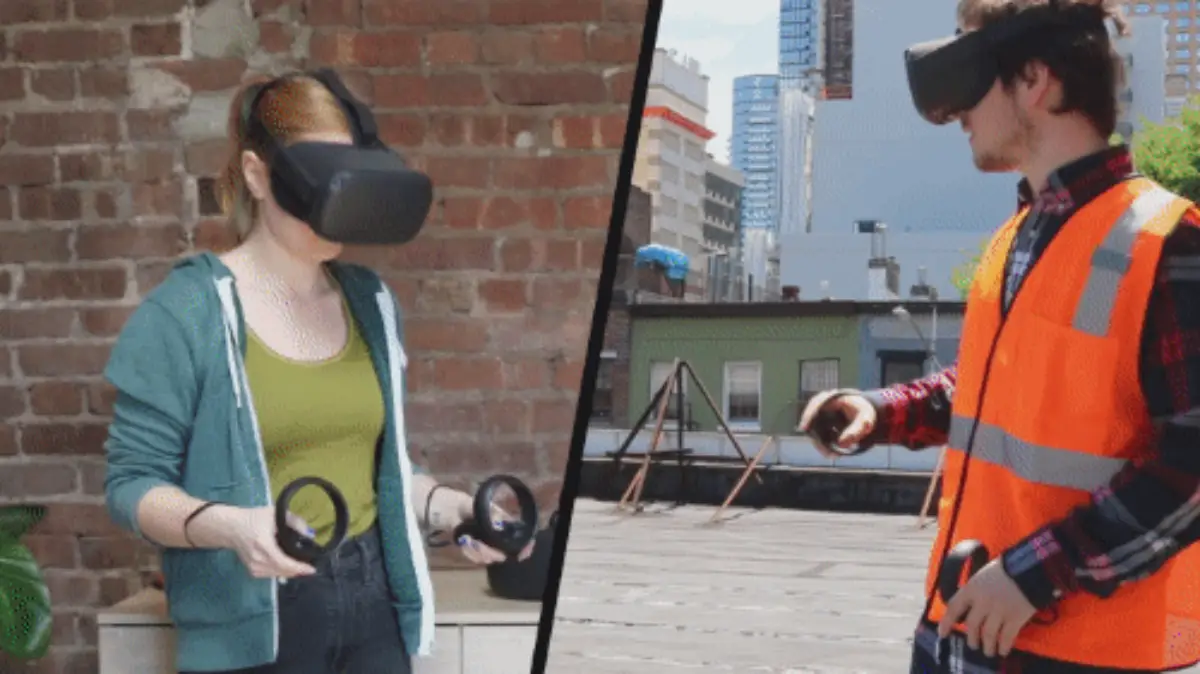
Additionally, VR meditation and relaxation environments are becoming popular tools for stress management, especially among busy professionals.
Tourism and Travel Planning: Experience Before You Go
Travelers increasingly want to know what they’re booking before they commit. VR is making that possible.
Tourism companies now offer virtual previews of: - Hotels and resorts - Tourist attractions - Cruise experiences
This helps travelers make more informed decisions and reduces disappointment.
During the COVID-19 pandemic, virtual tourism also became a temporary substitute for travel, and it continues to serve as a planning tool today.
Challenges and Limitations: What Still Needs Work
Despite its promise, AR and VR are not without challenges.
Common barriers include: - High upfront hardware costs - Limited content in some industries - User discomfort (motion sickness in VR) - Integration with existing systems
However, as hardware becomes more affordable and software ecosystems mature, these barriers are gradually decreasing.
Frequently Asked Questions
1. How are AR and VR different in real-world use? AR overlays digital content onto the real world, while VR creates a fully immersive virtual environment. AR is often used for real-time assistance, while VR is better for simulations and training.
2. Is AR or VR more widely used in business? AR currently sees broader adoption due to its flexibility and lower hardware requirements, especially in retail and manufacturing.
3. Are these technologies expensive for small businesses? Costs are decreasing, and many AR solutions now work on smartphones, making them accessible to smaller companies.
4. Can VR replace traditional training methods? Not entirely, but it significantly enhances training by providing hands-on experience without real-world risks.
5. Is VR safe for long-term use? Generally yes, but extended use can cause eye strain or motion sickness in some users.
6. How does AR improve customer experience? It reduces uncertainty by allowing customers to visualize products in real-world contexts before buying.
7. Are schools widely adopting VR? Adoption is growing, especially in STEM education, but budget constraints still limit widespread implementation.
8. What industries benefit most from AR and VR? Healthcare, education, retail, manufacturing, and real estate are currently seeing the most impact.
9. Do you need special equipment for AR? Not always—many AR experiences work on standard smartphones.
10. Will AR and VR become mainstream in daily life? Yes, as costs drop and applications expand, both technologies are expected to become more integrated into everyday activities.
The Quiet Shift Toward Practical Immersion
The most important change isn’t technological—it’s practical. AR and VR are no longer being evaluated based on novelty, but on results. Businesses are adopting them because they improve efficiency, reduce costs, and solve real problems.
For consumers, these technologies are becoming less noticeable and more useful. Whether it’s trying on glasses online, touring a home remotely, or learning a new skill safely, immersive tech is blending into everyday life.
The future of AR and VR won’t be defined by flashy demos, but by subtle, consistent utility.
What This Means Going Forward
- AR and VR are transitioning from niche tools to mainstream solutions
- Practical applications are driving adoption—not entertainment alone
- Industries are seeing measurable ROI from immersive technologies
- Accessibility is improving through mobile-based AR solutions
- Training, healthcare, and retail will continue leading adoption
- User experience and comfort remain key areas for improvement
- Long-term growth depends on real-world usefulness, not hype
FAQs
More Articles

Smart Homes: Transforming Living Spaces with IoT Devices
3 min read | 29 May 2026

Biotech Advancements: The Intersection of Technology and Biology
5 min read | 28 May 2026

The Future of Cloud Computing: Scalability and Security
3 min read | 27 May 2026

Green Tech Innovations: Sustainable Solutions for the Tech Industry
6 min read | 26 May 2026
More Articles
Moto G54 vs. iQOO Z7 Pro: A Clash of Mid-Range Titans
5 min read | 05 Jan 2026
Apple HomePod (2023): The Next Generation of Smart Home Audio
3 min read | 04 Jan 2026

Adventure 1 Electric Camper: Exploring the Outdoors in Comfort and Eco-Friendly Style
5 min read | 03 Jan 2026

DJI Air 3: Dual Camera Drone - Capturing Aerial Adventures in Style
4 min read | 02 Jan 2026