
Why Immersive Technology Is Quietly Reshaping How Americans Work, Learn, and Shop
10 min read
05 Jun 2026
 By Prince Matthews
Immersive technologies such as virtual reality (VR), augmented reality (AR), and mixed reality are gradually transforming how Americans interact with digital environments. What began primarily as entertainment technology is now influencing workplaces, classrooms, healthcare systems, and retail platforms. By blending digital information with physical experiences, immersive technology is creating new ways for people to learn, collaborate, and make purchasing decisions.
The Rise of Immersive Technology in Everyday Life
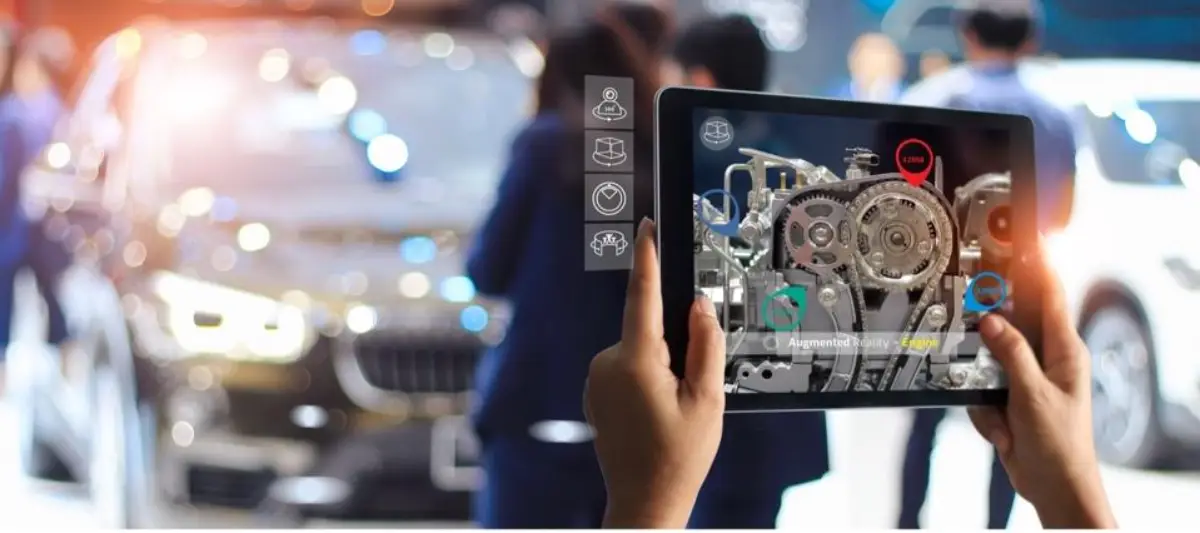
For decades, digital interaction has centered on screens. Smartphones, laptops, and tablets have become the primary gateways to online information. Immersive technology introduces a different model—one where users can step inside digital environments or see digital objects integrated with the real world.
Instead of simply reading information or watching videos, people can explore three-dimensional spaces, interact with virtual tools, and visualize objects as if they were physically present.
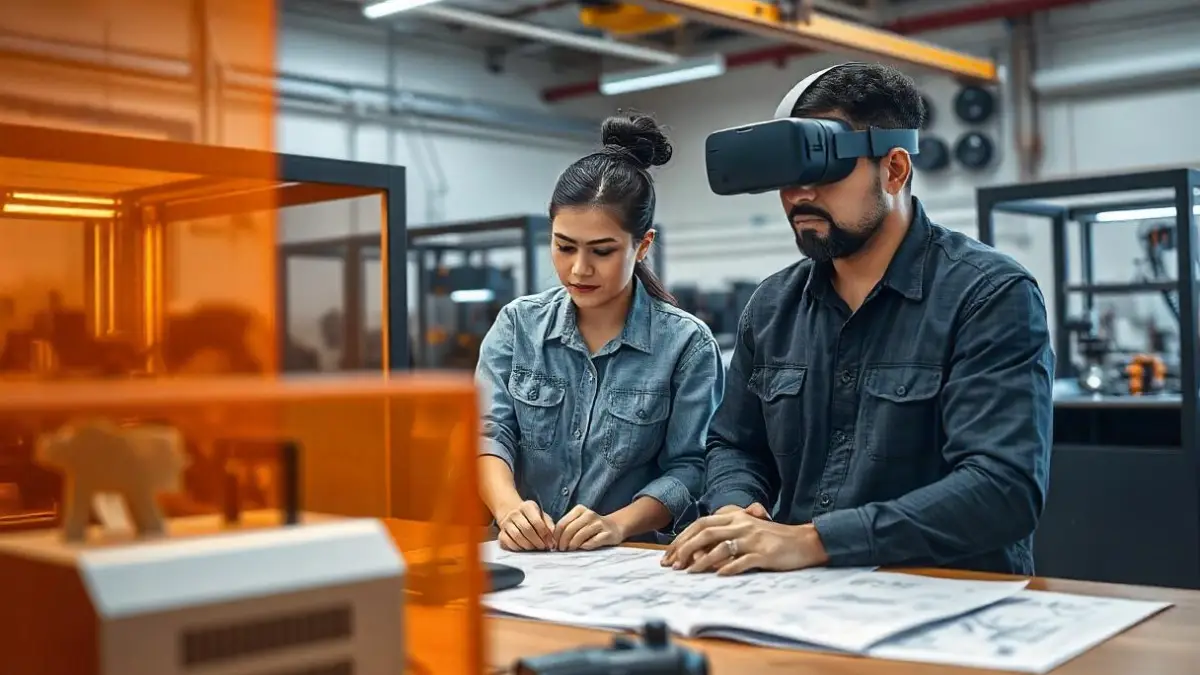
Engineers can walk around digital prototypes before manufacturing begins. Students can explore historical landmarks through virtual field trips. Shoppers can see how furniture might look inside their homes before purchasing.
Industry analysts suggest that immersive technologies could play a significant role in future digital infrastructure. As computing power improves and hardware becomes more accessible, immersive experiences are gradually expanding beyond specialized industries.
How Immersive Technology Is Transforming the Workplace
One of the most practical uses of immersive technology is workforce training. Businesses across sectors such as manufacturing, aviation, healthcare, and logistics are increasingly using VR simulations to help employees practice complex tasks.
Traditional training often relies on manuals, presentations, or classroom demonstrations. Immersive environments allow workers to learn through direct interaction with simulated tools and situations.
For example, warehouse employees can train in VR to understand equipment safety procedures before entering real facilities. Maintenance technicians can practice repairing complex machinery without shutting down actual production systems.
Companies adopting immersive training often report several advantages:
Faster learning through hands-on experience Higher information retention Improved safety training Reduced long-term training costs
Large organizations including Walmart, Boeing, and UPS have experimented with immersive training programs to prepare employees for real-world tasks.
Immersive Learning in American Education
Education is another area where immersive technology is gaining attention. Teachers and universities are using VR and AR tools to create interactive learning environments that help students better understand complex subjects.
Students studying biology can examine three-dimensional models of organs or cells. History classes can explore reconstructed ancient cities. Engineering students can interact with virtual machinery or architectural designs.
Medical schools have been among the earliest adopters of immersive education tools. Surgical trainees can practice procedures inside virtual operating rooms that simulate real medical environments.
Educators experimenting with immersive platforms often report increased student engagement, especially in subjects that benefit from visual and spatial exploration.
How Immersive Technology Is Transforming the Shopping Experience
Retailers are increasingly adopting immersive technologies to improve how consumers shop online and in stores. Augmented reality tools allow customers to visualize products before making purchasing decisions.
For example, furniture retailers offer mobile apps that let customers place digital versions of couches or tables inside their living rooms using smartphone cameras.
Cosmetics companies provide virtual try-on tools that allow shoppers to see how makeup products might appear on their faces. Automotive manufacturers have created digital showrooms where customers can explore vehicle interiors and customize features.
These tools help address one of the biggest challenges in e-commerce: uncertainty about how products will look or fit in real life.
Retail analysts suggest that immersive visualization tools can improve consumer confidence and reduce product return rates.
Healthcare Applications of Immersive Technology
Healthcare organizations are also exploring how immersive technologies can support both medical training and patient care.
Doctors can analyze detailed 3D visualizations of organs before performing surgeries. Medical students can practice emergency scenarios in simulated hospital environments that replicate real-world conditions.
Some hospitals also use VR experiences to help patients manage pain or anxiety during treatments. Immersive environments have been used during burn treatments or chemotherapy sessions as distraction therapy.
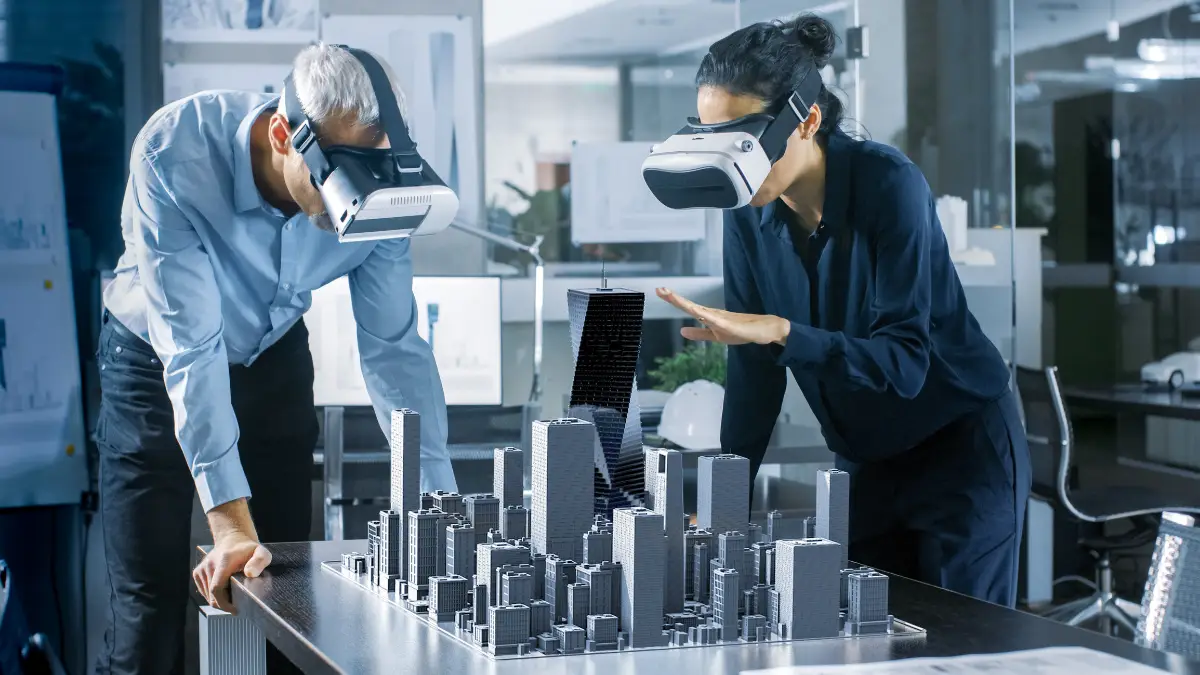
Medical researchers continue studying how immersive tools may improve both clinical training and patient outcomes.
Why Immersive Technology Is Becoming More Accessible
Several technological developments are accelerating the adoption of immersive platforms.
Hardware improvements have made VR headsets lighter and more comfortable. Smartphones now contain powerful processors capable of running advanced AR applications.
Other important drivers include:
Lower hardware costs compared with early VR systems Improved software platforms for creating immersive experiences Faster internet connectivity including 5G Growing interest from businesses and educational institutions
As these technologies mature, immersive tools may become as common in professional environments as smartphones and laptops.
Frequently Asked Questions
What is immersive technology? Immersive technology refers to digital systems such as virtual reality and augmented reality that create interactive environments where users can experience digital content in three dimensions.
Is immersive technology only used for gaming? No. While gaming helped popularize VR, many industries now use immersive tools for training, education, healthcare, and retail.
How do companies use VR for training? Businesses create simulated environments where employees can practice procedures, safety protocols, and equipment operation before performing tasks in real workplaces.
Can immersive technology improve learning outcomes? Many educators report that immersive learning environments increase engagement and help students understand complex topics more effectively.
Do consumers actually use AR shopping tools? Yes. Many retailers offer smartphone apps that allow customers to visualize products in their homes before purchasing.
Is immersive technology expensive? Costs have decreased significantly in recent years, making adoption more feasible for businesses and schools.
Which industries are adopting immersive technology fastest? Education, healthcare, manufacturing, retail, and workforce training are among the fastest-growing sectors.
Will immersive technology replace traditional workplaces? Most experts believe immersive tools will complement existing systems rather than replace them entirely.
A Gradual but Powerful Shift in Digital Interaction
Immersive technology represents a new phase in how people interact with digital information. Instead of simply viewing content on screens, users can explore environments and interact with digital objects in ways that feel more natural.
This transformation is happening gradually but steadily across workplaces, schools, healthcare systems, and retail platforms.
As immersive technology continues to evolve, it may quietly become one of the foundational layers of modern digital life—reshaping how Americans work, learn, and shop.
Signals of the Immersive Technology Era
Businesses are adopting VR simulations for workforce training Universities are integrating immersive environments into science and medical education Retailers are introducing AR tools for product visualization Healthcare providers are exploring VR for training and patient therapy Advances in hardware and connectivity are accelerating adoption
FAQs
More Articles

PropTech (Property Technology): The Real Estate Revolution
5 min read | 27 Apr 2026

InsurTech (Insurance Technology): How Tech is Transforming Insurance
5 min read | 26 Apr 2026

RegTech (Regulatory Technology): The Silent Revolution in Compliance
4 min read | 25 Apr 2026
Digital Wallets: The Future of Money Management
7 min read | 24 Apr 2026
More Articles
The Future of Generative AI in Creative Industries
10 min read | 06 Jun 2026
Machine Learning in Healthcare: Transforming Diagnosis and Treatment
4 min read | 05 Jun 2026

How Artificial Intelligence Is Redefining Workplace Productivity
6 min read | 04 Jun 2026

The Challenges of Bias in AI: Can Machine Learning Ever Be Truly Fair?
5 min read | 03 Jun 2026