
Why Deep Learning Has Become Central to Advances in Natural Language Processing
12 min read
09 Jun 2026
 By Prince Matthews
Deep learning has become the driving force behind modern natural language processing (NLP), enabling machines to understand, interpret, and generate human language with remarkable accuracy. From virtual assistants to real-time translation, deep learning models have transformed how businesses and individuals interact with technology, making language-based systems more intelligent, scalable, and context-aware than ever before.
The Evolution of Natural Language Processing
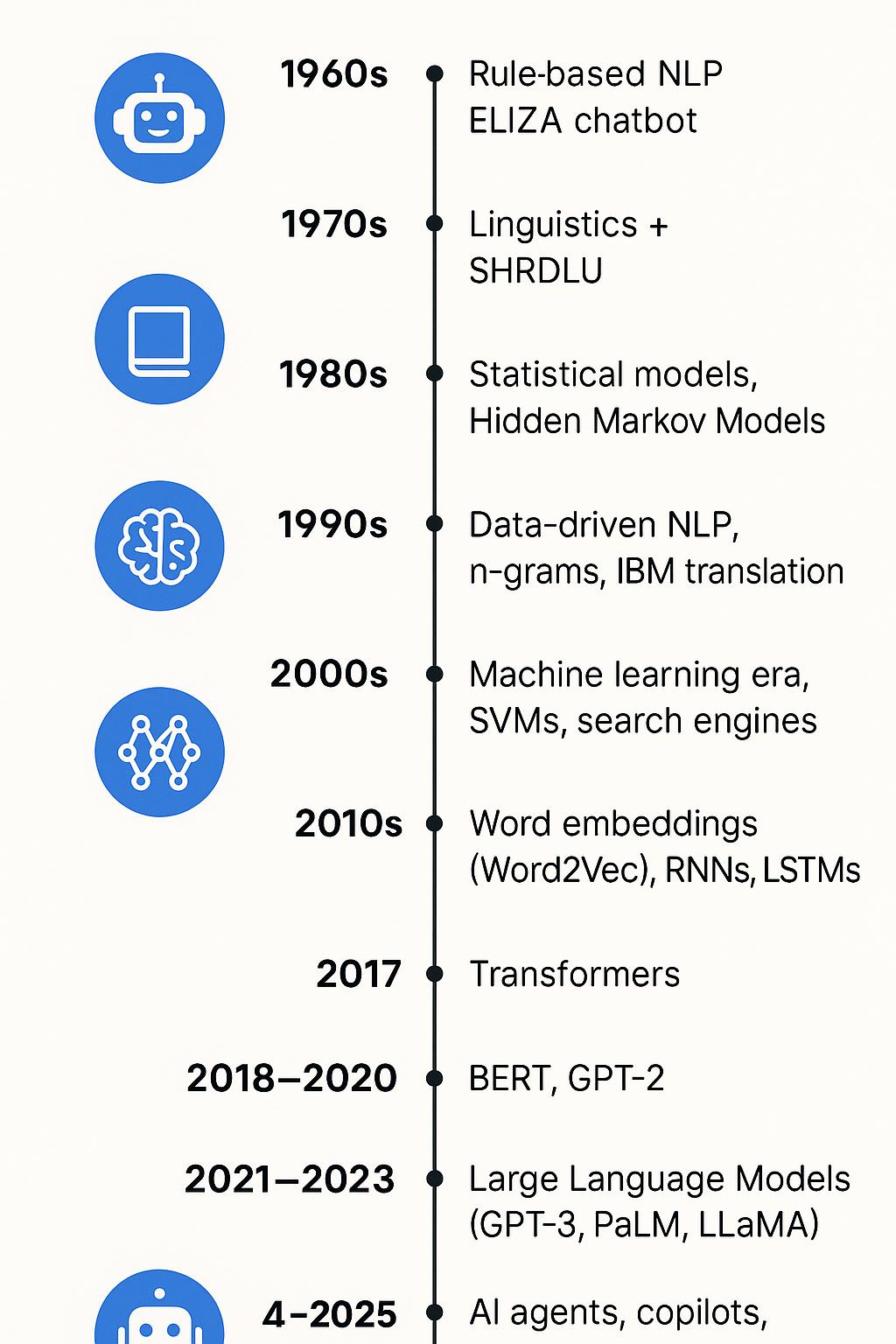
Natural language processing has come a long way from its early rule-based systems. Initially, NLP relied on manually crafted linguistic rules and statistical models that struggled to handle the complexity and variability of human language. These traditional approaches required extensive human intervention and often failed to capture context, tone, or ambiguity in real-world communication.
As digital communication expanded and data volumes increased, the limitations of these methods became more apparent. Businesses needed systems that could adapt to changing language patterns, understand user intent, and operate across diverse domains without constant reprogramming.
What Makes Deep Learning Different
Deep learning introduced neural networks capable of learning language patterns directly from large datasets. Unlike traditional models, these systems do not rely on predefined rules. Instead, they identify patterns, relationships, and structures within text through training, allowing them to generalize across tasks and contexts.
This shift has enabled NLP systems to process language in a more human-like way. Deep learning models can understand sentence structure, recognize context, and even detect subtle nuances such as tone or sentiment, making them significantly more effective for real-world applications.
The Rise of Transformer Models
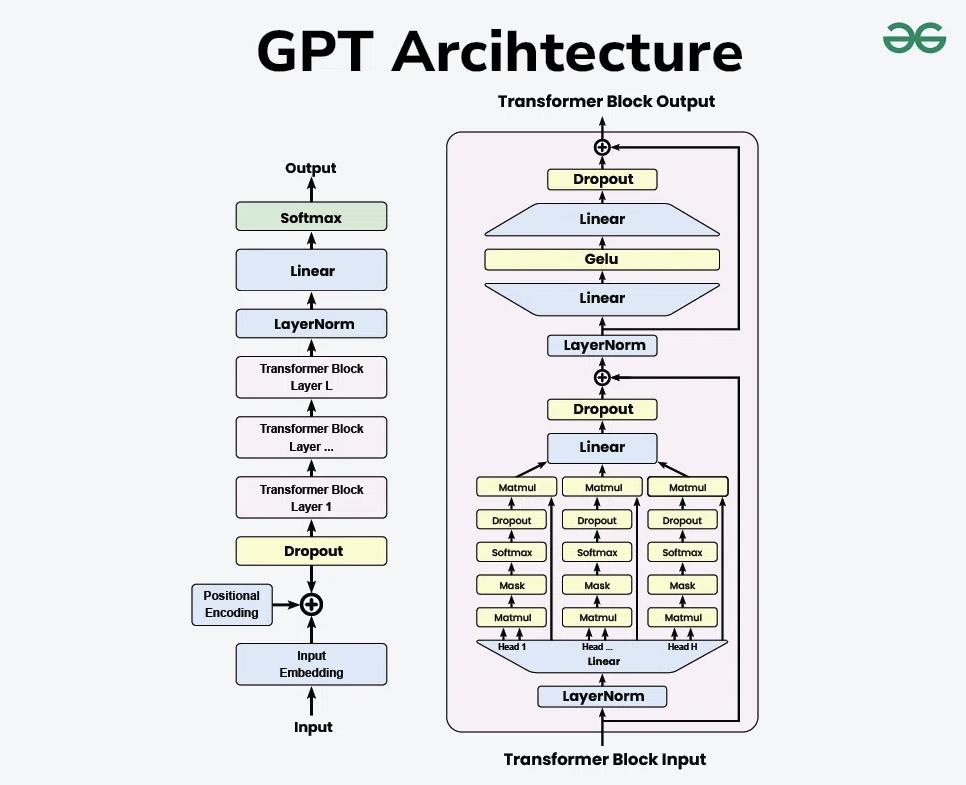
One of the most important breakthroughs in NLP has been the development of transformer architectures. These models use attention mechanisms to analyze relationships between words in a sentence, regardless of their position. This allows them to capture context more effectively than earlier neural network designs.
Transformers have become the foundation for many modern NLP systems, powering applications such as search engines, chatbots, and language translation tools. Their ability to process entire sequences of text simultaneously has significantly improved both speed and accuracy.
The Role of Data and Computational Power
The success of deep learning in NLP is closely tied to the availability of large-scale data and advanced computing resources. Modern models are trained on vast amounts of text from books, websites, and other digital sources, allowing them to learn grammar, semantics, and real-world knowledge.
In addition, improvements in hardware, such as GPUs and cloud computing platforms, have made it possible to train increasingly complex models. This combination of data and computational power has enabled rapid advancements in NLP performance and scalability.
Real-World Applications of Deep Learning in NLP
Deep learning has transformed NLP from a research field into a practical tool used across industries. Its applications are now deeply embedded in everyday technology and business operations.
Key applications include:
- Customer Support: AI-powered chatbots and virtual assistants can handle complex queries, reducing response times and improving user experience.
- Healthcare: NLP systems analyze clinical notes, assist in diagnostics, and streamline medical documentation.
- Finance: Algorithms process financial reports, detect fraud, and analyze market sentiment in real time.
- E-commerce: Search engines and recommendation systems understand user intent to deliver more relevant results.
- Media and Entertainment: Content personalization and automated captioning enhance user engagement.

Why Context Understanding Matters
One of the most significant advantages of deep learning in NLP is its ability to understand context. Traditional systems often treated words independently, leading to inaccurate interpretations. Deep learning models, however, analyze how words relate to each other within a sentence, enabling more precise understanding.
This capability is especially important for handling ambiguous language. For example, the meaning of a word can change depending on its context, and deep learning models can use surrounding information to determine the correct interpretation.
Pre-Trained Models and Accessibility
Pre-trained language models have made advanced NLP capabilities more accessible to businesses and developers. These models are trained on large datasets and can be fine-tuned for specific tasks, reducing the need for extensive data collection and training from scratch.
This approach has lowered the barrier to entry, allowing organizations of all sizes to implement NLP solutions efficiently. It also accelerates innovation by enabling faster deployment of new applications.
Challenges and Considerations
Despite its advantages, deep learning in NLP presents several challenges that must be addressed for responsible use.
Key challenges include:
- Bias in training data, which can lead to unfair or inaccurate outcomes
- High computational costs associated with training large models
- Limited interpretability, making it difficult to understand decision-making processes
- Data privacy concerns when handling sensitive information
Addressing these issues requires careful model design, ongoing monitoring, and adherence to ethical guidelines.
Conclusion
Deep learning has fundamentally transformed natural language processing by enabling machines to understand and generate language with unprecedented accuracy. Its ability to learn from data, capture context, and scale across applications has made it central to modern NLP advancements. As technology continues to evolve, deep learning will remain a key driver of innovation, shaping how humans interact with machines in increasingly meaningful ways.
FAQs
More Articles

Beyond Crypto-Kitties: The Future of Blockchain Gaming
5 min read | 07 May 2026

The Algorithmic Revolution: AI Meets Blockchain for Enhanced Security
7 min read | 06 May 2026

From Diamonds to Diplomas: How Blockchain Can Verify Anything
5 min read | 05 May 2026

The Future is Decentralized: How Blockchain is Shaping a New World Order
6 min read | 04 May 2026
More Articles

Wearable Tech: Enhancing Fitness and Health Monitoring
3 min read | 10 Dec 2025

Blockchain Beyond Cryptocurrency: Real-World Applications
5 min read | 09 Dec 2025

Smart Homes of Tomorrow: A Glimpse into the IoT Revolution
5 min read | 08 Dec 2025

5G Revolution: How Ultra-Fast Networks Are Changing Everything
5 min read | 07 Dec 2025