
Why Blockchain Is the Hidden Key to Unlocking AI's Full Potential
7 min read
22 May 2026
 By Sayan Gosh
Artificial Intelligence (AI) is rapidly advancing and transforming various sectors, from healthcare to finance, by leveraging vast amounts of data to make intelligent decisions and predictions. However, as AI continues to evolve, it faces challenges related to data integrity, transparency, and security. Blockchain technology, with its decentralized and immutable nature, offers solutions to these challenges, potentially unlocking AI's full potential by addressing key issues that currently limit its effectiveness.
One of the primary benefits of integrating blockchain with AI is enhanced data integrity. AI systems rely on large datasets to train and refine their algorithms. However, if the data is tampered with or corrupted, it can lead to inaccurate or biased outcomes. Blockchain's immutable ledger ensures that once data is recorded, it cannot be altered or deleted. By using blockchain to store and verify data, AI systems can ensure that the information they rely on is accurate and trustworthy, thereby improving the reliability of their outputs.

Transparency is another critical area where blockchain can benefit AI. Traditional AI models often operate as "black boxes," meaning that their decision-making processes are not transparent or easily understandable. Blockchain's decentralized ledger provides a transparent record of all data transactions and algorithmic processes. This transparency allows for greater accountability and traceability in AI decision-making, enabling users to understand how decisions are made and ensuring that AI systems adhere to ethical and regulatory standards.
Blockchain can also enhance the security of AI systems. As AI becomes more prevalent, the risk of cyberattacks and data breaches increases. Blockchain's cryptographic algorithms provide a high level of security for data storage and transmission. By securing data on a blockchain, AI systems can protect against unauthorized access and tampering, reducing the risk of malicious attacks and ensuring the integrity of the data used for training and decision-making.
Furthermore, blockchain can facilitate more efficient and secure data sharing among AI systems. In many cases, AI systems need to access data from multiple sources to function effectively. Blockchain can create a decentralized network for data sharing, allowing different AI systems to access and exchange data securely without relying on a central authority. This decentralized approach can enhance collaboration and innovation in AI by enabling diverse datasets to be utilized while maintaining data security and privacy.
Despite these advantages, integrating blockchain with AI also presents challenges. For instance, blockchain networks can face scalability issues when handling large volumes of data, which could impact the performance of AI systems. Additionally, ensuring interoperability between different blockchain platforms and AI systems is crucial for creating a seamless and integrated ecosystem. Regulatory and ethical considerations must also be addressed to ensure that the use of blockchain in AI adheres to legal and ethical standards.
In conclusion, blockchain technology holds significant promise for unlocking AI's full potential by addressing challenges related to data integrity, transparency, and security. By enhancing the reliability and accountability of AI systems, blockchain can drive innovation and improve the effectiveness of AI applications across various industries. As the technology continues to evolve, its integration with AI is likely to bring about transformative changes, paving the way for more robust and trustworthy AI solutions.
FAQs
More Articles

Digital Fabrication: Crafting the Future One Layer at a Time
7 min read | 05 Apr 2026
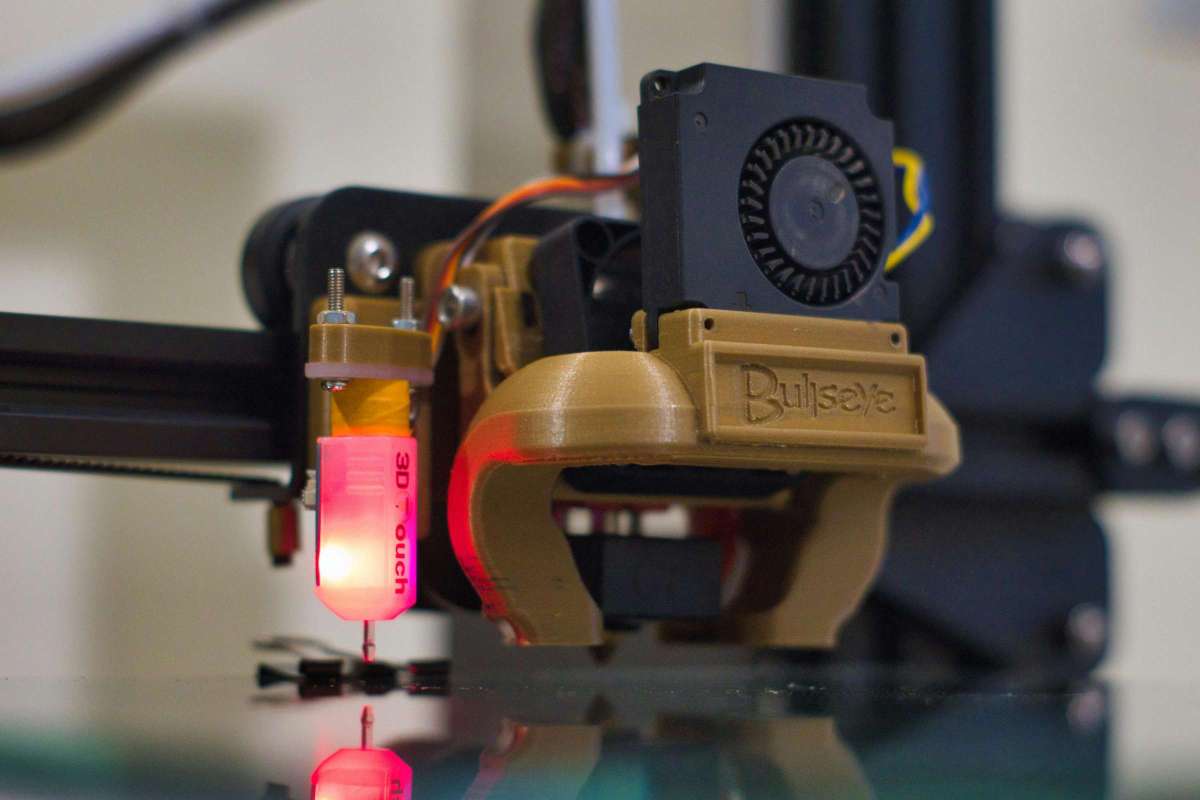
3D Printing: How It's Changing the World as We Know It
7 min read | 04 Apr 2026

Additive Manufacturing: The Technology Behind 3D Printing
7 min read | 03 Apr 2026

Industry 4.0: The Fourth Industrial Revolution Explained
4 min read | 02 Apr 2026
More Articles

How Blockchain is Driving the Future of Cross-Border Payments and Remittances
5 min read | 02 Jun 2026

Understanding the Legal and Regulatory Landscape of Blockchain Technology
5 min read | 01 Jun 2026

The Role of Blockchain in Digital Identity Verification and Management
5 min read | 31 May 2026

Blockchain in Gaming: How Decentralized Networks Are Changing the Industry
7 min read | 30 May 2026