
The Impact of Augmented Reality on Retail: Shopping in a Virtual World
7 min read
16 May 2026
 By Neha Jain
Augmented Reality (AR) is revolutionizing the retail industry by enhancing the shopping experience and transforming how consumers interact with products. AR technology overlays digital information onto the real world, allowing shoppers to visualize and interact with products in new and innovative ways. This immersive technology is reshaping retail by providing personalized and engaging experiences for customers.
One of the most significant impacts of AR in retail is virtual try-ons. AR applications enable customers to try on clothing, accessories, and cosmetics virtually, without needing to physically handle the products. For instance, AR fitting rooms allow users to see how clothes would look on them through their smartphones or AR glasses, eliminating the need for physical fitting rooms and reducing the time spent trying on multiple items. This convenience enhances the shopping experience and helps customers make more informed purchasing decisions.
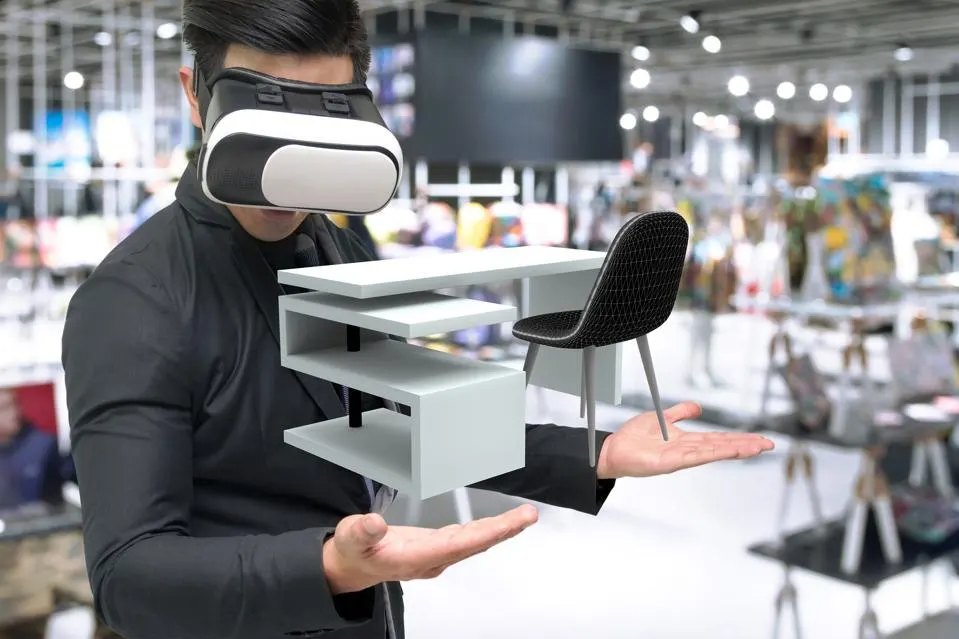
AR is also transforming the way consumers explore and discover products. Interactive product displays and virtual showrooms allow shoppers to view and interact with products in a virtual environment. For example, AR apps can overlay product information, reviews, and pricing directly onto physical products or store shelves, providing customers with instant access to relevant details. This approach enhances the in-store shopping experience and helps consumers find the products they are looking for more efficiently.
In addition to improving the shopping experience, AR technology is helping retailers enhance their marketing and branding efforts. AR-driven campaigns and promotions can engage customers through interactive experiences and gamified content. For instance, AR scavenger hunts or virtual treasure hunts can drive foot traffic to physical stores and increase brand awareness. By leveraging AR for marketing, retailers can create memorable and shareable experiences that resonate with consumers and encourage brand loyalty.
The integration of AR in retail also offers operational benefits for retailers. AR-powered inventory management systems can streamline stock management by providing real-time information on product availability and location. Additionally, AR technology can assist with visual merchandising and store layout planning by allowing retailers to preview and optimize product displays before making physical changes. This capability helps retailers create more appealing and efficient store environments.
However, the implementation of AR in retail comes with challenges. The cost of developing and maintaining AR applications, as well as the need for high-quality AR hardware, may be prohibitive for some retailers. Additionally, ensuring that AR experiences are user-friendly and accessible across various devices is crucial for maximizing their effectiveness and reach.
In conclusion, AR is transforming the retail industry by enhancing the shopping experience, improving product discovery, and driving marketing innovation. By providing virtual try-ons, interactive product displays, and engaging marketing campaigns, AR technology is reshaping how consumers interact with brands and making shopping more convenient and enjoyable. As AR technology continues to advance, its impact on retail will likely expand, offering new opportunities for both retailers and consumers.
FAQs
More Articles

Biometric Security: The Future of Passwords and Authentication
2 min read | 17 Dec 2025

Flying Cars: Making Science Fiction a Reality
2 min read | 16 Dec 2025

The Quantum Internet: Unbreakable and Superfast Communication
3 min read | 15 Dec 2025

Mind-Reading Technology: The Future of Brain-Computer Interfaces
5 min read | 14 Dec 2025
More Articles

Cryptocurrency Regulation: Balancing Innovation and Compliance
7 min read | 29 Mar 2026

Smart Contracts in Automating Business
4 min read | 28 Mar 2026

Blockchain Interoperability: Connecting the Future of Decentralized Networks
5 min read | 27 Mar 2026

Oracles in Blockchain: Bridging the Gap Between Smart Contracts and Real-World Data
2 min read | 26 Mar 2026