
Industrial IoT (IIoT): The Backbone of Modern Industry
5 min read
07 Apr 2026
 By Neha Jain
Industrial IoT (IIoT) represents a transformative force in modern manufacturing and industry, leveraging interconnected devices to enhance operational efficiency, productivity, and safety. This article explores the fundamentals, applications, and implications of IIoT across various industrial sectors.
Fundamentals of Industrial IoT (IIoT)

Connectivity: Enabling seamless communication between machines, sensors, devices, and cloud-based platforms.
Data Acquisition: Collecting real-time data on equipment performance, production metrics, and environmental conditions.
Analytics and Insights: Analyzing data to derive actionable insights for predictive maintenance, process optimization, and decision-making.
Applications Across Industries
Manufacturing: Monitoring production lines, optimizing workflow, and reducing downtime with predictive maintenance and quality control.
Energy: Enhancing efficiency in power generation and distribution through smart grid technologies and real-time monitoring of energy consumption.
Transportation: Improving fleet management, logistics, and supply chain visibility with asset tracking, route optimization, and predictive analytics.
Healthcare: Enhancing patient care with remote monitoring, asset tracking in hospitals, and inventory management of medical supplies.
Implications for Modern Industry
Operational Efficiency: Streamlining processes, reducing costs, and improving overall efficiency through automation and data-driven decision-making.
Safety and Compliance: Enhancing workplace safety with real-time monitoring of hazardous environments, equipment conditions, and compliance with regulatory standards.
Scalability and Flexibility: Adapting to changing market demands, scaling operations, and integrating new technologies to stay competitive in the global marketplace.
Challenges and Considerations
Cybersecurity: Mitigating risks associated with data breaches, unauthorized access, and cyber-attacks on interconnected IIoT devices and networks.
Interoperability: Ensuring compatibility and seamless integration of diverse IIoT systems, devices, and legacy infrastructure across different industrial environments.
Data Privacy: Safeguarding sensitive data collected from IIoT devices and ensuring compliance with data protection regulations and privacy laws.
Future Outlook
As IIoT continues to evolve with advancements in connectivity, edge computing, and artificial intelligence, its role in transforming industrial operations and driving innovation is expected to expand. Embracing IIoT technologies will be crucial for businesses aiming to achieve operational excellence, sustainability, and resilience in a rapidly evolving digital landscape.
FAQs
More Articles

Wearable Gadgets for Fitness Enthusiasts: Beyond the Smartwatch
2 min read | 23 Dec 2025

The Rise of Foldable Smartphones: Cutting-Edge Gadgets in Your Pocket
3 min read | 22 Dec 2025

2023's Must-Have Gadgets: A Comprehensive Guide
5 min read | 21 Dec 2025
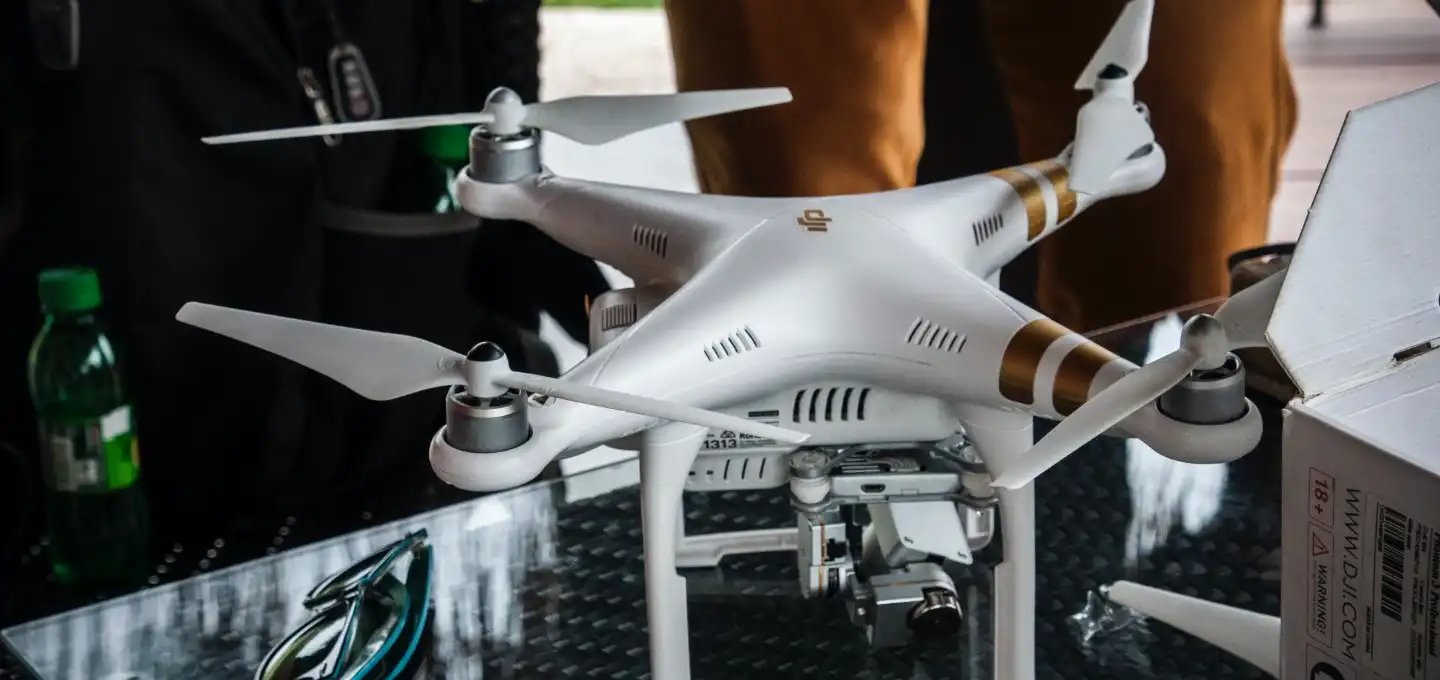
The Era of Drone Delivery: From Packages to Pizza
5 min read | 20 Dec 2025
More Articles

Biometric Security: The Future of Passwords and Authentication
4 min read | 17 Dec 2025

Flying Cars: Making Science Fiction a Reality
3 min read | 16 Dec 2025

The Quantum Internet: Unbreakable and Superfast Communication
2 min read | 15 Dec 2025

Mind-Reading Technology: The Future of Brain-Computer Interfaces
3 min read | 14 Dec 2025