
How Deep Learning Is Quietly Reshaping the Future of Natural Language Processing
12 min read
05 Jun 2026
 By Prince Matthews
Deep learning is fundamentally transforming natural language processing (NLP), enabling machines to understand, generate, and interact with human language more effectively than ever before. From chatbots to search engines, these advancements are improving accuracy, personalization, and efficiency across industries, quietly reshaping how people communicate with technology in everyday life.
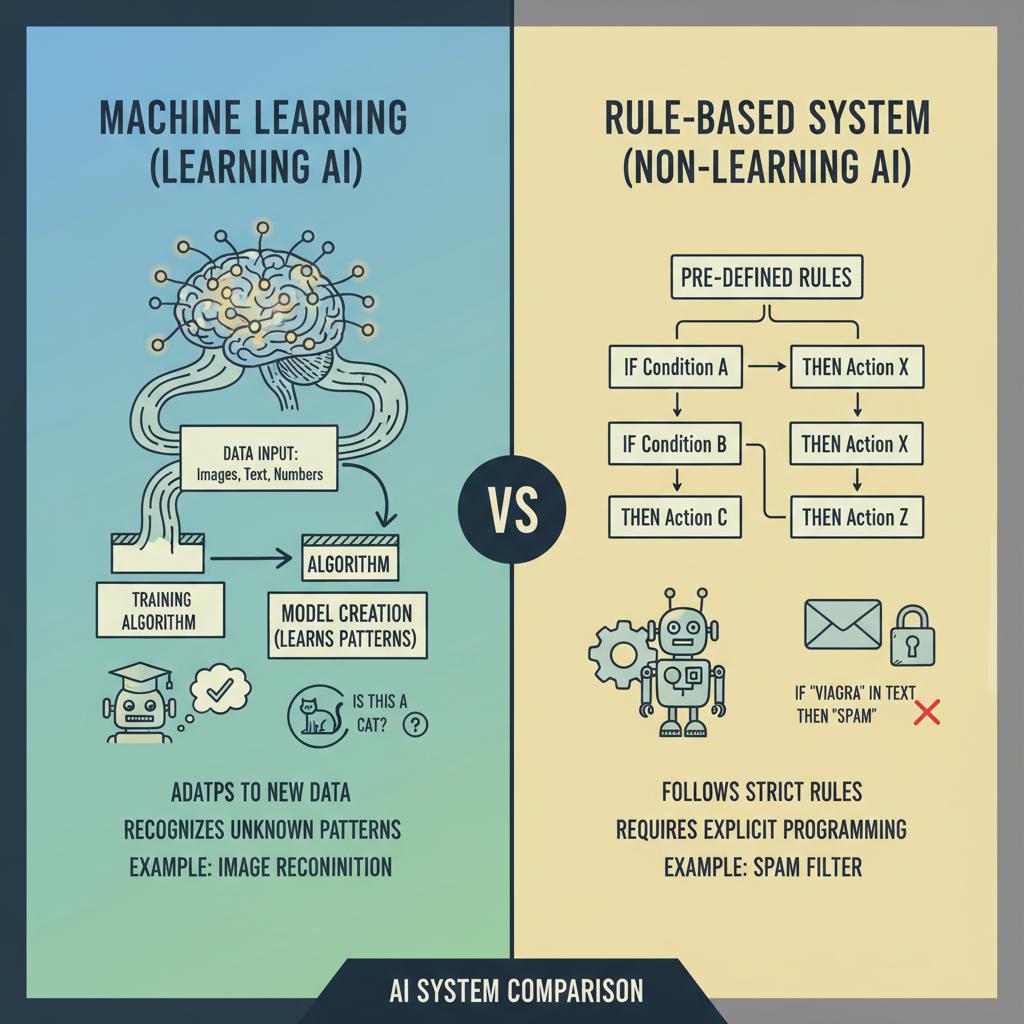
Understanding the Shift: For years, NLP relied on rule-based systems and statistical models that required engineers to manually define language rules. These systems worked in controlled environments but struggled with ambiguity and real-world language complexity. Deep learning changed this approach by allowing machines to learn language patterns directly from data, reducing the need for manual intervention and dramatically improving adaptability.
What Makes Deep Learning Powerful in NLP: Unlike traditional approaches, deep learning models analyze entire sentences and documents to understand meaning. They capture context, tone, and relationships between words, making interactions feel more natural. These systems also improve over time as they are exposed to more data, enabling continuous learning and refinement across various applications.
The Role of Neural Networks: Neural networks, particularly advanced architectures, have enabled machines to process language at scale. These systems mimic aspects of human cognition by identifying patterns and making predictions based on large datasets. This capability allows NLP systems to move beyond simple keyword matching and toward deeper semantic understanding.
Real-World Applications Transforming Daily Life: Deep learning-powered NLP is already embedded in many tools people use every day. Search engines now interpret user intent rather than just matching keywords. Virtual assistants can respond conversationally, while email platforms suggest replies and corrections. Businesses use chatbots to handle customer support, reducing response times and improving user experience.
Industry-Level Impact: In healthcare, NLP helps process clinical notes and extract key insights from unstructured data. In finance, it analyzes reports and news to identify risks and trends. Retail companies use NLP to understand customer feedback and improve products, while media platforms rely on it to personalize content recommendations for users.
The Breakthrough of Transformer Models: One of the most significant advancements in NLP came with transformer-based models. These models process entire sequences of text simultaneously, allowing them to understand long-range dependencies and nuanced meaning. This innovation has significantly improved tasks like translation, summarization, and question answering.
The Importance of Data: Deep learning models depend heavily on large and diverse datasets. The more data they process, the better they become at understanding language variations, including slang, regional expressions, and industry-specific terminology. However, this reliance also introduces challenges related to data quality, bias, and privacy.
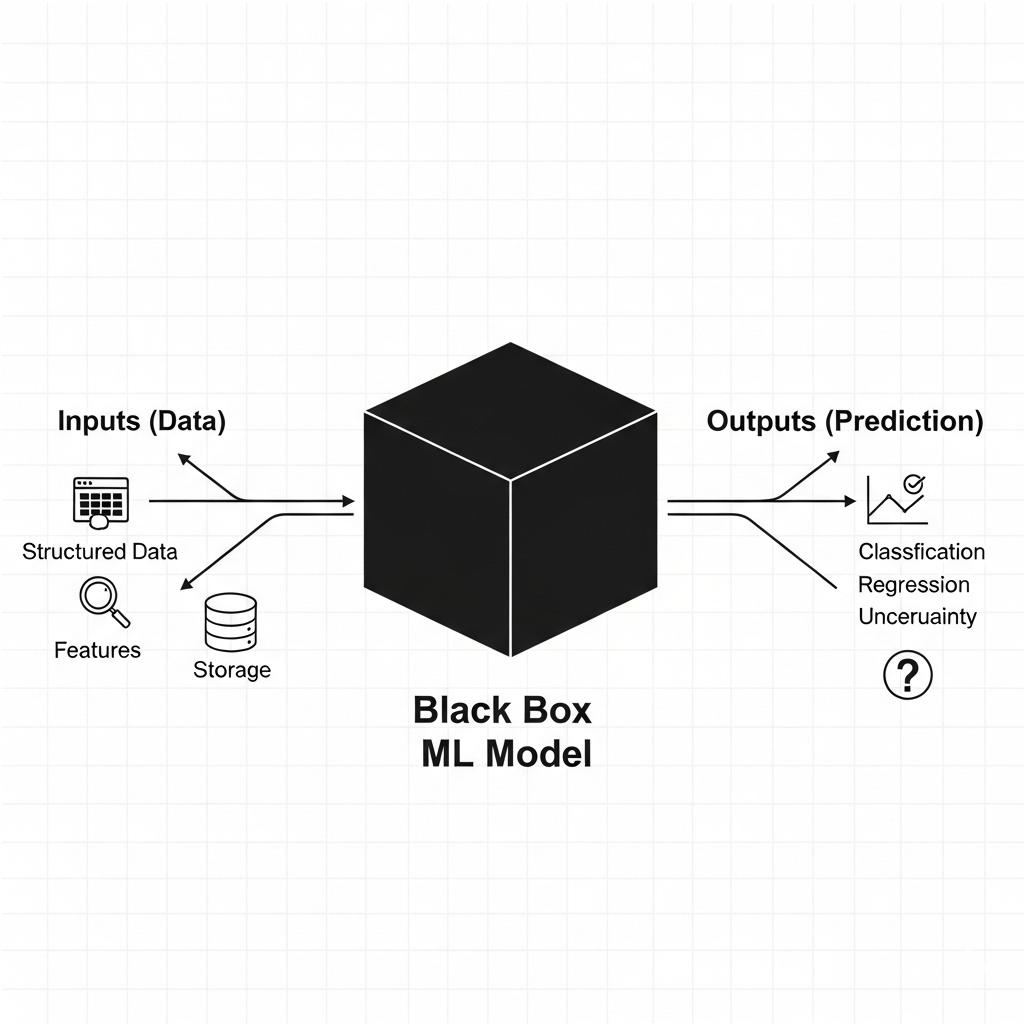
Key Challenges Still Facing NLP: Despite its progress, deep learning in NLP is not without limitations. Models can be difficult to interpret, making it challenging to understand how decisions are made. They also require significant computational resources, which can limit accessibility. Additionally, handling sarcasm, humor, and cultural nuance remains a complex task for machines.
Business Adoption and Strategic Value: Companies across industries are integrating NLP into their workflows to improve efficiency and decision-making. Common use cases include automating repetitive communication, analyzing large datasets, and enhancing customer interactions. This adoption is helping organizations operate more effectively while delivering better user experiences.
The Future of Work with NLP: As NLP tools become more advanced, they are changing how people work rather than replacing them entirely. Professionals are using these tools to enhance productivity, streamline tasks, and focus on higher-value activities. This shift is creating new opportunities while also requiring new skills, particularly in understanding and working alongside AI systems.
Ethical Considerations and Responsibility: With increased capability comes the need for responsible implementation. Issues such as bias in training data, data privacy, and transparency in decision-making must be addressed. Organizations are increasingly focusing on ethical AI practices to ensure that NLP technologies are used in ways that are fair, accountable, and aligned with societal values.
Conclusion: Deep learning is quietly becoming the foundation of modern natural language processing, shaping how people interact with technology in subtle yet impactful ways. Its ability to understand and generate human language is improving efficiency, accessibility, and personalization across industries. As the technology continues to evolve, balancing innovation with ethical responsibility will be key to ensuring its long-term benefits.
FAQs
More Articles

Armored Core VI: Fires of Rubicon - Mech Warfare Reimagined
2 min read | 19 Jan 2026

Petoi Bittle – A Palm-sized STEM Robot Dog: Your Adorable Robo-Companion
2 min read | 18 Jan 2026

Space Gadget Feels of Space: Futuristic Tech for Earthlings
2 min read | 17 Jan 2026

Denon PerL Pro: High-Quality Headphones for the Discerning Student
5 min read | 16 Jan 2026
More Articles

The Role of AI in Drug Discovery and Development
5 min read | 24 Apr 2026

AI in Sports: Performance Analysis and Injury Prevention
4 min read | 23 Apr 2026

Deep Learning: Understanding Neural Networks and Their Capabilities
4 min read | 22 Apr 2026

The Rise of AI in Retail: Inventory Management and Sales Forecasting
7 min read | 21 Apr 2026