
How AR and VR Are Quietly Reshaping Everyday Digital Experiences in the U.S.
10 min read
31 May 2026
 By Lewis Adam
Augmented reality (AR) and virtual reality (VR) are steadily transforming how Americans shop, learn, work, and connect—often without drawing attention to themselves. From smartphone-based AR tools to immersive workplace training, these technologies are becoming embedded in everyday digital experiences. Their influence is practical, incremental, and increasingly essential across industries in the United States.
The Subtle Rise of AR and VR in Daily Life
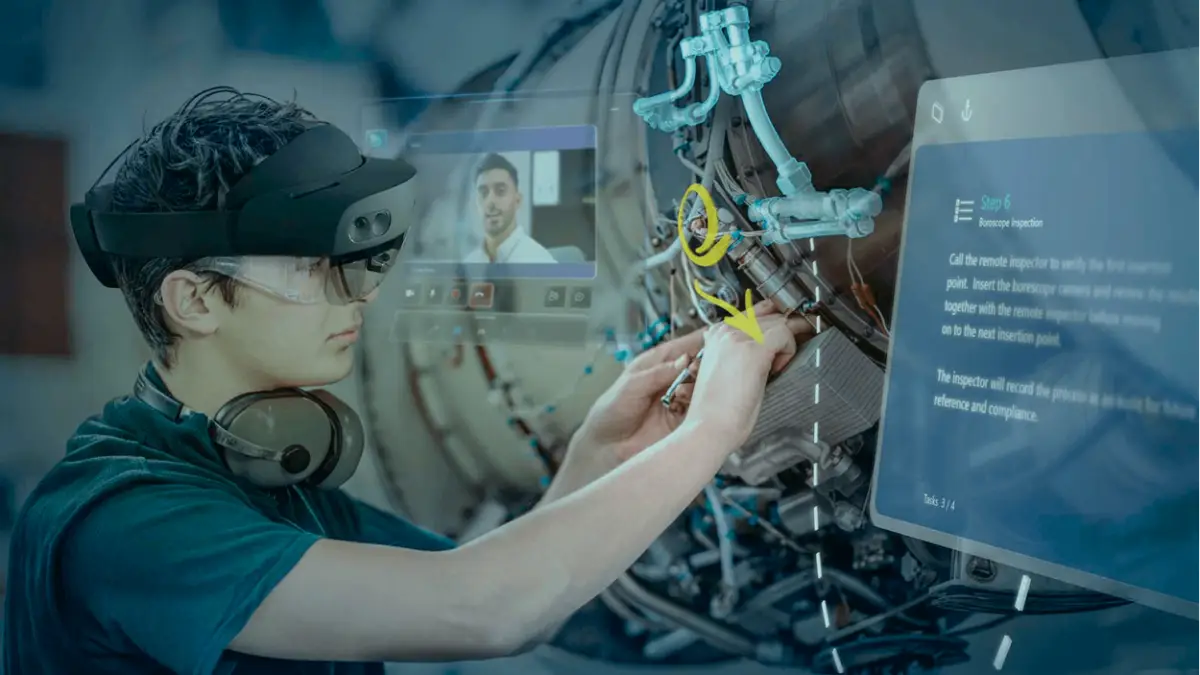
Not long ago, AR and VR were largely associated with gaming and experimental tech demos. Today, they are woven into everyday digital interactions across the United States—often in ways users don’t explicitly recognize as “AR” or “VR.”
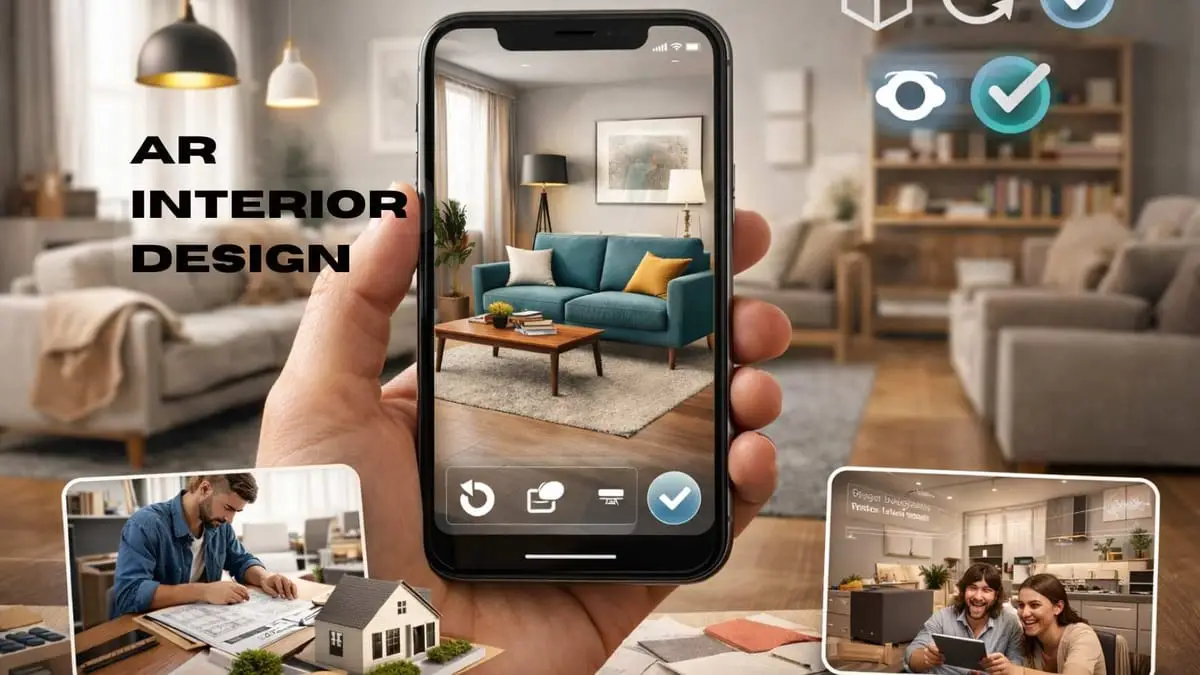
When someone uses a smartphone to preview how a couch fits in their living room, attends a virtual onboarding session at work, or follows step-by-step visual overlays while assembling furniture, they are engaging with immersive technology. These interactions feel intuitive because the technology is designed to blend into existing habits rather than disrupt them.
According to industry estimates from organizations like :contentReference[oaicite:0]{index=0} and :contentReference[oaicite:1]{index=1}, the U.S. remains one of the largest markets for AR and VR adoption, particularly in enterprise use cases such as training, retail visualization, and healthcare simulation.
The key shift is not explosive growth, but gradual integration—where AR and VR enhance digital experiences rather than replace them.
What Counts as AR and VR Today
Understanding how these technologies are shaping everyday experiences starts with clarity on what they actually include.
Augmented Reality (AR) overlays digital information onto the real world, typically through smartphones, tablets, or smart glasses.
Virtual Reality (VR) creates fully immersive digital environments, usually accessed through headsets.
In practice, Americans encounter AR far more frequently than VR due to the ubiquity of smartphones. VR, while less common in daily life, is gaining traction in specific contexts such as training, education, and remote collaboration.
Common everyday examples include: - Retail apps that let users visualize products in their homes - Navigation apps with AR walking directions - Fitness apps offering guided workouts in virtual environments - Workplace training simulations - Interactive museum exhibits
These applications are not futuristic—they are already part of mainstream digital behavior.
How AR Is Transforming Consumer Experiences
Retail and Shopping
One of the most visible uses of AR in the U.S. is in retail. Major brands and platforms have integrated AR features to reduce uncertainty in purchasing decisions.
Consumers can now: - See how furniture fits in a room before buying - Try on glasses, makeup, or clothing virtually - Preview paint colors on their walls
Retailers benefit from fewer returns and increased customer confidence. For shoppers, the experience feels practical rather than novel.
A report from :contentReference[oaicite:2]{index=2} highlights that immersive product visualization can significantly improve conversion rates, especially for high-consideration purchases like furniture and home improvement items.
Navigation and Local Exploration
AR is also enhancing how Americans navigate cities. Some mobile apps now provide real-time directional overlays, guiding users with arrows and visual cues layered onto the physical world.
This is particularly useful in dense urban areas where traditional maps can be confusing. The experience feels more natural—closer to following signs than reading directions.
The Expanding Role of VR in Work and Training
While AR dominates consumer use, VR is quietly reshaping professional environments.
Workforce Training
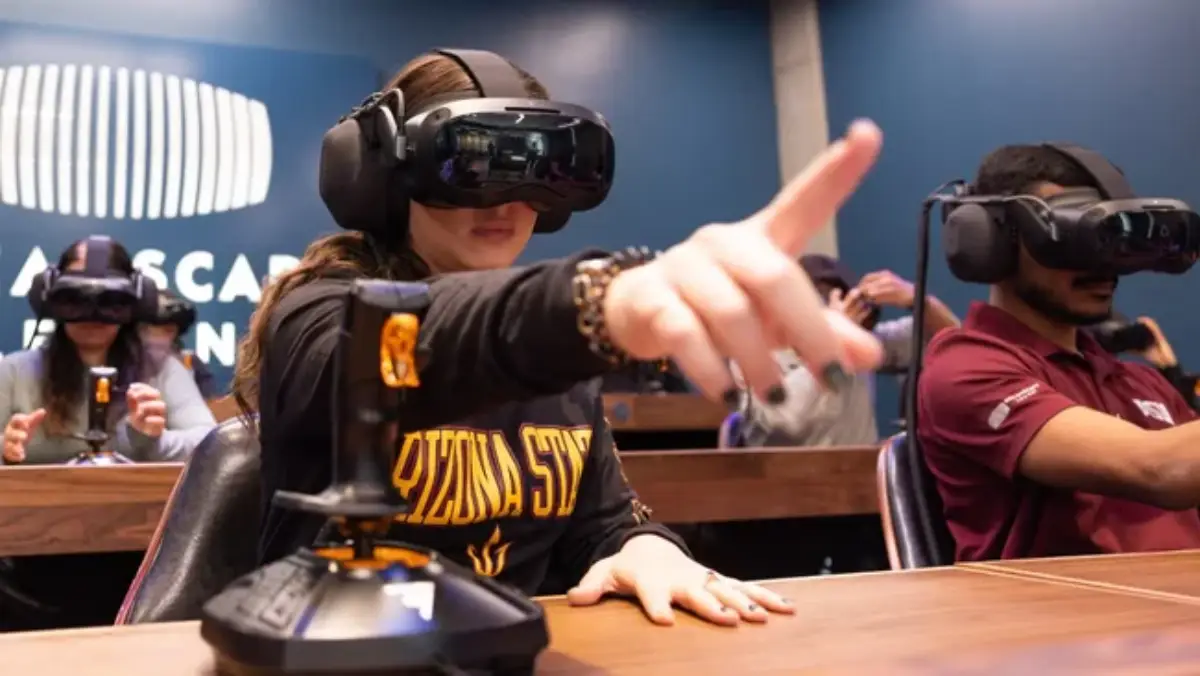
VR is increasingly used in industries where hands-on training is essential but costly or risky.
Examples include: - Healthcare simulations for surgical training - Safety drills in construction and manufacturing - Customer service role-playing scenarios
Research from :contentReference[oaicite:3]{index=3} found that VR learners can be trained faster and retain information more effectively compared to traditional methods.
Remote Collaboration
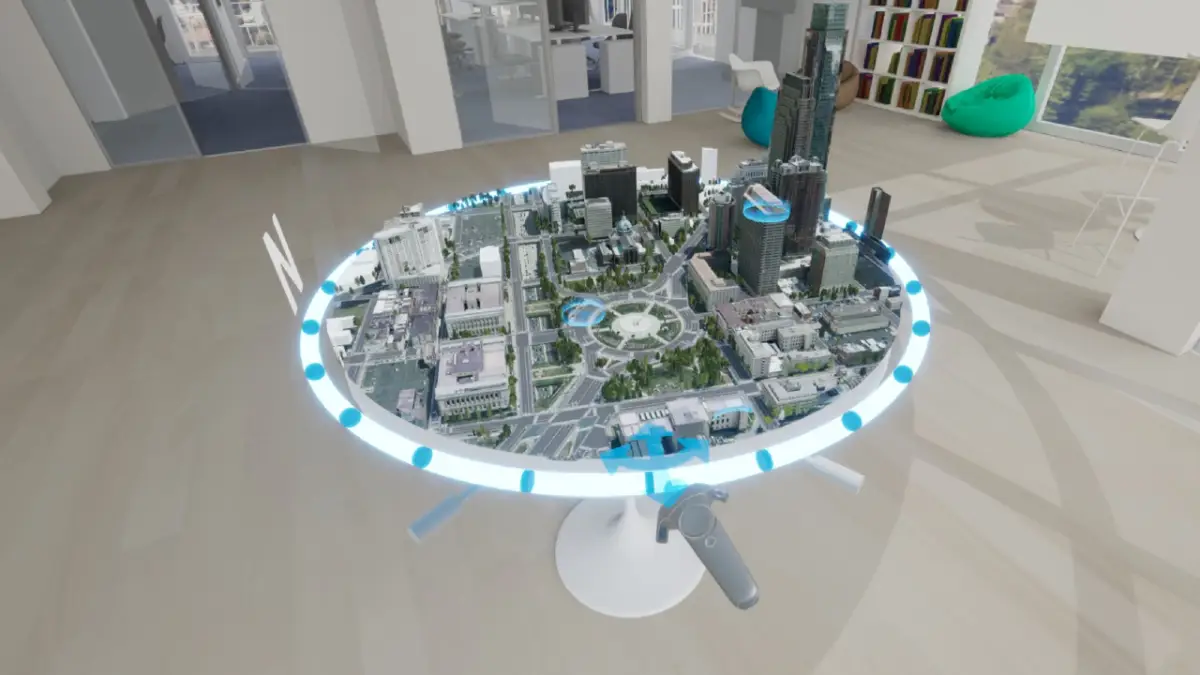
As remote work continues across the U.S., VR is being explored as a tool for more immersive collaboration. Virtual meeting spaces allow participants to interact in shared environments, offering a sense of presence that video calls often lack.
While still evolving, these tools are particularly relevant for design, engineering, and creative teams.
Education and Learning: A New Layer of Engagement
In education, AR and VR are enhancing—not replacing—traditional learning methods.
Students can: - Explore historical sites through virtual field trips - Interact with 3D models of scientific concepts - Practice skills in simulated environments
For example, a biology student might examine a 3D model of the human heart, while a history class can “visit” ancient cities.
These experiences help bridge the gap between abstract concepts and tangible understanding, making learning more engaging without fundamentally changing curricula.
Healthcare Applications: Practical, Not Experimental
Healthcare is one of the most promising areas for AR and VR in the U.S., particularly because the benefits are measurable and immediate.
Clinical Training and Simulation
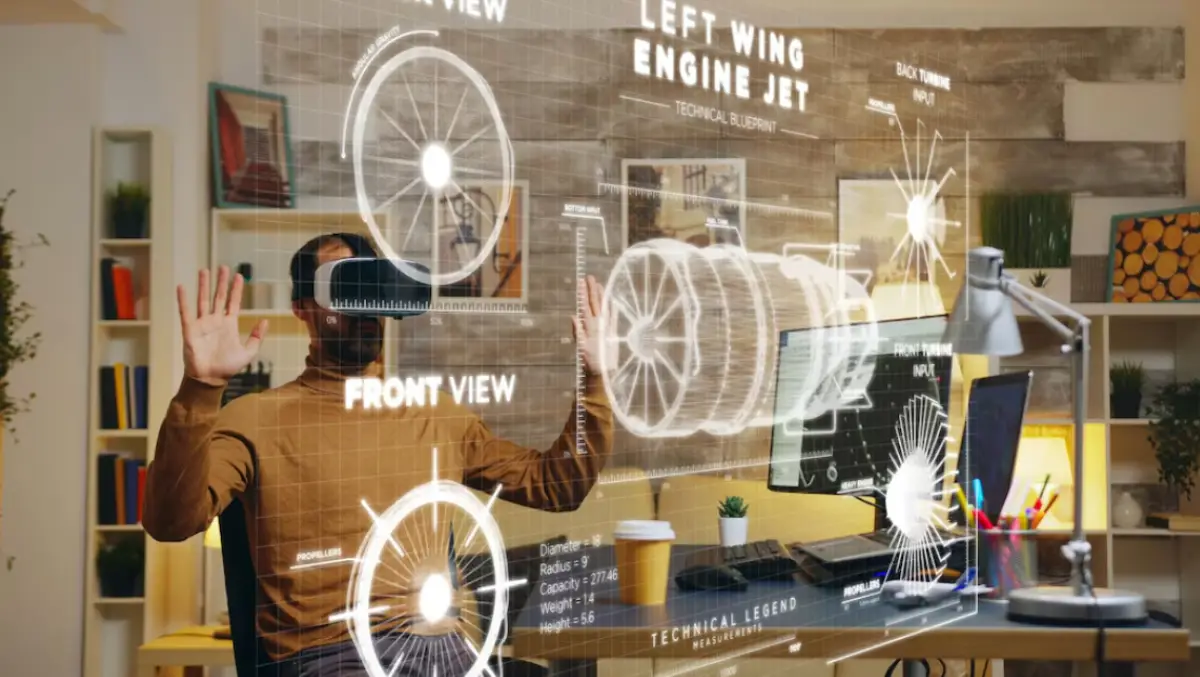
Medical professionals use VR to practice procedures in controlled environments. This reduces risk and allows repeated practice without real-world consequences.
Patient Care and Education
AR is being used to: - Help patients understand procedures through visual explanations - Assist surgeons with real-time data overlays during operations - Support physical therapy through guided exercises
These applications are not about replacing human expertise—they are about enhancing precision and understanding.
The Role of Smartphones in Driving Adoption
A major reason AR has become widespread is the smartphone.
Unlike VR, which requires specialized hardware, AR is accessible through devices Americans already use daily. Platforms like :contentReference[oaicite:4]{index=4} and :contentReference[oaicite:5]{index=5} have integrated AR capabilities into their operating systems, making it easier for developers to build practical applications.
This accessibility has lowered barriers to entry and accelerated adoption across industries.
Challenges Slowing Broader Adoption
Despite steady progress, AR and VR adoption in the U.S. faces several constraints.
Hardware Limitations
VR headsets are still relatively bulky and expensive for widespread everyday use. Comfort and ease of use remain barriers.
Content Availability
For many applications, especially VR, the range of high-quality, practical content is still limited compared to traditional digital formats.
Privacy and Data Concerns
AR applications often rely on cameras and location data, raising legitimate privacy considerations. Users and regulators are paying closer attention to how this data is collected and used.
Integration Costs for Businesses
For companies, implementing AR and VR solutions requires investment in technology, training, and content development. Not all organizations are ready to make that commitment.
Where AR and VR Are Headed Next
The future of AR and VR in the U.S. is likely to be defined by refinement rather than disruption.
Key trends include: - Lighter, more comfortable wearable devices - Greater integration with AI-driven personalization - Expanded use in enterprise workflows - Improved cross-platform compatibility
Rather than replacing smartphones or computers, AR and VR are expected to complement them—adding new layers of interaction where they provide clear value.
Frequently Asked Questions
1. Are AR and VR widely used in the U.S. today? Yes, particularly AR through smartphones. VR is growing but remains more common in specialized settings like training and gaming.
2. What industries benefit most from AR and VR? Retail, healthcare, education, real estate, and manufacturing are among the leading sectors.
3. Do I need special equipment to use AR? In most cases, no. Many AR experiences work directly on smartphones or tablets.
4. Why hasn’t VR become mainstream yet? Cost, hardware limitations, and limited everyday use cases have slowed widespread adoption.
5. Is AR just a marketing tool? No. While used in marketing, AR also provides practical value in navigation, education, and product visualization.
6. How does AR improve shopping experiences? It allows customers to visualize products in real-world settings, reducing uncertainty and returns.
7. Is VR effective for training? Yes. Studies show it can improve learning speed and retention, especially for hands-on tasks.
8. Are there privacy concerns with AR? Yes. AR apps often use cameras and location data, which raises data privacy considerations.
9. Will AR glasses replace smartphones? Not in the near term. They are more likely to complement existing devices.
10. How can businesses start using AR or VR? Many begin with small pilot projects, such as product visualization tools or training simulations.
A Quiet Transformation Worth Paying Attention To
AR and VR are not arriving with dramatic disruption. Instead, they are gradually reshaping how Americans interact with digital content—making experiences more intuitive, visual, and context-aware.
Their impact is most noticeable not in headline announcements, but in small improvements to everyday tasks: choosing a product, learning a skill, or navigating a new place. As these technologies continue to evolve, their presence will likely become even less visible—and more essential.
Key Insights at a Glance
- AR is already integrated into everyday smartphone experiences
- VR is gaining traction in training and professional environments
- Retail and healthcare are leading adoption across the U.S.
- Smartphones are the primary driver of AR accessibility
- Privacy, cost, and hardware remain key challenges
- Future growth will focus on refinement and practical use cases
FAQs
More Articles

Enhancing Real Estate: The Role of AR and VR in Property Visualization
2 min read | 19 Apr 2026
AR and VR Entertainment: Redefining the Entertainment Industry
3 min read | 18 Apr 2026

AR and VR Entertainment: Redefining the Entertainment Industry
5 min read | 17 Apr 2026

The Rise of Virtual Commerce: AR and VR in E-Commerce
5 min read | 16 Apr 2026
More Articles

AI in Smart Cities: Improving Urban Living with Intelligent Systems
6 min read | 09 May 2026

The Role of AI in Enhancing Accessibility for People with Disabilities
6 min read | 08 May 2026

AI in Human Resources: Streamlining Recruitment and Employee Management
5 min read | 07 May 2026

AI for Environmental Monitoring: Tracking and Responding to Ecological Changes
6 min read | 06 May 2026