
High-Frequency Trading: The High-Stakes Game You Need to Know About
4 min read
31 Mar 2026
 By Lewis Adam
High-frequency trading (HFT) has revolutionized financial markets by leveraging advanced algorithms and lightning-fast execution speeds to capitalize on small price differentials in milliseconds. This article explores the intricacies of HFT, its impact on market dynamics, and the controversies surrounding its role in modern finance.
Understanding High-Frequency Trading

High-frequency trading involves executing large volumes of trades at incredibly high speeds, often measured in microseconds (millionths of a second). HFT algorithms analyze market data, identify fleeting opportunities, and execute trades automatically without human intervention.
Mechanics of High-Frequency Trading
Algorithmic Strategies: Utilizing complex algorithms to detect price discrepancies, arbitrage opportunities, and market inefficiencies across multiple trading venues.
Co-location: Placing servers in close proximity to exchange data centers to minimize latency and gain speed advantages in trade execution.
Market Making: Providing liquidity to markets by continuously quoting bid and ask prices, profiting from the bid-ask spread and reducing market volatility.
Quantitative Analysis: Applying statistical models, machine learning techniques, and real-time data analysis to optimize trading strategies and predict market trends.
Impact and Controversies
Market Efficiency: Enhancing market liquidity, narrowing bid-ask spreads, and improving price discovery processes through continuous trading activities.
Systemic Risks: Introducing potential risks such as market manipulation, flash crashes, and increased market volatility due to algorithmic errors or unforeseen interactions.
Regulatory Scrutiny: Facing scrutiny over fairness, transparency, and regulatory compliance in automated trading practices, prompting debates on market stability and investor protection.
Benefits and Challenges
Profitability: Generating significant profits for firms and investors through high-speed trading strategies that capitalize on small price differentials and market anomalies.
Risk Management: Mitigating risks through sophisticated risk management systems, real-time monitoring, and automated controls to prevent trading losses and operational disruptions.
Technological Investment: Investing in cutting-edge technologies, data infrastructure, and algorithmic development to maintain competitive advantages and operational efficiency.
Future Outlook
As high-frequency trading continues to evolve with advancements in AI, machine learning, and quantum computing, it will likely reshape global financial markets with faster, smarter, and more adaptive trading strategies. The future of HFT hinges on balancing innovation with regulatory oversight to ensure market integrity, stability, and investor confidence in the digital age.
FAQs
More Articles

The Intersection of AI and Ethics in Autonomous Weapon Systems
6 min read | 14 May 2026

AI and Big Data: Harnessing Information for Strategic Decision Making
4 min read | 13 May 2026

AI in Personalized Medicine: Tailoring Treatments to Individual Patients
4 min read | 12 May 2026

The Future of Quantum Computing and Its Impact on AI
7 min read | 11 May 2026
More Articles
The Future of Decentralized Finance (DeFi) in 2025
7 min read | 05 Jun 2026
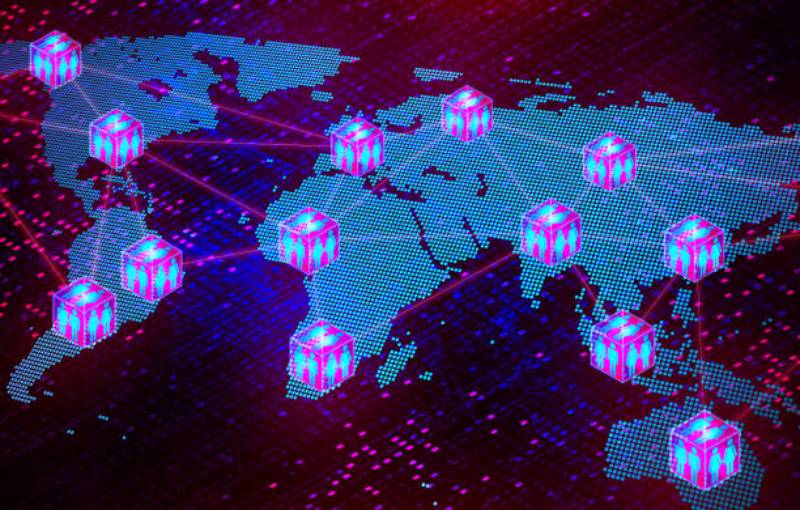
How Blockchain Is Reshaping Global Supply Chains
6 min read | 04 Jun 2026
The Intersection of Blockchain and IoT: Creating a More Connected and Secure World
5 min read | 03 Jun 2026

How Blockchain is Driving the Future of Cross-Border Payments and Remittances
6 min read | 02 Jun 2026