
From Virtual Showrooms to Digital Classrooms: How Immersive Tech Is Entering Everyday Life
10 min read
06 Jun 2026
 By Prince Matthews
Immersive technologies—including virtual reality (VR), augmented reality (AR), and mixed reality—are gradually becoming part of everyday life in the United States. Once associated mainly with gaming, these tools are now used in classrooms, workplaces, retail stores, and healthcare settings. By blending digital information with physical environments, immersive tech is reshaping how people learn, collaborate, and make purchasing decisions.
Understanding the Shift Toward Immersive Experiences
Digital technology has traditionally relied on flat screens. Smartphones, laptops, and televisions present information in two dimensions, requiring users to interpret content through text, images, or video.
Immersive technology introduces a different interaction model. Instead of observing digital content from a distance, users can interact with information spatially—walking through virtual environments, manipulating 3D objects, or seeing digital elements integrated with their physical surroundings.
Three core technologies drive this transformation:
Virtual Reality (VR): Fully simulated environments accessed through headsets Augmented Reality (AR): Digital overlays placed on real-world environments using smartphones or smart glasses Mixed Reality (MR): Hybrid systems where digital objects interact with physical surroundings
While immersive technology once appeared futuristic, its applications are increasingly practical. From architecture design reviews to retail product previews, immersive tools are quietly integrating into daily routines across the United States.
Industry analysts at IDC estimate global spending on AR and VR solutions could exceed $50 billion annually within the next few years, reflecting growing adoption in business and education.
Virtual Showrooms: Rethinking How Americans Shop
Retail has become one of the most visible areas where immersive technology is influencing everyday life.
Online shopping offers convenience, but it lacks the physical experience of browsing a store. Immersive retail tools attempt to bridge this gap by allowing customers to explore products digitally before purchasing.
Visualizing Products Before Buying
Augmented reality apps now allow shoppers to see how products might look in their own homes or on their bodies.
Examples widely used in the U.S. include:
Furniture retailers offering AR apps that place virtual couches or tables inside living rooms Beauty brands providing virtual makeup try-on features using smartphone cameras Eyewear companies allowing customers to test frames digitally before ordering online
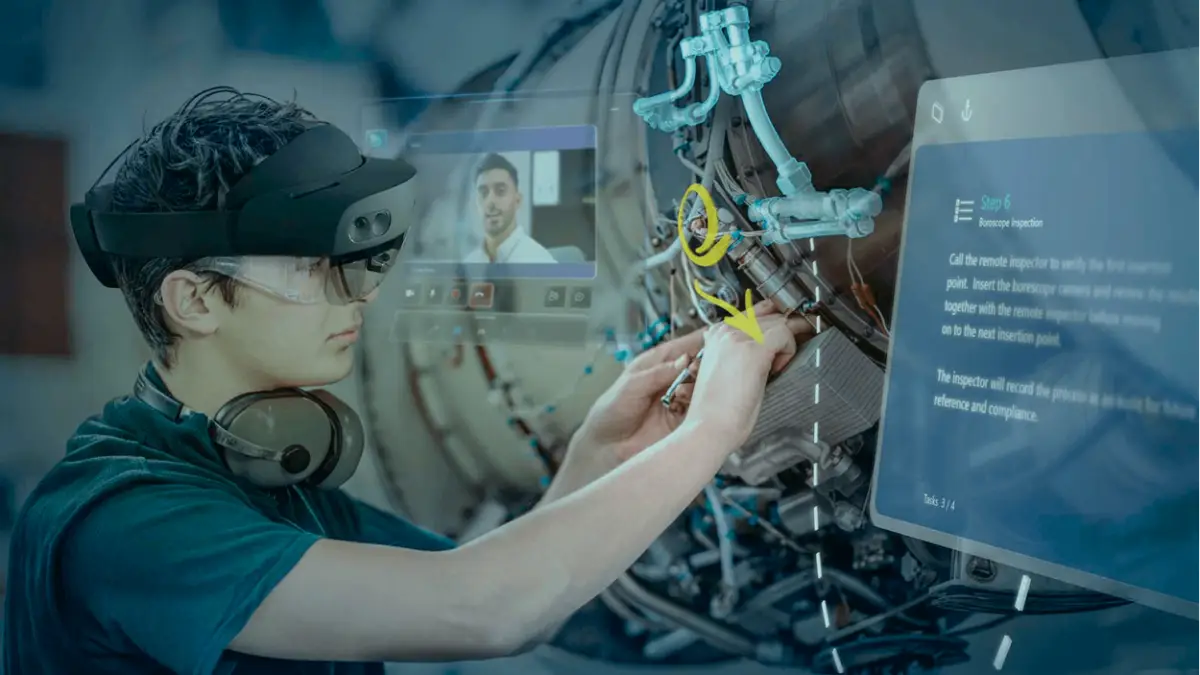
These experiences reduce uncertainty during online shopping. When consumers can visualize how a product will appear in real life, they often feel more confident completing a purchase.
The Rise of Virtual Retail Spaces
Some companies are going further by creating immersive digital stores. Instead of browsing product pages, customers can move through virtual showrooms that simulate physical retail environments.
Automotive companies have adopted this approach particularly quickly. Prospective buyers can explore a car’s interior, adjust color options, and review technical features inside interactive digital showrooms.
Real estate platforms also use immersive tours that allow buyers to walk through properties remotely. These tools gained popularity during the pandemic and remain widely used today.
For retailers, immersive experiences offer several practical advantages:
Reduced product return rates Higher customer confidence during purchases Enhanced product education through interactive displays
Digital Classrooms: Expanding the Boundaries of Learning
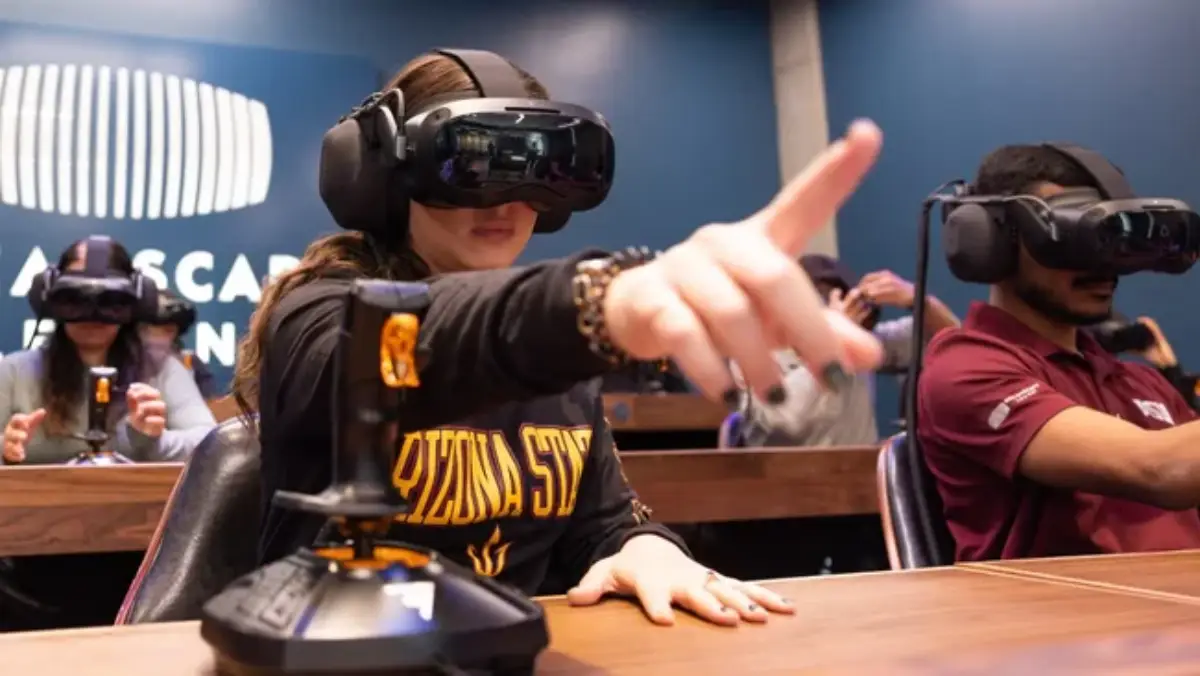
Education is another field where immersive technology is gaining traction. Schools and universities across the United States are experimenting with VR and AR tools to improve engagement and understanding.
Traditional learning methods rely heavily on textbooks and lectures. While effective in many cases, some concepts—especially in science and engineering—are difficult to visualize.
Immersive tools allow students to explore these ideas in three dimensions.
Examples include:
Walking through a virtual model of the human heart to understand circulation Exploring ancient cities reconstructed in VR during history lessons Observing molecular structures through interactive chemistry simulations
These experiences help students understand spatial relationships and complex systems that might otherwise remain abstract.
Immersive Training in Professional Education
Medical education provides one of the clearest examples of immersive learning benefits.
Many medical schools now incorporate VR simulations into surgical training programs. Students can practice procedures repeatedly in controlled digital environments before performing them in real operating rooms.
Research from Stanford University’s Virtual Human Interaction Lab suggests immersive learning environments can increase engagement and improve knowledge retention compared with traditional lecture-based instruction.
Immersive Technology in the Workplace
Beyond retail and education, immersive tools are increasingly used in professional environments.
Businesses across industries—including manufacturing, logistics, construction, and healthcare—are exploring how immersive technology can improve training and collaboration.
Simulation-Based Employee Training
Workplace training often requires employees to learn complex procedures quickly and safely. Immersive simulations allow organizations to replicate real-world scenarios without physical risk.
Examples include:
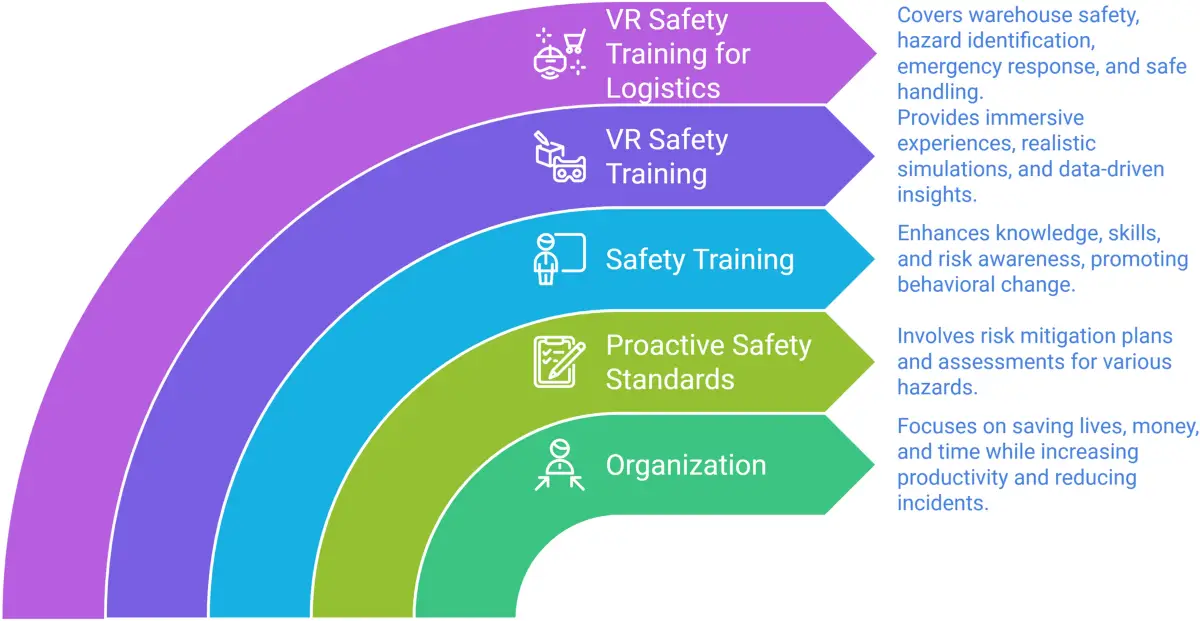
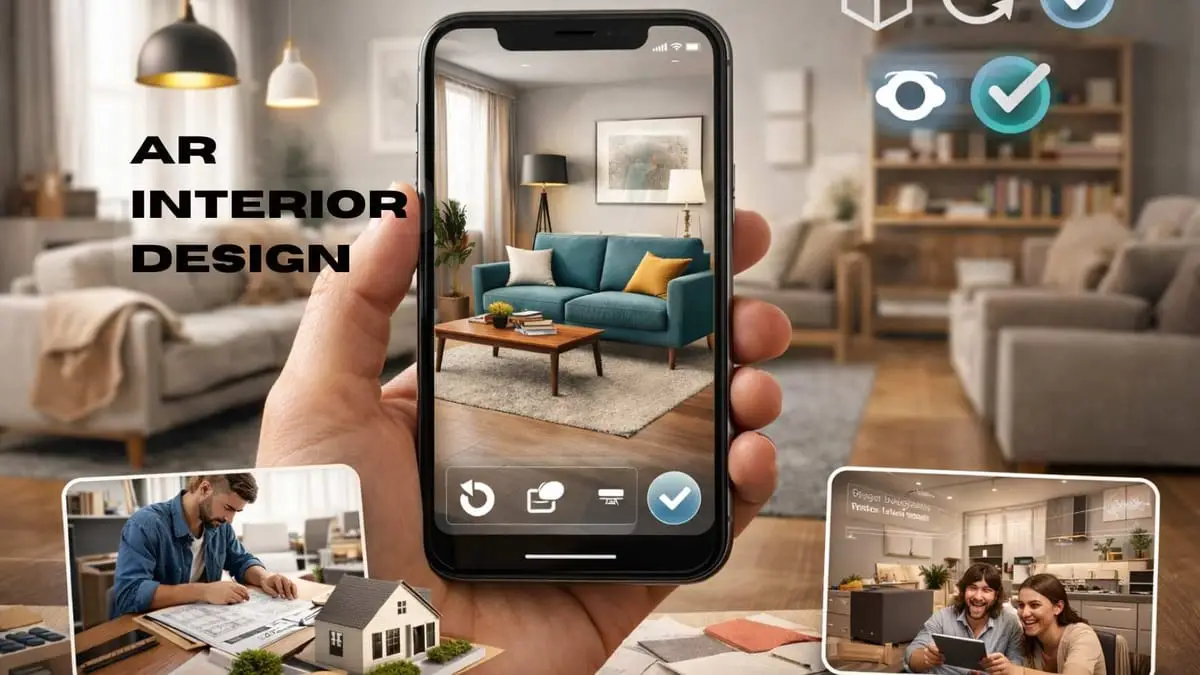
Warehouse employees practicing safety procedures before entering busy facilities Airline technicians learning aircraft maintenance using virtual models Emergency responders training for crisis scenarios in simulated environments
Studies from PwC indicate VR learners may complete training up to four times faster than classroom learners while retaining more information.
Collaboration in Shared Virtual Environments
Immersive collaboration platforms also support remote teamwork.
Instead of reviewing documents on video calls, teams can gather in virtual environments to examine 3D models or prototypes.
Architects, engineers, and designers often use these environments to review projects at full scale before construction begins.
Healthcare Applications of Immersive Technology
Healthcare providers are also exploring how immersive tools can support both clinical training and patient care.
Medical professionals use 3D visualization systems to analyze organs, blood vessels, and tumors before complex surgeries.
Some hospitals use VR experiences to help patients manage pain or anxiety during treatments. Patients undergoing burn treatments or chemotherapy may use immersive environments to distract attention from discomfort.
Early clinical studies suggest immersive VR therapy can reduce perceived pain and improve patient comfort in certain scenarios.
Why Immersive Technology Is Becoming More Accessible
Several technological trends are accelerating adoption of immersive platforms across industries.
Hardware improvements have significantly improved the performance of VR headsets and AR-enabled smartphones.
Other factors contributing to wider adoption include:
Falling hardware costs compared with early VR systems Faster wireless networks such as 5G Improved graphics processing capabilities Growing investment from technology companies and research institutions
As these technologies mature, immersive experiences may become as routine as video conferencing or mobile apps.
Frequently Asked Questions
What is immersive technology? Immersive technology refers to digital tools—such as VR, AR, and mixed reality—that allow users to interact with digital environments in ways that simulate physical presence.
How are immersive technologies used in retail? Retailers use AR and VR tools to help customers visualize products before purchasing, including virtual furniture placement, makeup try-ons, and digital showrooms.
Are immersive classrooms already common? Adoption is growing, though still emerging. Many universities and some K-12 schools use immersive tools for science, engineering, and medical education.
Do immersive experiences require expensive equipment? Not always. Many immersive retail and educational applications work directly on smartphones using AR technology.
Which industries use immersive technology most today? Healthcare, manufacturing, retail, education, and real estate are among the most active adopters.
Can immersive technology improve workplace training? VR simulations allow employees to practice real-world tasks safely and repeatedly.
Is immersive technology only for gaming? No. Most current investment focuses on business, education, and healthcare applications.
Will immersive technology replace smartphones or laptops? Experts believe immersive tools will complement existing devices rather than replace them entirely.
When Digital Environments Become Part of Everyday Life
Immersive technology represents a gradual shift in how people interact with digital information. Instead of simply viewing content, users increasingly explore and interact with digital environments.
Across retail, education, workplaces, and healthcare, immersive tools are quietly expanding how Americans learn, collaborate, and make decisions.
Key Signals of Everyday Immersive Technology
Retailers are using AR tools to help customers visualize products before purchasing Schools and universities are introducing immersive learning experiences Businesses are adopting VR simulations for employee training Healthcare providers are exploring immersive tools for training and therapy Advances in hardware and connectivity are accelerating adoption across industries
FAQs
More Articles

Computer-Aided Design (CAD): The Essential Tool for Engineers
6 min read | 19 May 2026

LiDAR (Light Detection and Ranging): The Eyes of Autonomous Vehicles
5 min read | 18 May 2026

Wi-Fi 6: The Next Generation of Wireless Technology
6 min read | 17 May 2026

Mesh Wi-Fi: How to Eliminate Dead Zones in Your Home
4 min read | 16 May 2026
More Articles
Artificial Intelligence in 2026: The Technologies Redefining Business and Productivity
9 min read | 02 Jun 2026

Inside the Rapid Evolution of Artificial Intelligence—and What It Means for Everyday Life
9 min read | 01 Jun 2026

From Research Labs to Real Life: Where Artificial Intelligence Is Making the Biggest Impact
9 min read | 31 May 2026
Green Tech Innovations Driving a Sustainable Future
7 min read | 08 Jun 2026