
From Centralized Platforms to Player-Owned Worlds: The Evolution of Blockchain Gaming
12 min read
09 Jun 2026
 By Sayan Gosh
Blockchain gaming is transforming digital entertainment by shifting control from centralized platforms to players themselves. Through technologies like NFTs and decentralized economies, gamers can now own, trade, and monetize in-game assets. While challenges remain, this evolution signals a fundamental change in how value, ownership, and participation work in interactive entertainment.
The Traditional Gaming Model: Who Really Owns Your Progress?
For decades, the gaming industry has operated under a centralized model where developers and publishers retain full control over game environments, assets, and economies. Players invest time and money into games, purchasing skins, characters, and upgrades, but these assets remain locked within proprietary systems.
In practical terms, this means players are not true owners of their digital possessions. If a game shuts down or an account is restricted, access to purchased content is lost. This limitation has become increasingly relevant as digital spending continues to rise across the United States.
Key characteristics of traditional gaming include:
- Assets are licensed, not owned
- Economies are controlled by developers
- Players cannot freely trade or transfer items
- Progress is tied to centralized accounts
What Is Blockchain Gaming?
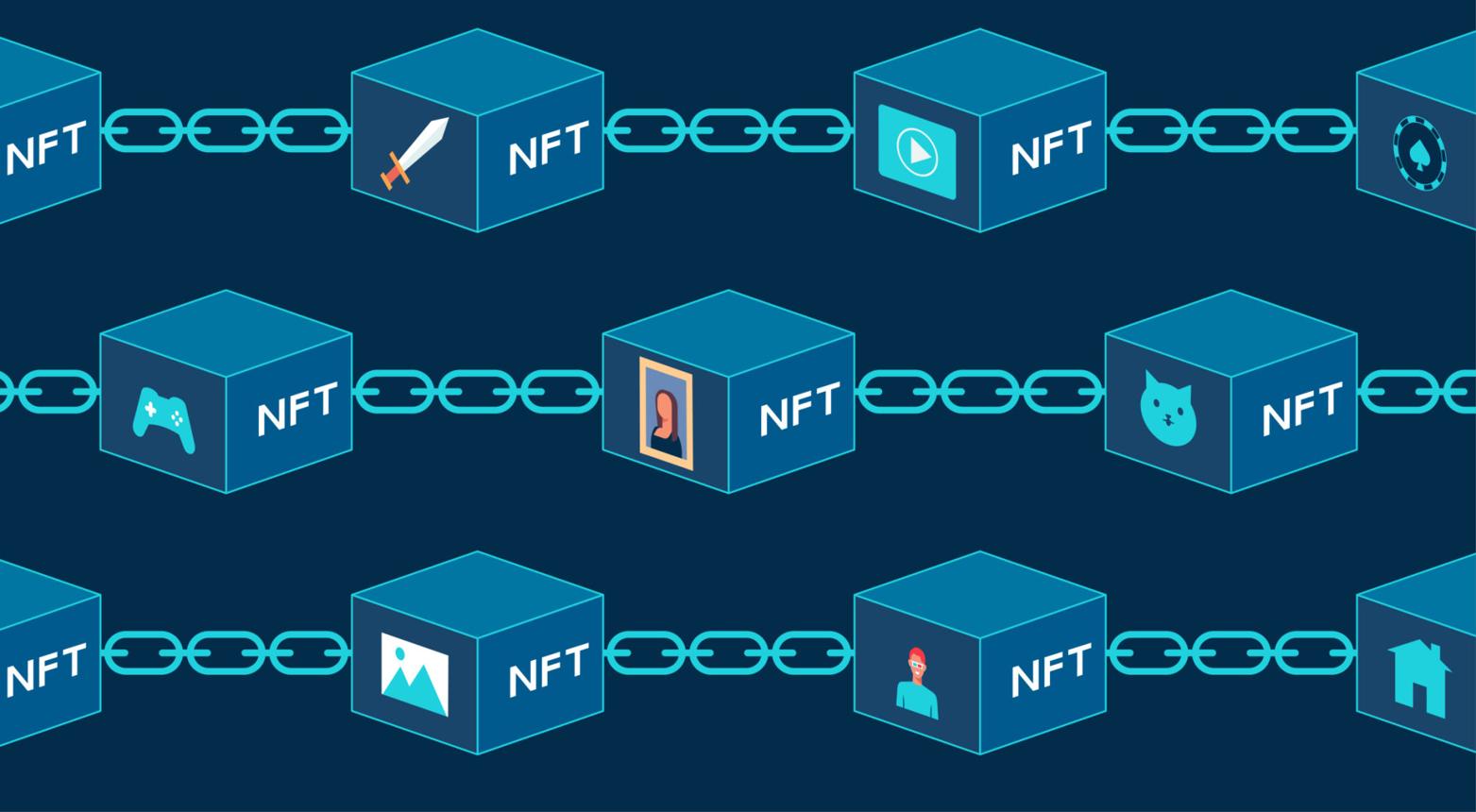
Blockchain gaming introduces decentralized infrastructure into game design. Instead of relying solely on centralized servers, certain assets and transactions are stored on blockchain networks, providing transparency and verifiable ownership.
This allows players to hold in-game items in digital wallets, enabling control beyond the boundaries of a single game. These assets often take the form of NFTs (non-fungible tokens), which represent unique digital items.
Core features of blockchain gaming include:
- True ownership of in-game assets
- Ability to trade assets on open marketplaces
- Transparent and verifiable scarcity
- Integration with broader digital economies
The Rise of Player Ownership
Ownership is the defining innovation in blockchain gaming. Unlike traditional systems, where assets are tied to user accounts, blockchain-based items exist independently and can be transferred, sold, or retained regardless of the game’s lifecycle.
Early platforms demonstrated how players could monetize gameplay through trading and participation in digital economies. While some early models focused heavily on earning potential, the industry is now shifting toward sustainable ecosystems centered on engagement and long-term value.
How Blockchain Enables New Economic Models
Blockchain gaming introduces new economic structures that allow value to circulate among players rather than flow solely to developers. These systems are often built around tokenized currencies and decentralized marketplaces.
Common models include:
- Play-to-Earn (P2E): Players earn tokens through gameplay
- Play-and-Own: Focus on ownership rather than profit
- User-generated economies: Players create and sell content
- Decentralized governance: Communities influence development decisions
While these models offer new opportunities, they also require careful design to avoid issues like inflation and market instability.
Real-World Examples Shaping the Space
Several blockchain-based games illustrate how these concepts are being applied. Some focus on virtual worlds and land ownership, while others emphasize competitive gameplay or digital collectibles.
These platforms demonstrate how ownership and participation can extend beyond gameplay into broader digital ecosystems. For U.S. audiences, this mirrors trends seen in creator economies and digital marketplaces.
Benefits of Blockchain Gaming for Players
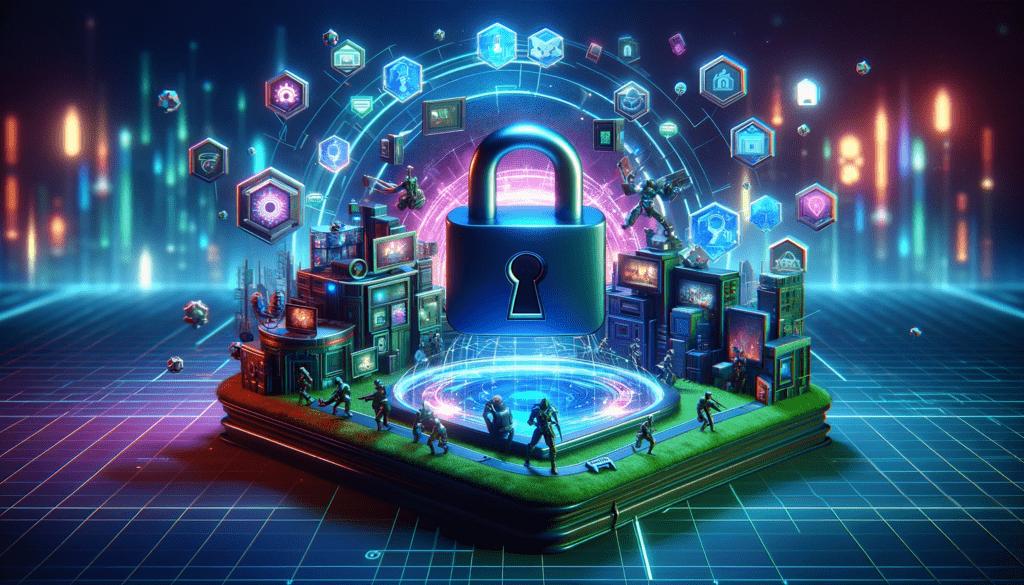
Blockchain gaming offers several advantages that are reshaping player expectations:
- True ownership of assets
- Potential for cross-platform interoperability
- Transparent and open economies
- Opportunities for monetization
- Increased community involvement
These benefits contribute to a more participatory gaming experience, where players are stakeholders rather than just consumers.
The Challenges Holding Blockchain Gaming Back
Despite its potential, blockchain gaming faces several challenges that must be addressed for mainstream adoption.
These include technical complexity, scalability limitations, regulatory uncertainty, and inconsistent gameplay quality. Additionally, token-based economies can introduce volatility that affects player incentives.
Developers are increasingly focusing on improving usability and prioritizing gameplay to overcome these barriers.
How Major Game Studios Are Responding
Traditional gaming companies are exploring blockchain cautiously. Some are experimenting with digital collectibles and ownership features, while others remain hesitant due to player backlash and regulatory concerns.
The current trend suggests a hybrid approach, where blockchain elements are integrated selectively without disrupting core gameplay experiences.
What U.S. Gamers Are Searching For
Search trends indicate that American players are approaching blockchain gaming with curiosity but also skepticism. Common questions focus on safety, earning potential, usability, and long-term value.
This reflects a broader shift from early hype toward practical evaluation and informed decision-making.
The Future: Toward Player-Owned Digital Worlds
Looking ahead, blockchain gaming is expected to evolve into more seamless and integrated experiences. Rather than existing as standalone ecosystems, blockchain features may become part of mainstream gaming platforms.
Future developments may include simplified onboarding, cross-platform asset compatibility, and more stable economic systems. The concept of player-owned worlds is likely to coexist with traditional models, offering alternative ways to engage with digital environments.
Conclusion
The evolution from centralized gaming platforms to player-owned worlds represents a meaningful shift in how digital value is created and distributed. While the technology is still maturing, its emphasis on ownership, transparency, and participation is influencing the broader gaming landscape. As developers refine these systems and address existing challenges, blockchain gaming has the potential to redefine the relationship between players and the virtual worlds they inhabit.
FAQs
More Articles

AI and Robotics: The Synergy of Intelligent Machines
7 min read | 03 May 2026

AI in Mental Health: Virtual Therapists and Predictive Diagnostics
6 min read | 02 May 2026

Machine Learning in Supply Chain Management: Optimization and Efficiency
6 min read | 01 May 2026

AI in Marketing: Targeted Advertising and Customer Insights
6 min read | 30 Apr 2026
More Articles

Love it or Hate it, Blockchain is Here to Stay. Here's Why.
6 min read | 28 Apr 2026
The Blockchain Arms Race: Why Everyone Wants a Piece of the Future
4 min read | 27 Apr 2026

Is Your Industry Ready for the Blockchain Disruption?
6 min read | 26 Apr 2026

Blockchain: Hype or Revolution? Separating Fact From Fiction
6 min read | 25 Apr 2026