
Beyond Screens: How VR Social Spaces Are Redefining Human Connection
14 min read
05 Jun 2026
 By Neha Jain
60-Word Summary
Virtual reality (VR) social spaces are transforming human interaction by creating immersive, presence-driven experiences that go beyond traditional screens. From remote work to social gatherings, VR enables deeper engagement through shared environments. While challenges remain, these platforms are expanding—not replacing—real-world connection, offering new ways for people to communicate, collaborate, and build relationships across distance.

Rethinking Connection in a Screen-Saturated World
For years, digital communication has relied on flat interfaces—text, social feeds, and video calls. While efficient, these formats often lack the nuance of in-person interaction. Subtle cues like body language, spatial awareness, and shared physical presence are difficult to replicate through screens, leading many users to experience what is often described as “digital fatigue.”
This growing gap between connection and experience has driven interest in more immersive technologies. Virtual reality is emerging as a response, offering a fundamentally different way to communicate—one that prioritizes presence over convenience.
What Makes VR Social Spaces Different?
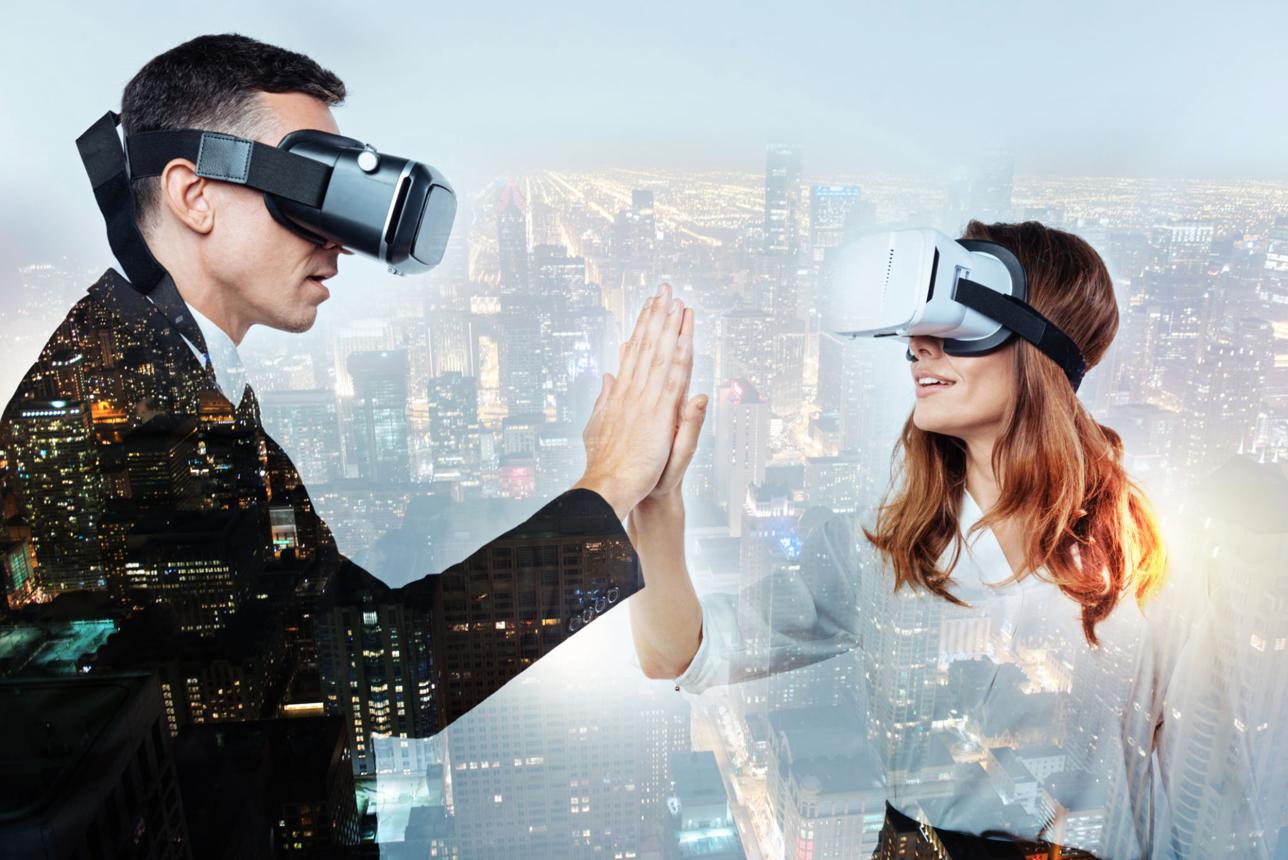
VR social platforms introduce the concept of embodied interaction. Instead of simply observing a screen, users enter a shared digital environment where they can move, gesture, and interact in real time. This shift transforms communication from something you watch into something you participate in.
Key elements that define VR social spaces include:
- Avatars that represent physical movement and gestures
- Spatial audio that mimics real-world conversation dynamics
- Shared environments that create a sense of place
- Interactive objects and collaborative tools
These features combine to create a stronger sense of presence—the feeling of actually being somewhere with others, rather than just communicating remotely.
How VR Is Changing Everyday Social Experiences
One of the most immediate impacts of VR is in how people socialize across distance. Instead of relying on scheduled calls, users can meet in virtual environments that feel dynamic and interactive. Friends can explore digital spaces together, attend events, or simply spend time in shared settings that feel more engaging than traditional communication tools.
In practical terms, this allows for:
- More natural and spontaneous interaction
- Shared experiences that go beyond conversation
- Stronger emotional engagement through immersive environments
These changes are particularly meaningful for long-distance relationships and global communities.
Remote Work That Feels More Human
VR is also beginning to influence how teams collaborate. Traditional remote work tools often feel transactional—focused on efficiency rather than connection. VR environments introduce spatial collaboration, where teams can interact with digital objects, brainstorm in shared spaces, and communicate more fluidly.
For example, teams can gather around virtual whiteboards, walk through 3D prototypes, or hold informal discussions that mimic in-person office interactions. This approach can improve creativity and reduce the fatigue associated with static video calls.
Mental Health and Social Comfort
Another emerging use case for VR social spaces is mental health support. Immersive environments can provide a sense of safety and control, making it easier for individuals to engage in social interaction. For people with social anxiety, avatars create a layer of comfort that lowers the barrier to participation.
VR is also being explored in therapeutic settings, where controlled environments can help individuals practice social skills, manage stress, or engage in guided experiences. While still developing, these applications highlight VR’s potential as a supportive tool rather than just a social platform.
The Psychology of Presence
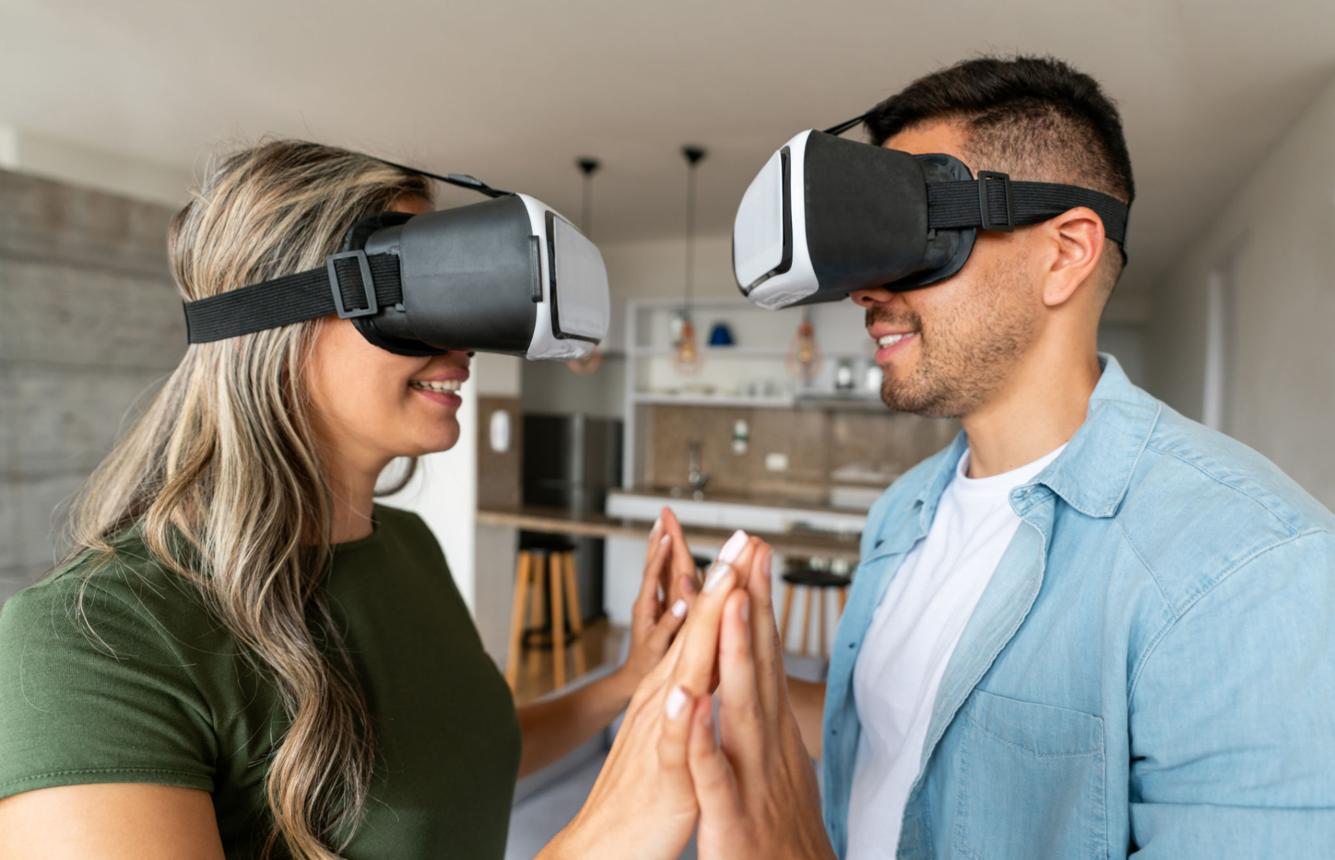
At the core of VR’s impact is the concept of presence. When users feel physically situated in an environment, their emotional and cognitive responses become more aligned with real-world interaction. This makes conversations feel more engaging and experiences more memorable.
Presence explains why VR interactions often feel more meaningful than traditional digital communication. It shifts the focus from exchanging information to sharing experiences, which is a fundamental aspect of human connection.
Barriers to Adoption
Despite its promise, VR still faces several challenges that limit widespread adoption. Hardware accessibility remains a concern, as high-quality headsets require investment and ongoing improvements in comfort and usability.
Additionally, the learning curve associated with navigating virtual environments can be a barrier for new users. Social norms are also still evolving, which can make interactions feel unfamiliar or inconsistent.
Privacy and safety concerns further highlight the need for thoughtful platform design and user education as the technology continues to grow.
Are VR Connections Real?
A common question surrounding VR social spaces is whether the connections formed within them are genuine. In reality, the quality of a connection depends on the depth of interaction rather than the medium itself.
VR enhances key elements of meaningful relationships—shared experiences, emotional engagement, and consistent communication. While it does not replace physical interaction, it provides a compelling alternative when in-person connection is not possible.
Where VR Social Spaces Are Headed
Looking ahead, VR social platforms are expected to become more refined and accessible. Advances in hardware, including lighter devices and improved graphics, will likely make the experience more comfortable and realistic.
At the same time, developments in avatar technology, mixed reality, and cross-platform integration will expand how users interact across digital and physical environments. These changes suggest that VR will continue to evolve as a complementary layer of communication rather than a standalone replacement.
Conclusion
Virtual reality social spaces represent a meaningful shift in how people connect in a digital world. By moving beyond flat screens and enabling immersive interaction, VR introduces a new dimension of communication centered on presence and shared experience. While challenges remain, its growing role in social, professional, and therapeutic contexts highlights its potential to expand—not replace—the ways humans build and maintain relationships.
FAQs
More Articles

The Role of AI in Enhancing Accessibility for People with Disabilities
5 min read | 08 May 2026

AI in Human Resources: Streamlining Recruitment and Employee Management
5 min read | 07 May 2026

AI for Environmental Monitoring: Tracking and Responding to Ecological Changes
5 min read | 06 May 2026

The Challenges of AI Governance and Regulation
4 min read | 05 May 2026
More Articles

The Evolution of Mobile Technology: From 4G to 6G
7 min read | 06 Feb 2026

Tech Solutions for Accessibility: Enhancing Lives for People with Disabilities
4 min read | 05 Feb 2026
AI in Content Creation: From Writing to Visual Arts
7 min read | 04 Feb 2026

Tech Innovations in Supply Chain Management
5 min read | 03 Feb 2026